Best Lemon Vibrator for Sensitive Skin and Allergy Concerns
Let's be real. You wouldn't put cheap lotion on your face. You wouldn't ignore a rash on your neck. But somehow, when it comes to what goes near your vulva, the material suddenly doesn't matter as much. Except it does. Wildly.
If you've ever had a reaction to a lemon vibrator, a lemon sexual toy, or any adult toy, you're not overreacting. Your skin is telling you something. And your skin is right.
Why material actually matters for lemon vibrators
Here's the thing about body-safe claims. Not all silicone is created equal, and not all companies are honest about what "medical grade" actually means.
The vulva is one of the most permeable, absorbent surfaces on your body. It has thinner skin than your arms, way more nerve endings, and a delicate pH balance that doesn't appreciate surprises. When you introduce a lemon clitoral vibrator made from low-quality silicone or blended materials, what you're really doing is running a chemistry experiment. And you're the lab rat.
When manufacturers cut corners, they add fillers, plasticizers, and phthalates. These are softening agents that make cheap silicone stretchy and flexible. They're also endocrine disruptors. They can trigger contact dermatitis, allergic reactions, and bacterial imbalances that show up as itching, redness, or discharge.
The sad part? A skin reaction can take 24 to 72 hours to appear. So you might not connect it to the toy. You'll just assume you're dealing with a yeast infection and move on. Then you use the same toy again. And the cycle continues.
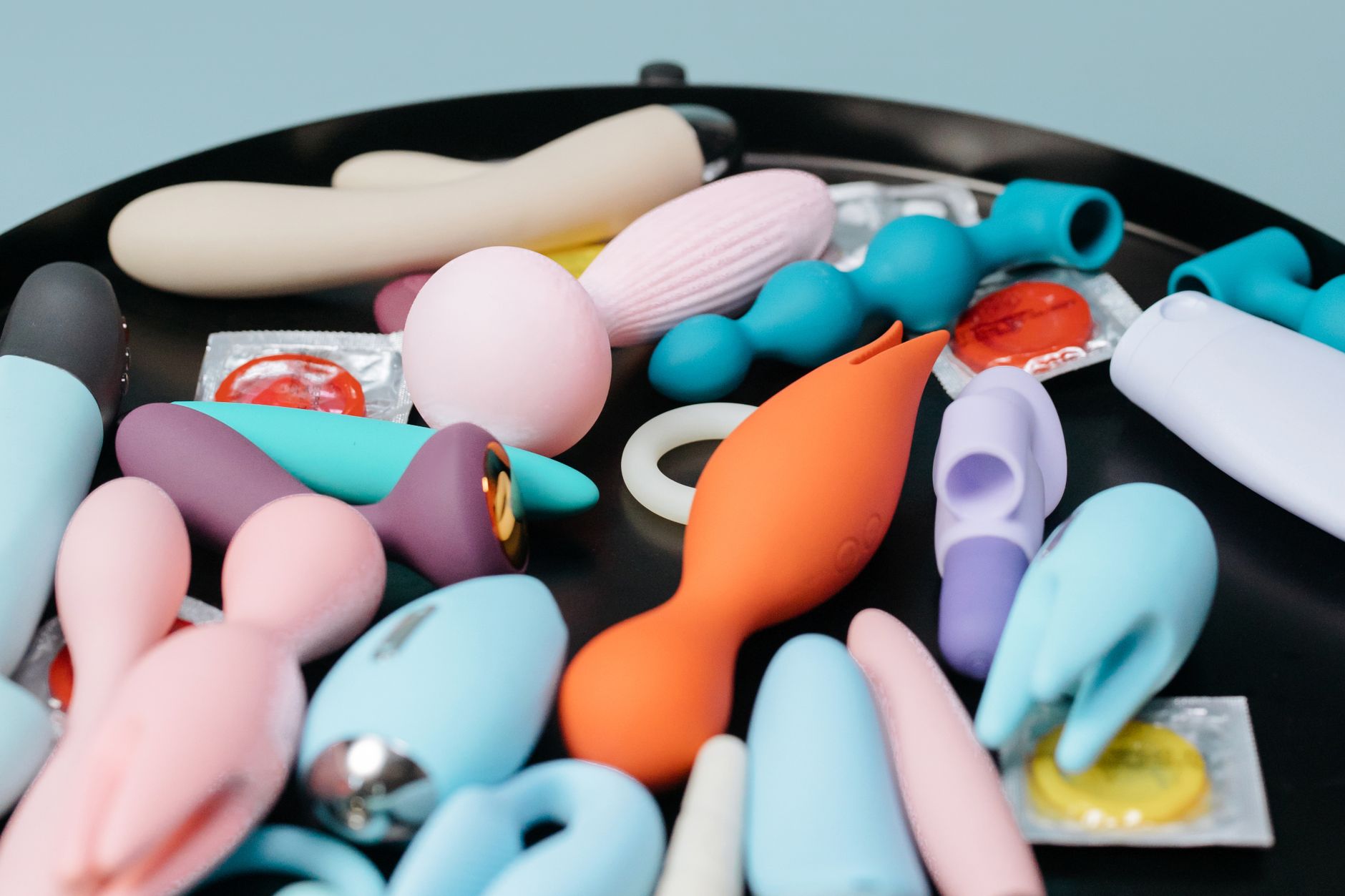
Photo by cottonbro studio on Pexels
What "body-safe" really means
Body-safe isn't a legal term. There's no agency policing it. Any manufacturer can slap it on a product. So what should you actually look for?
Platinum-cure silicone. This is the gold standard. It's made through a different manufacturing process than cheaper silicone, and it doesn't leach chemicals. It's non-porous, non-toxic, and hypoallergenic. It's also what Hello Nancy uses for lemon vibrators like the Lem.
Medical-grade designation. This actually means something. Medical-grade silicone meets FDA standards for implants. It's been tested for biocompatibility. If a brand can't tell you whether their silicone is medical-grade, they probably don't know either.
No phthalates, BPA, or latex. These should be zero. Not "minimized." Zero. If the product page doesn't explicitly state this, ask before you buy.
Audited sourcing. Real body-safe brands know where their silicone comes from. They work with suppliers who test batches. They'll tell you this if you ask. If they can't? Red flag.
The difference between body-safe platinum-cure silicone and cheap silicone is about 15 to 30 percent in manufacturing cost. That difference usually shows up in the retail price. A quality lemon vibrator will cost more than a knockoff. Your skin will thank you.
Recognizing a genuine allergic reaction
Not every bit of irritation is an allergy. Friction can cause redness. Overuse can chafe. But a true allergic reaction to toy material looks specific.
You might see a localized rash that mirrors the shape of the toy. You might get itching that starts during use and gets worse over hours. Some people develop hives. Others report a burning sensation that doesn't go away with water or lube.
The key detail: the reaction improves fast once you stop using the toy. Within 24 hours, usually. If it lingers or gets worse, that's not a toy problem. That's a doctor problem.
If you think you're allergic, here's the test: clean the toy thoroughly with soap and warm water, let it dry completely, then touch it to the inside of your arm (not your vulva) and leave it for ten minutes. If you get a rash or significant redness, you've got your answer. Switch toys and don't look back.
Other materials to consider (and avoid)
Silicone isn't your only option, though it's the safest for lemon clitoral vibrators and lemon sexual toys.
Glass and stainless steel. Both are excellent. Non-porous, temperature-play friendly, and impossible to be allergic to. The downside: they're heavier, they conduct temperature quickly, and some people find them uncomfortable for suction-based toys like a lemon sucker design.
TPE and rubber. Avoid. These are porous. They harbor bacteria. They often contain phthalates. If a toy is labeled TPE, that's your cue to keep scrolling.
PVC and jelly plastic. Absolutely avoid. These are cheap, they smell, they degrade quickly, and they're packed with chemicals. Some early lemon sexual toys used this material. Don't buy them.
Aluminum or hard plastic frames with silicone attachments. This is fine if the silicone is platinum-cure. Just make sure any metal parts are anodized (sealed) so they don't oxidize against your skin.
Texture and sensitivity
Some people with sensitive skin do better with smooth silicone. Others tolerate textured silicone fine. If you're new to toys, start smooth. You can always upgrade to textured later.
One note on textured lemon vibrators: if the texture is glued on (not molded as part of the silicone), it can peel and shed. That's a sign the toy is cheap. Skip it.
Cleaning and maintenance for sensitive skin
You can have the most expensive, body-safe lemon clitoral vibrator on the market, but if you don't clean it properly, you're introducing bacteria and old lube residue to your skin. That's an infection waiting to happen.
After each use, wash with warm soapy water and dry completely. For deeper cleaning, boil it for five minutes (silicone handles heat fine). Store it in a clean cloth bag or case, not in a sealed container where moisture gets trapped.
If you use lubrication, make sure it's also body-safe. Silicone lube can degrade silicone toys, so stick with water-based lube for a lemon sucker or other silicone lemon vibrator. It's the safest pairing.
When to get professional help
If you're experiencing persistent vaginal irritation, burning, or discharge that doesn't improve after switching toys and maintaining good hygiene, see a gynecologist. It might not be the toy at all. It could be an unrelated infection, a sensitivity to your partner's skin microbiome, or a hormone imbalance.
A good provider will ask about your toys without judgment. If they don't, find a new provider. Your sexual health matters as much as any other health metric.
Building your collection with care
Once you find a brand and material that works for your skin, you don't have to experiment endlessly. You can explore different shapes and sensations knowing the material is safe. That's when toys actually become fun instead of a source of anxiety.
If you're starting from scratch, how to choose a lemon vibrator if you're new to suction toys walks through the basics. And if you want to understand how lemon vibrators differ from traditional vibrators, why lemon vibrators feel different than traditional vibrators explains the sensation side.
Your skin is part of your pleasure. Treating it that way isn't precious. It's basic care.
People also ask
What does body-safe silicone mean, and is all silicone body-safe?
Body-safe silicone is non-porous and non-toxic, made without phthalates or leaching chemicals. Not all silicone is body-safe. Cheap silicone often contains fillers and plasticizers that trigger allergic reactions or irritation. Platinum-cure medical-grade silicone is the standard for body-safe toys. Brands should be able to tell you the specific type and sourcing of their silicone. If they can't, assume it's not body-safe.
Can you be allergic to silicone?
True silicone allergies are extremely rare because silicone is a nonreactive polymer. What's common is an allergic reaction to the additives in cheap silicone. Phthalates, plasticizers, and fillers trigger contact dermatitis and itching. A reaction to a platinum-cure medical-grade silicone toy is so uncommon it's worth investigating other causes. If you tested clean silicone on your arm and got a rash, you might have a genuine allergy. In that case, look into glass or stainless steel alternatives for lemon vibrators and lemon clitoral vibrators.
How do I know if my lemon vibrator is actually body-safe?
Ask the brand directly. A trustworthy company will tell you the silicone type, whether it's medical-grade, and any certifications. They'll list what's NOT in the toy: no phthalates, no BPA, no latex. They'll have testing documentation available. If you get vague answers, assume the toy isn't actually body-safe and look elsewhere.
What should I do if I have a reaction to my lemon sexual toy?
Stop using it immediately. Wash the area with cool water (no soap; it disrupts pH). If irritation appears, avoid the toy and let your skin recover for 24 to 48 hours. If the reaction is severe, spreads, or doesn't improve, see a gynecologist. To identify the culprit, test the toy on your arm first. If you get a localized rash, the material is the problem and you need a different toy.
Is there a difference between water-based and silicone lube for sensitive skin?
Yes. Water-based lube is safer for sensitive skin because it doesn't contain silicon or oil. It's easy to wash off and breaks down naturally on your body. Silicone lube lasts longer but can degrade silicone toys and sometimes irritates sensitive vulvas. Stick with water-based if your skin is reactive, especially when using lemon vibrators or other silicone toys.
How often should I clean a lemon clitoral vibrator if I have sensitive skin?
After every use. Bacteria and old lube can build up and trigger infections. Wash with warm soapy water and dry completely. Store in a clean, breathable container. For a deeper clean once a week, boil it for five minutes. This routine prevents buildup and keeps your toy safe for your skin long-term.
Your body deserves toys that respect it. If you're ready to explore with confidence, contact Hello Nancy with any questions about material sourcing or recommendations for sensitive skin.