
How to Rebuild Arousal After Burnout With Lemon Vibrators
The burnout-desire connection is real
Let's be honest: burnout doesn't just steal your energy. It hijacks your entire nervous system. When you're running on fumes at work, managing a household, or carrying emotional weight, arousal isn't just low. It often flatlines. Your body goes into survival mode, and desire becomes a luxury it can't afford.
Here's what I see in my practice over and over. People come in saying they don't feel turned on anymore, haven't in months, and wonder if something's wrong with them. Nothing's wrong. Their nervous system is stuck in threat mode. Once we name that, the pathway forward becomes clear.
The good news? Your capacity for arousal didn't disappear. It's dormant. And there's a specific, gentle way to wake it back up using clitoral vibrators like the lemon vibrator as a tool for nervous system reset, not just orgasm.
Why burnout kills arousal faster than anything else
Burnout is a chronic stress state. Your cortisol stays elevated. Your vagus nerve (the main line of your parasympathetic nervous system) gets stuck in a defensive crouch. Arousal requires the exact opposite state: rest, safety, parasympathetic activation.
Think of it like this. When you're in fight-or-flight, your body diverts blood and resources toward survival. Sex isn't survival. So your genitals deprioritize. Lubrication drops. Sensation dulls. Your brain, meanwhile, stays locked on emails, deadlines, problems unsolved. Fantasies feel impossible when your attention is fractal and depleted.
Add in the fact that many burned-out people are also touched out. If you've spent the day managing others, being needed, your body can't switch gears into receptive pleasure. Touch feels like one more demand, not relief.
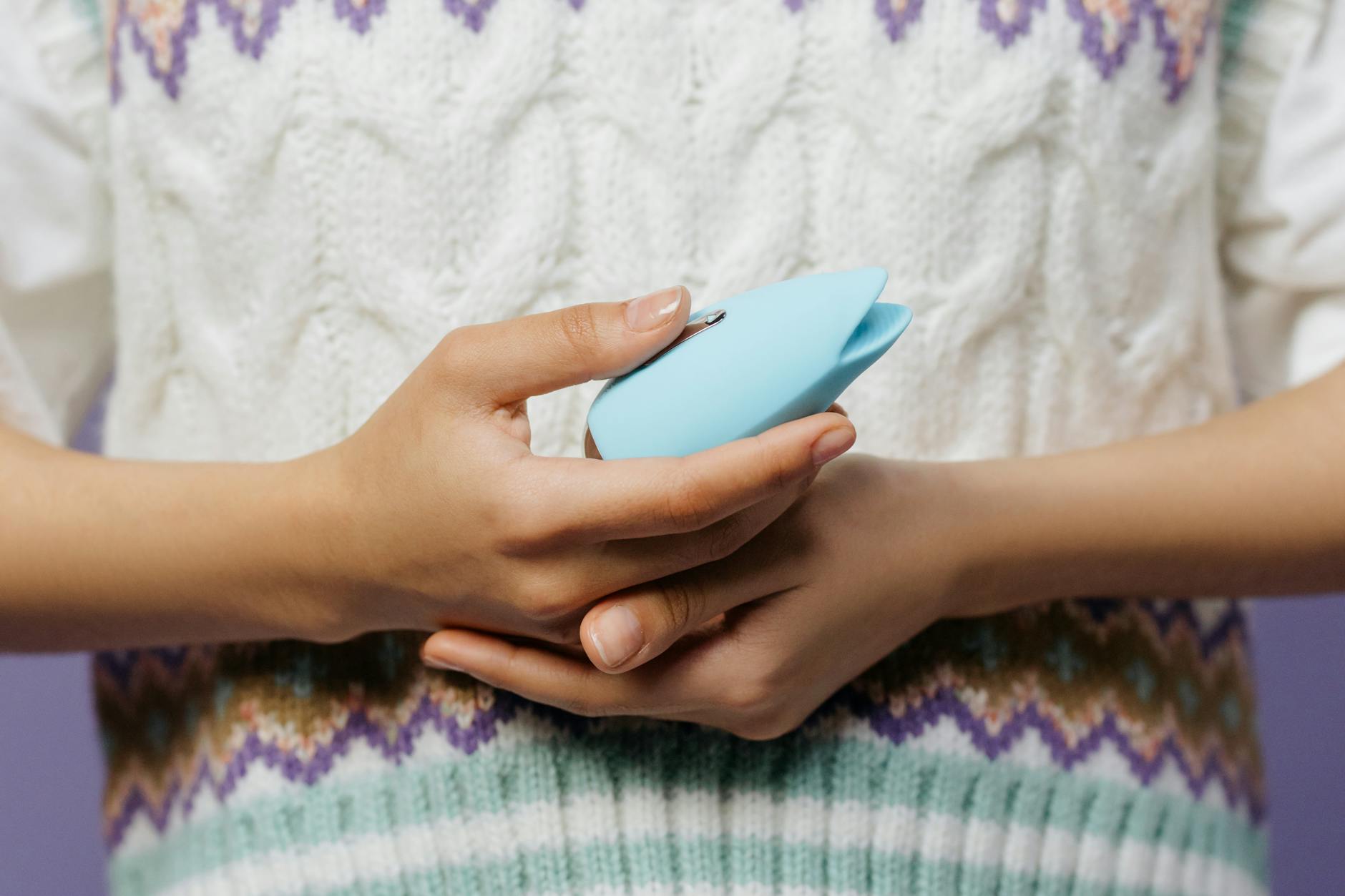
Photo by cottonbro studio on Pexels
The rewiring strategy: slow reintroduction
You don't jump back into desire by forcing arousal. You rebuild it by training your nervous system to recognize safety and pleasure as possible again.
Start with what I call the "low-stakes touch protocol." This means using a lemon clitoral vibrator in a non-goal-oriented way. Not to reach orgasm. Not to perform. But to remind your body what sensation feels like without pressure.
Set aside 10 to 15 minutes when you're genuinely alone and not exhausted. This matters. If you're about to collapse, wait. Burnout rewiring requires a nervous system that's at least slightly available. Lie down. No phones, no performance targets. Just you and the vibrator.
Start with the Lem vibrator on the lowest pattern. Place it gently on your outer labia or the side of your clitoris, not directly on it. The point isn't pleasure yet. It's sensation awareness. Notice what you feel. Notice if your mind drifts. That's fine. Your job is to stay curious, not to achieve anything.
The three-week reactivation cycle
Weeks one and two: ultra-low intensity work. Five minutes maximum on the lowest lemon sucker setting. No goal. No timer pressure. When your mind tells you "this should feel better" or "I should be more turned on," that's burnout talking. Thank it and redirect attention to the actual sensation.
Week three: if you've built tolerance and your body starts asking for more, try a slightly higher pattern. Stay on your external clitoris. Extended time under a lemon vibrator when you're freshly burned out can create overstimulation rather than pleasure, so pacing matters.
By week four, many people notice something shifts. Not a surge of desire. But a little flicker. The ability to feel something other than depletion. That's the goal. You're not chasing extreme pleasure yet. You're teaching your nervous system that pleasure is accessible again.
How lemon vibrators specifically help with burnout recovery
The suction and pattern-based stimulation of lemon clitoral vibrators offers something important for burned-out people: low-friction sensation. You don't have to work for it. You don't have to coordinate with a partner. You don't have to generate the thing yourself.
That low barrier to entry matters when your executive function is shot. Picking up a traditional vibrator, fumbling with settings, building momentum. Some days that's too much cognitive load. A lemon vibrator is intuitive. It feels good without effort. For someone rebuilding after burnout, that softness is essential.
The rhythmic suction also has a mild vagal toning effect. It's not meditation, but it's similar. Your nervous system gets exposed to a safe, repetitive, pleasurable sensation. Over time, your body begins to recognize that cycles of stress and recovery are possible.
The partner conversation (if there is one)
If you're in a relationship, the burnout-arousal crash often shows up as a gap between your desire and your partner's. They might feel rejected. You might feel pressured. That friction makes everything worse.
Here's what I recommend. Tell them directly: "My arousal is offline right now because my nervous system is stuck in survival mode. This isn't about you or us. I'm going to spend some time reconnecting with my own sensation using tools that work for me. I'm rebuilding, not checking out." Specificity defuses shame on both sides.
Then invite them into the recovery if you want to. Not right away. Once you've spent three to four weeks rewiring alone, you might notice that you can access a little bit of sensation independently. At that point, having a partner present while you use a lemon vibrator can help rebuild shared intimacy without the pressure of performance.
When to know you're shifting
You're genuinely reconnecting when three things start happening together. First, you notice sensation without having to think about it so hard. Second, you can use a clitoral vibrator and feel something other than "going through the motions." Third, spontaneous arousal starts appearing. Not flooding back. But little moments where you think about touch and feel a flicker.
This timeline is individual. Some people see shifts in four weeks. Others need eight to twelve. Burnout isn't surface-level exhaustion. It's nervous system dysregulation. Rewiring takes time.
What not to do while rebuilding
Don't force a schedule. "I'll use my lemon vibrator three times a week" backfires if you're burned out. That becomes another obligation. Instead, touch when you feel the smallest available opening, not when duty says you should.
Don't expect fireworks. If you've been flattened by stress, excitement and intensity might actually feel uncomfortable at first. Your body might need to graduate through calm, then neutral, then mildly pleasant, before it can access intense. That's normal and it's not broken.
Don't skip the nervous system recovery work outside of pleasure sessions. The vibrator is one tool, but your arousal also needs you to address the burnout itself. Sleep matters. Boundaries matter. Stress reduction matters. A lemon clitoral vibrator can't fix burnout. But combined with actual recovery, it can help rewire the arousal circuitry while you're healing.
FAQ: Rebuilding arousal after burnout
How long does it typically take to feel arousal returning after burnout?
Most people notice the first shifts within four to six weeks of consistent but gentle reconnection work. Some see changes faster if they're simultaneously addressing the burnout drivers. Others need two to three months. Your nervous system doesn't rush, and neither should you. Burnout rewiring isn't a sprint.
Can I use a lemon vibrator if I feel completely numb down there?
Absolutely. Numbness is often a trauma or burnout response. Starting with the lowest setting on a lemon clitoral vibrator gives your nervous system permission to wake up that area without overwhelming it. The key is patience and no performance pressure. Some people feel tingling come back before anything feels pleasurable. That's progress.
Should I tell my partner I'm using vibrators to rebuild arousal?
If you're in a committed relationship, directness helps. You don't need to give a play-by-play, but something like "I'm working on reconnecting with my own sensation" opens the door instead of creating mystery. If your partner feels hurt or rejected, that's a separate conversation worth having together, ideally with a therapist.
Does using a lemon vibrator during burnout recovery make real arousal harder later?
No. In fact, retraining your body to recognize sensation through a lemon sucker often makes real-world arousal easier. You're teaching your nervous system "pleasure is possible." That signal transfers to all forms of touch. The opposite risk is true: staying numb too long can make reconnection harder.
What if I feel guilty using a vibrator when I'm burned out?
That guilt is worth naming directly. Many burned-out people feel they don't "deserve" pleasure when things aren't done or fixed. That's the burnout talking, not truth. Pleasure and rest are not luxuries. They're nervous system tools. Using a lemon clitoral vibrator is actually recovery work, not indulgence.
Can I rebuild arousal without a vibrator?
Yes, but it takes longer and requires more active nervous system work. Vibrators are efficient tools because they create sensation without you having to generate the arousal yourself. When you're depleted, that efficiency matters. That said, if you prefer solo touch or partnered touch, the same rewiring principles apply: start low pressure, rebuild gradually, prioritize nervous system safety over outcomes.
The path back through touch
Burnout doesn't erase your capacity for pleasure. It buries it. Reconnecting with clitoral vibrators like a lemon vibrator isn't about chasing orgasm or proving you're fixed. It's about gently signaling to your nervous system that safety and sensation are available again. That you're not in crisis mode anymore. That pleasure is part of recovery, not something to earn later.
Start small. Show up consistently without pressure. Notice what shifts. Your arousal will find its way back. It always does.