Let's start with what's true
Taking a break from pleasure doesn't break you. Whether that break was intentional, circumstantial, or wrapped up in grief, burnout, or life getting in the way, your body hasn't forgotten how to respond. What it has done is gotten quieter. Your nervous system has recalibrated around the absence.
Rebonding with sensation after a long pause isn't about forcing your body back to where it was. It's about meeting yourself where you are right now, with the actual nervous system in front of you, not the one from memory.
Why sensation feels muted at first
When you step away from pleasure for weeks or months, three things happen physiologically. First, the neural pathways that light up during arousal get less traffic. They don't disappear. They just become less responsive until you start using them again. Second, your baseline for what feels stimulating shifts. What used to register as intense might feel subtle now. Third, your nervous system has likely spent that time in a different state. It might be in freeze mode, or scanning for threat, or just operating in a lower gear. Swinging back to pleasure requires signaling to your whole system that it's safe to do that.
This is why jumping back in at full intensity usually backfires. The sensation feels overwhelming or numb, both of which confirm the fear that something's broken. Nothing is broken. You just need a different entry point.
Building the nervous system case for pleasure
Before you even pick up a lemon vibrator, your nervous system needs permission. That sounds abstract, but it's concrete.
Start with what I call the "touch inventory". For three to five days, notice what kinds of touch feel good on your body right now. Not sexually. Just... good. Is it warm water in the shower? A soft blanket? Someone's hand on your shoulder? The goal is to help your nervous system remember that your skin can be a source of good feeling. You're teaching it to expect pleasure as a normal state, not as something dangerous or transgressive.
Then, introduce deliberate stillness. Set aside 10 to 15 minutes with no agenda. Lie down, clothes on, no vibrator. Just your body and attention. Let your mind wander. Let your body relax. This isn't meditation, it's permission. You're signaling that it's okay for sensation to return.
When to introduce the lemon vibrator
Once you've spent a few days on the touch inventory and stillness practice, you're ready. But here's the part people miss. You're not introducing the device as a tool to make you orgasm. You're introducing it as a way to say to your body: "I'm curious about what you can feel." That shift in framing changes everything.
Start with the lemon vibrator off. Yes, really. Hold it. Feel the weight. Let your hand warm it. If you're sharing this with a partner, they can hold it too. The goal is familiarization without pressure. Your body needs to know this isn't a threat.
When you do turn it on, use pattern 1. The lowest, gentlest setting. Not on the clitoris yet. On your labia, your inner thigh, the space between. You're reintroducing sensation in the lower-arousal zone first. Spend 5 to 10 minutes here, and if nothing happens, that's the right outcome. You're not chasing anything. You're listening.

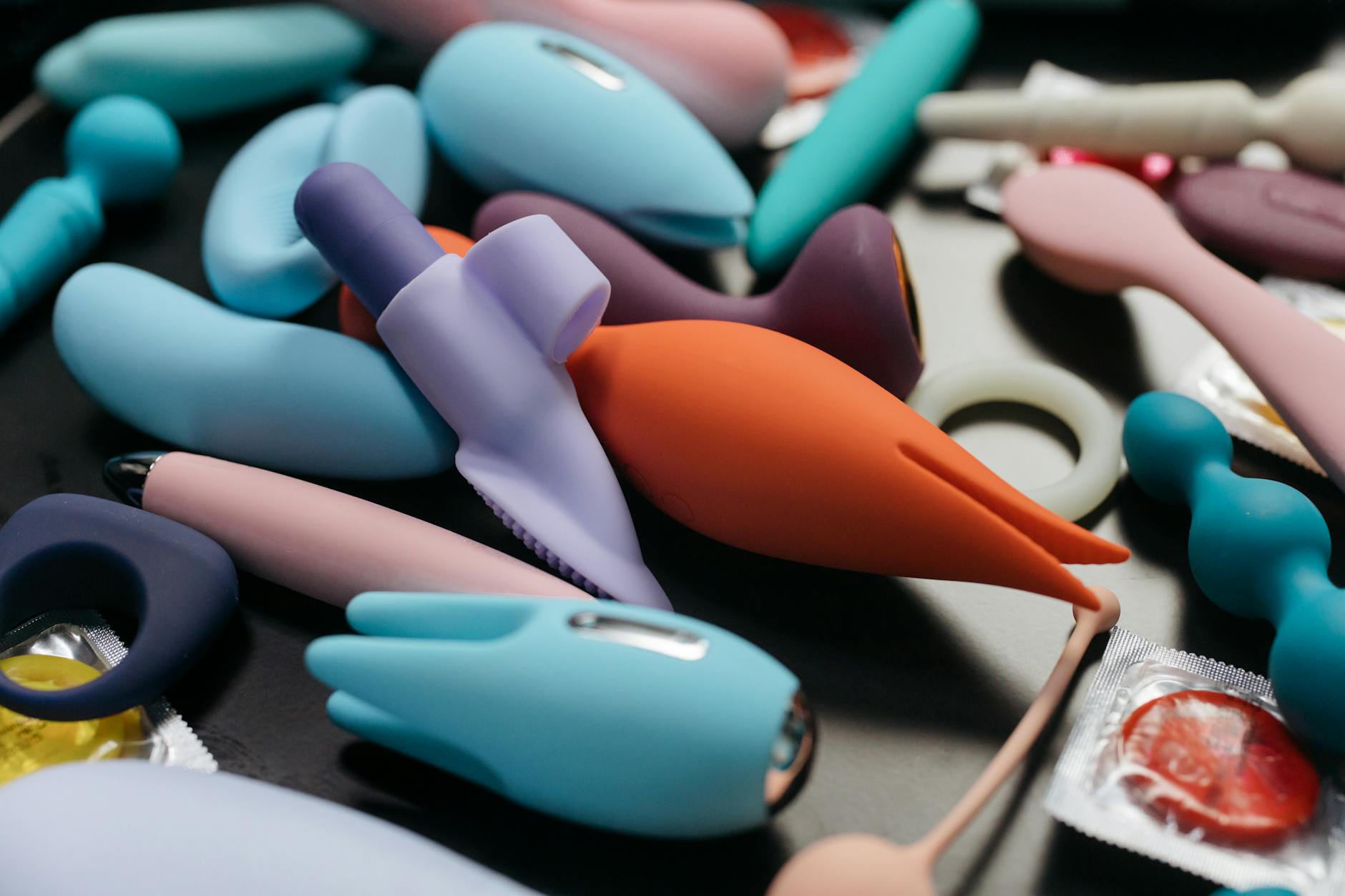
Photo by cottonbro studio on Pexels
The role of lubrication and time
After a long break, your body might not self-lubricate as readily. This isn't a sign that something's wrong. It's a sign that arousal is just taking longer to build. Water-based lubricant isn't a workaround for broken physiology. It's a signal to your nervous system that you're committed to this conversation.
Apply it generously. Not because you're ashamed of dryness, but because it reduces friction and makes the lemon vibrator feel like it's gliding rather than pressing. That distinction matters. Pressure can feel invasive to a nervous system that's been in a holding pattern. Gliding feels inviting.
Budget 20 to 30 minutes minimum, even if 10 of those are just you being still, breathing, letting your body catch up. Arousal on the rebound is like waking up after sleep. It needs time to adjust to light.
Moving toward the clitoris (when it feels right)
Once you've spent a few sessions in the lower-arousal zone, you can slowly migrate the lemon vibrator upward. Still on pattern 1. Still with lubricant. The clitoris is densely innervated, which is why it's so powerful and also why it can feel overwhelming to a nervous system that's been offline. Approaching it with gentleness isn't weakness. It's respect for what you're asking your body to do.
Many people find that the indirect approach works best after a break. Instead of direct stimulation, try applying the vibrator to the clitoral hood or the side of the clitoris. Let the sensation diffuse rather than concentrate. You can always increase intensity later, but you can't un-overwhelm your nervous system in the moment.
What to expect (and what not to judge yourself for)
Some people find that after a break, orgasms take longer to build. Some find they feel different when they arrive. Some find they're absent entirely for the first few sessions and then suddenly return. None of these outcomes mean your body is broken or that you should keep pushing.
If you feel numbness, that's often just your nervous system being cautious. Keep showing up with gentleness. Numbness usually thaws with consistency and patience, not with increased intensity.
If you feel hypersensitive instead, reduce the pattern number. You're not doing this wrong. Your nervous system is just being very honest about where it is. Listen to it.
If pleasure arrives quickly, celebrate it. You're not back to "normal". You're back to being present in your body, which is actually better than normal.
The partner conversation (if there is one)
If you're rebuilding sensation with a partner present, the most important thing is to separate two conversations that usually get tangled. One conversation is about your body and what it needs right now. The other is about what you both want from connection. They're not the same thing.
You can say: "I'm relearning what feels good. This will probably take a few weeks. I might not be interested in the pace or intensity we had before, and I need you to be patient with that." That's not a rejection of your partner. It's clarity about the process.
If your partner struggles with patience or takes the slower pace personally, that's a separate issue that might benefit from the kind of conversation outlined in our piece on how to use a lemon vibrator with partners who have different arousal speeds. The two aren't mutually exclusive.
When to reach out for support
If you've been consistent with the approach above for three to four weeks and sensation still feels completely absent or painful, there might be something else happening. Trauma, hormonal shifts, medication changes, or physical health factors can all affect your capacity for pleasure. That's not failure. That's information. A therapist or a doctor who takes sexual health seriously can help you untangle what's actually going on.
The same goes if you find yourself feeling shame or pressure around the process. Rebuilding pleasure after a break isn't a performance metric. It's an act of self-respect. If that feels hard to believe, talking to someone might help.
The timeline you actually need
Honestly, the timelines people give for "getting back to normal" are wildly optimistic. Three weeks? Sure, if you got a decent break and your nervous system is generally regulated. Three months? More realistic for most people. Six months? That's not failure. That's your body being wise about the pace it needs.
Your job isn't to force yourself back to speed. Your job is to show up with consistency and gentleness. The lemon vibrator is a tool for that conversation, not a shortcut around it. Consistency beats intensity every single time.
FAQ: Rebuilding Sensation After a Long Break
What if I feel nothing at all with the lemon vibrator after a long break?
Nothingness is often just your nervous system being cautious. You haven't lost sensation. You've got a nervous system that's protecting you by keeping arousal offline. The lemon vibrator works best as part of a bigger pattern. Touch inventory, stillness practice, then gentle reintroduction with the device on the lowest setting. If numbness persists beyond four weeks despite consistency, a healthcare provider or therapist can help you figure out whether there's something deeper going on.
How long should I wait between sessions if I'm rebuilding?
Start with twice a week. That gives your nervous system time to integrate the experience between sessions without losing momentum. As sensation returns, you can increase frequency, but rushing doesn't help. Consistency matters way more than intensity. Three 20-minute sessions a week of genuine presence beats one desperate marathon session.
Is it normal to feel emotional when pleasure comes back?
Completely. You might feel sadness, relief, grief about the time you lost, or joy all at once. Your nervous system is literally waking up. Emotions often live alongside that process. Let them move through. Crying during or after pleasure isn't a sign you're doing it wrong. It's your system processing.
Can I use the lemon vibrator with my partner while rebuilding?
Yes, but frame it differently than you might have before the break. Instead of the vibrator being the main event, it's part of the conversation. You might ask your partner to hold it while you direct the intensity. You might take turns exploring sensation together. The key is that it stays about discovery, not performance. If your partner gets impatient or pushy about speeding up the process, that's worth addressing separately.
What if I had an orgasm before but can't access one now?
Orgasms often need a runway. After a break, that runway gets longer. You're not broken. Your body just needs more time to build arousal and more patience once you're in the process. Many people find that orgasms return once they stop chasing them and start focusing on sensation instead. Try using the lemon vibrator with the sole goal of noticing what feels good. The orgasm usually follows.
Should I be using lubricant with the lemon clitoral vibrator?
Yes, especially if you're rebuilding. Your body might not self-lubricate as readily, and lubricant makes the experience feel less invasive. It's not a band-aid for broken physiology. It's an acknowledgment that your nervous system needs everything to feel smooth and inviting, not pressured. Water-based lubricant works best with silicone toys like the lemon clitoral vibrator.
Rebonding with your body after a long break is one of the most grounded acts of self-respect you can do. You're not trying to return to who you were. You're meeting who you are now, with gentleness and time. The lemon vibrator is just the tool that helps you listen.