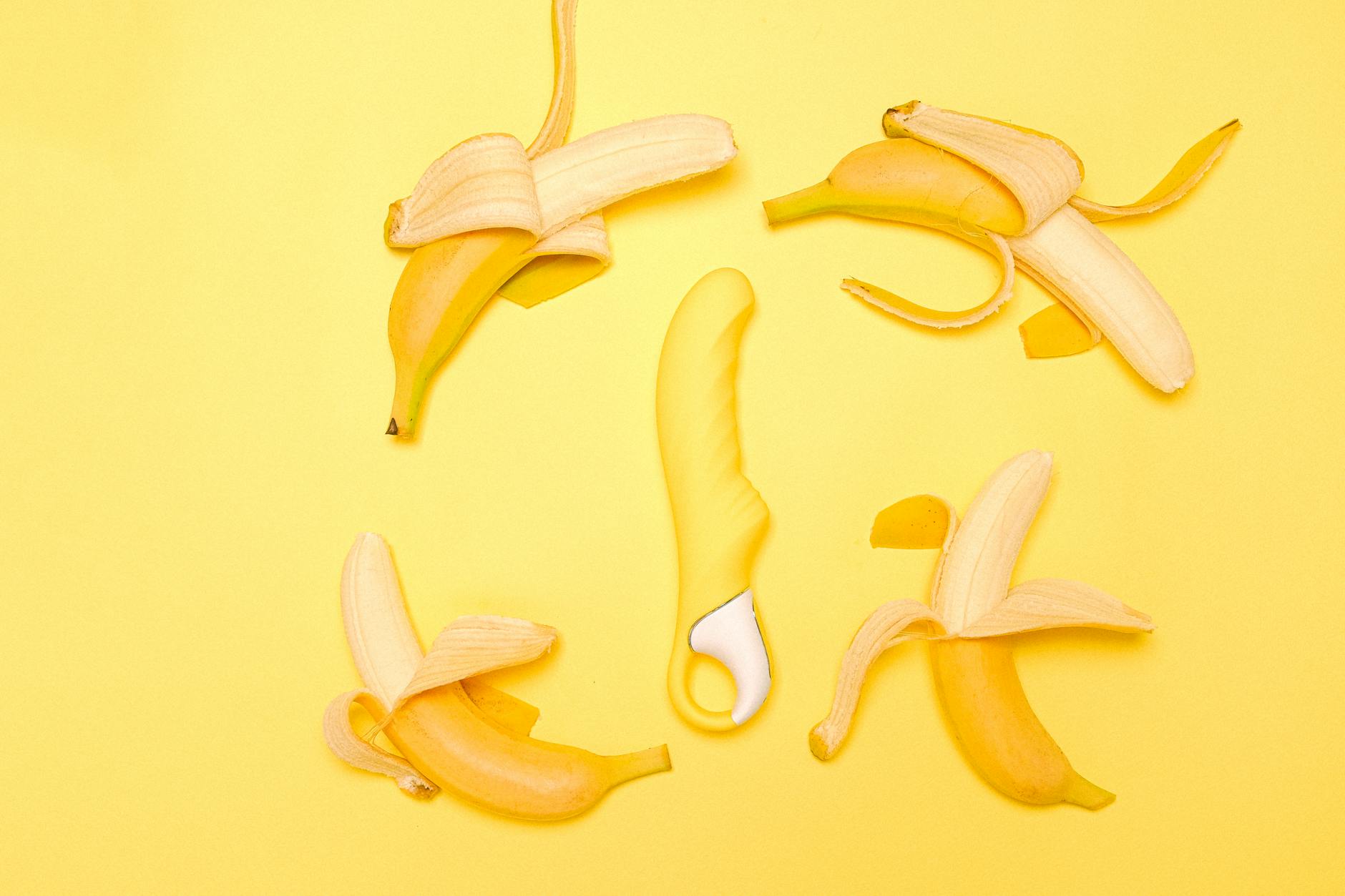
How to Use a Lemon Vibrator for Low Libido After Relationship Stress
Let's be real: when you and your partner are stuck in conflict, desire doesn't just vanish. It gets buried. Arguments, unresolved resentment, and the weight of emotional disconnection don't kill your capacity for pleasure. They muffle it. You stop feeling safe enough to drop your guard, which means your body won't respond the way it used to, even if you want it to.
A lemon clitoral vibrator can't fix the relationship tension. But it can help you reconnect with your own arousal in a low-pressure way. And that reconnection, built in isolation first, often becomes the bridge back to desire with your partner.
Here's how to use one intentionally when stress has flattened your libido.
Why relationship stress kills desire faster than anything else
When you're in conflict with a partner, your nervous system stays partially activated. You're in a mild threat state. That's what chronic stress does: it keeps you scanning for danger, even during intimate moments. Your brain is half-listening for the next fight, the next dismissal, the next moment you'll need to defend yourself.
And your body won't turn on under threat. That's not a choice. It's biology. Arousal requires parasympathetic activation (your rest-and-digest nervous system). Stress keeps you sympathetic (fight-or-flight). The two can't run simultaneously.
What's particularly difficult about relationship-stress libido loss is that it often feels personal. You blame yourself ("Why don't I want them anymore?") or your partner blames themselves ("Maybe I'm not attractive."). In reality, the issue is the conflict itself, not desire capacity. Both of you are still capable of arousal. You're just not safe enough yet.
Start alone, not with your partner
This is crucial. When libido has dropped due to relationship tension, jumping straight back into partnered sex often confirms your nervous system's suspicion that intimacy isn't safe. You'll feel pressure. Your body will tense up. Nothing happens. Both of you leave frustrated.
Instead, use a lemon vibrator solo first. Solo exploration does two things:
1. It proves to your body that arousal still lives there. You're not broken. You're not incapable. You're just defended. Solo pleasure, with no one else's needs to consider, allows your nervous system to gradually downshift from threat mode. No performance pressure. No fear of judgment.
2. It reestablishes your relationship with your own pleasure. In a stressed partnership, sex often becomes about managing your partner's needs, smoothing over tension, or trying to "fix" things through intimacy. Solo time is purely for you. That reclamation of personal pleasure is sometimes the first step toward genuine desire returning.
Use a lemon clitoral vibrator (or suction toy like the Lem) on the lowest setting. This is not about chasing orgasm. It's about re-familiarizing yourself with arousal. Spend 10-15 minutes once or twice a week simply exploring sensation without a goal. Notice what feels good. Notice what your body is capable of. Don't rush.
Create safety in your body before creating safety in the relationship
As you build solo practice, your nervous system begins to register that arousal is safe again. That's the physiological piece. But the psychological piece matters equally.
While you're using a lemon vibrator on your own, also do something separate: actually talk to your partner about the conflict. Not during sex attempts. In a neutral moment, away from the bedroom. The conversation might sound like this.
"I know things have been tense between us. And I notice my body's responding to that tension. I'm working on reconnecting with my own pleasure. This isn't about you. But I wanted you to know what I'm doing, so you understand if I need some space to rebuild that."
This honesty does something powerful. It tells your partner: "I'm not rejecting you. I'm working on myself first so that when we come back together, it's genuine." It also removes the guessing. They're not wondering if the libido drop means you don't love them or find them attractive. They know it's about nervous system regulation.
After solo practice, transition slowly to partnered touch
Once you've spent 2-3 weeks using a lemon vibrator solo and have noticed some return of arousal (even if it's mild), you can introduce partnered touch. But start very small.
Tell your partner: "I want to rebuild this together, but slowly." Start with non-sexual touch. Massage. Hand-holding. Kissing without the expectation of sex. Let your nervous system learn, incrementally, that your partner's touch is safe again.
Only after that re-regulation begins should you consider bringing the vibrator into partnered play. And even then, don't use it as a tool to "get yourself going" for your partner's sake. Use it as a shared experience. Let your partner watch. Let them understand your body's arousal process. Many couples find that this transparency and slowness actually rebuilds desire more effectively than jumping back into their old rhythm.
The role of the lemon vibrator in partnered reconnection
A lemon clitoral vibrator has particular advantages in this scenario. The suction mechanism (whether you're using a dedicated lemon sucker or the Lem) is less intimidating than traditional vibration for partners who feel rusty together. It's novel. It's not attached to years of routine. And it can be used alongside penetration or partnered touch in ways that feel collaborative rather than isolating.
If you do bring the vibrator into partnered time after the initial solo phase, frame it clearly: "I'm inviting you into my pleasure. I want you to see what makes my body come alive. And I want to share that with you."
This reframes the vibrator from a Band-Aid for low libido into a tool for genuine intimacy. Your partner gets to witness your arousal. They get to participate in rebuilding it. Both of you are doing something together that's about reconnection, not just getting off.
Patience is not passive
One thing I emphasize with couples navigating libido loss after conflict: healing isn't fast. You can use a lemon vibrator daily, but if the underlying conflict isn't being addressed through actual conversation and repair, you'll hit a ceiling.
The vibrator helps your body remember arousal. But your brain needs reassurance too. That comes from your partner showing up differently, from repair conversations, from your partner taking responsibility for their part in the conflict.
If you're using a lemon clitoral vibrator to rebuild desire but your partner is still defensive, critical, or unwilling to acknowledge their role in the tension, the vibrator alone won't work. The disconnect is too deep. That's the moment to consider couples therapy or to have a serious conversation about whether this relationship is sustainable.
But if both partners are committed to repair, a deliberate, slow approach using solo pleasure practice and lemon vibrators often works surprisingly well. The body is resilient. Desire comes back. It just needs safety first.
What to expect in the timeline
Weeks 1-2: Solo exploration with a lemon vibrator. You might feel numb. That's normal. Stress mutes sensation. Stick with it anyway.
Weeks 3-4: Arousal begins to register. Maybe not intensity, but noticeably more sensation. Your body is coming back online.
Weeks 5-6: You start feeling genuine desire during solo time. This is the sign your nervous system is downshifting. Begin partnered non-sexual touch.
Weeks 7-8: Non-sexual partnered touch feels safer. The vibrator can be introduced, either solo while your partner is present or as a shared exploration.
Weeks 9-12: Libido begins returning in a partnered context. It won't be what it was before the stress, necessarily. But it's real again.
Every couple moves through this timeline differently. The point is to not expect it to happen fast. Relationship stress doesn't break desire in a day. It won't come back in a day either.
When to bring in professional support
If you've given this approach 8-12 weeks and nothing shifts, or if your partner isn't willing to do the emotional work alongside the physical reconnection, get help. A therapist trained in couples work (I'm a Gottman Method specialist, for instance) can help you both understand what the libido loss is actually pointing to.
Sometimes low libido is the symptom. The real issue is unresolved conflict, mismatched needs, or a fundamental breach of trust that can't be repaired without professional guidance. A lemon clitoral vibrator can't address that. Only honest conversation and, often, professional mediation can.
But if the conflict is surface-level stress, communication breakdown, or just a temporary disconnection, this approach works. Your body remembers pleasure. Your brain can learn safety again. A lemon vibrator is just the tool that helps your nervous system believe it.
FAQ: Low Libido, Lemon Vibrators, and Relationship Stress
How long does it typically take for libido to return after relationship stress?
It depends on the depth of the conflict and how committed both partners are to repair. Mild stress might resolve in 4-6 weeks with consistent solo pleasure practice and partnered repair conversations. Deeper relational wounds can take 3-6 months. The timeline isn't linear. You'll have good weeks and setback weeks. A lemon vibrator helps, but the emotional work matters more.
Can using a vibrator alone actually rebuild desire, or does my partner need to be involved?
Solo practice is essential first. It tells your body it's safe to be aroused. But solo pleasure alone won't rebuild partnered desire. Your nervous system needs to learn that arousal is safe with your partner too. That requires partnered touch, repair conversations, and gradually reintroducing physical intimacy. The vibrator is a bridge, not the destination.
What if my partner feels threatened by the vibrator?
This is common after relationship stress. Your partner might interpret solo vibrator use as rejection or as a sign that they're not enough. Have the conversation explicitly. "I'm using this for me, to rebuild my relationship with my own body. It's not about you or your adequacy. It's about healing from the stress we've both been in." If your partner remains threatened or resentful, that might point to deeper insecurity that therapy could help address.
Is it normal to feel nothing during solo practice at first?
Completely normal. Stress numbs sensation. You might use a lemon vibrator for two weeks and feel almost nothing. That's not failure. That's just how trauma and prolonged stress work. Keep going anyway. Sensation returns. Your nervous system is slowly learning that arousal is safe again.
Should we have sex while I'm rebuilding libido, or should we wait?
Wait if you're feeling resistant or numb. Having sex out of obligation or to smooth over conflict will only deepen the disconnection. But don't avoid touch entirely. Non-sexual physical intimacy (massage, kissing, holding) is crucial during this phase. Sex can resume once arousal is genuinely returning, not before.
Can a lemon clitoral vibrator really help repair a relationship?
No. Only honest conversation, repair, and genuine commitment can repair a relationship. But a lemon vibrator can help rebuild the physical and sensory foundation that makes emotional reconnection possible. It's a tool, not a solution. Use it as part of a larger commitment to actually addressing the conflict.
Low libido after relationship stress isn't a personal failure. It's your nervous system doing its job: protecting you from a space that didn't feel safe. Rebuild that safety slowly, with yourself first, then with your partner. A lemon vibrator helps your body remember what pleasure feels like. But your partner's willingness to show up differently in the relationship is what teaches your nervous system it can trust again. Both matter.
If you're ready to start rebuilding, solo exploration is the first step. If you'd like to talk through what repair might look like for your specific situation, I'm here.