Here's the thing about stress and desire
Relationship tension doesn't just make you less interested in sex. It makes you less interested in pleasure itself. Your nervous system goes into protection mode. Arousal feels risky when there's conflict unresolved, and your body knows it.
I see this constantly in my practice. A couple fights about money or emotional distance or unmet needs, and suddenly sex feels impossible. Not "I'm not in the mood." More like "I genuinely don't know how to want this right now."
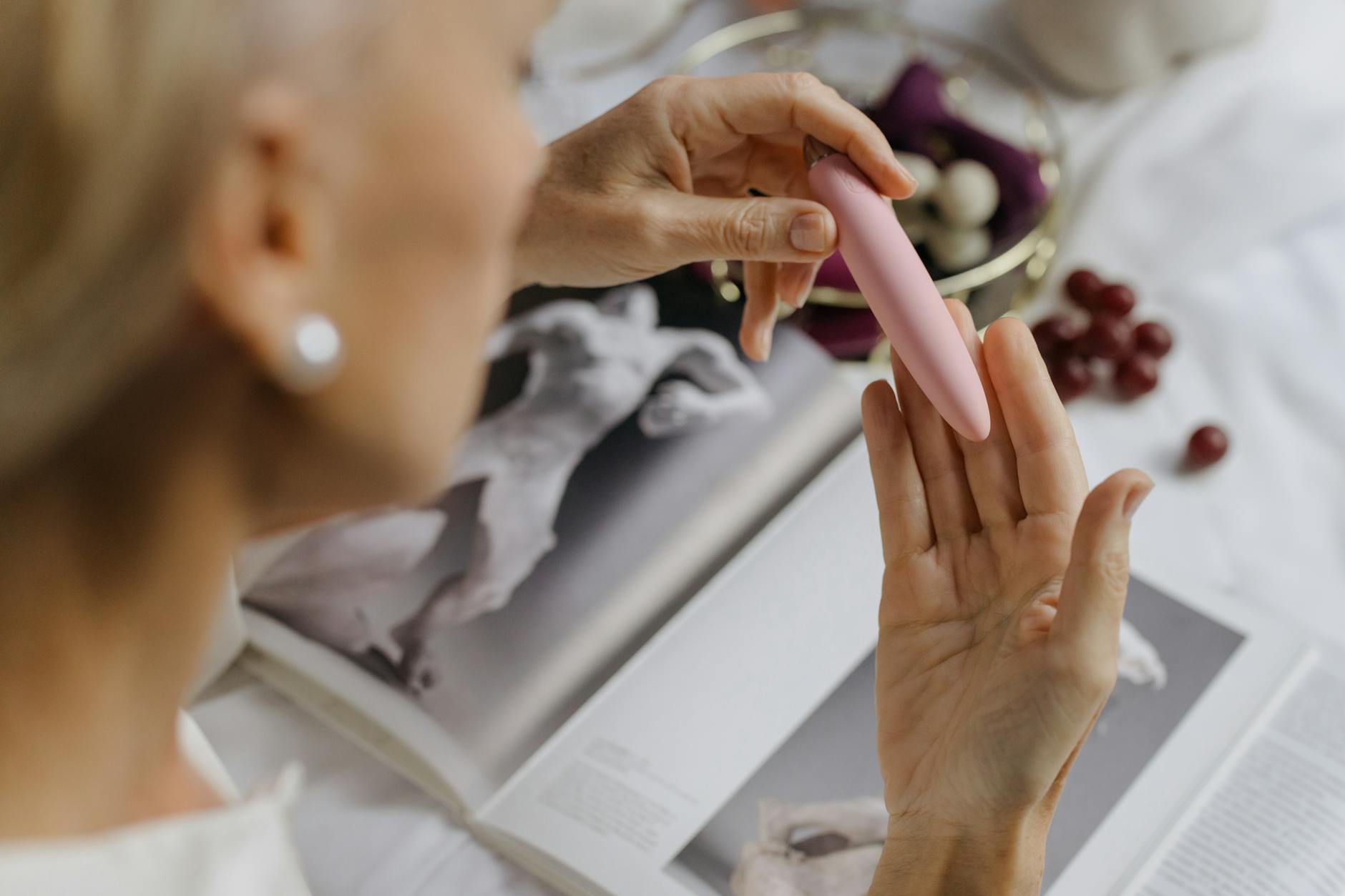
What's confusing is that the fight might resolve, but the arousal doesn't automatically return. Your body was protecting you, and it doesn't shift back into receptive mode just because the argument ended. That's where a lemon clitoral vibrator becomes genuinely useful. Not as a band-aid over the relationship issue, but as a tool to help you reconnect to your own sensation while things slowly repair.
Why stress kills arousal at the nervous system level
When there's relational tension, your parasympathetic nervous system (the part that allows pleasure) gets overridden by your sympathetic nervous system (the part that says "stay alert"). You're essentially in a low-level fight-or-flight state.
This isn't a choice or a character flaw. Your body literally cannot prioritize pleasure when it's confused about safety. Arousal requires a specific kind of trust. Even if you logically trust your partner, your nervous system might still be in protective mode.
The problem compounds: you feel guilty for not wanting sex. Your partner feels rejected. You both interpret the lack of desire as a sign the relationship is broken, when really what's happening is that your nervous system needs to downshift before desire can come back online.
A lemon clitoral vibrator helps because it's not about your partner. It's about you reclaiming your own sensation independently, on your timeline, without the weight of relational anxiety attached.
The suction sensation as a nervous system reset
Lemon vibrators use gentle suction rather than traditional vibration. This matters when you're trying to rebuild sensation after stress.
With a regular vibrator, stimulation requires you to be somewhat present and available. You have to be actively engaged. When you're numbed by stress, that can feel overwhelming.
Suction works differently. It creates a rhythmic pulse that your nervous system can settle into more passively. You don't have to perform arousal. You just have to show up and let the sensation build. Many people find this gentler entry point helps them access pleasure again when traditional stimulation feels too demanding.
Start with the lowest suction setting. Let your body remember what pleasure feels like without any pressure to reach a specific outcome.
Using a lemon clitoral vibrator while you're still in repair mode
Three things make this work during an ongoing relationship recovery.
Solo first. Don't bring the device into partnered sex yet. You're not ready, and that creates another layer of pressure. Use it alone, in your own space, to rebuild a basic relationship with your own pleasure. This usually takes a few weeks. How long depends on the depth of the tension and your own nervous system's recovery pace.
No goal. You're not working toward orgasm or "successful" arousal. You're noticing what sensation feels available. Some sessions you'll build arousal. Some you won't. Both are data. Both are progress.
Keep the relationship repair separate. If you're fighting about money or emotional distance, those conversations need to happen separately from this pleasure work. Don't try to solve relationship problems in bed. The bed is now a place to practice accessing your own sensation. That's it.
When and how to reintroduce partnered intimacy
This is where timing matters.
Most people are ready to bring partnered sex back into the picture after about 2-4 weeks of solo reconnection. But the signal isn't "I want to have sex with my partner." It's "I've felt pleasure in my own body and it doesn't feel dangerous anymore."
When you bring a lemon clitoral vibrator into partnered sex, here's what helps.
Talk about it first. "I've been using this to reconnect to my own sensation because relationship stress made that hard. I'd like to incorporate it when we're together, but not as a replacement for you. Just as part of how my body works right now." Most partners hear this as "I'm doing work to be with you," because that's what it actually is.
Use it during foreplay, not as the main event. Let your partner participate if that feels right. They might hold it while you guide the pressure and position. They might just be present while you use it. The key is that you're rebuilding trust in the space with them. You're showing your body that intimacy is safe again.
Don't expect immediate synchronized arousal. You'll probably take longer to warm up than your partner. That's normal. Use the lemon vibrator at whatever pace your body needs. Your partner can use the time differently. There's no rush.
The conversation that needs to happen (hint: it's not about the vibrator)
Here's what I tell couples in this exact situation.
The vibrator isn't the fix for the relationship problem. If you're using it because tension has killed your desire, the underlying issue is still there. A lemon clitoral vibrator can help you rebuild sensation. It cannot repair emotional distance or unresolved conflict.
So at some point, you'll need to actually have the conversation. Not during sex. Not while one person is vulnerable. An actual conversation where you both talk about what happened, what you each need, and what changes have to happen for you to feel safe with each other again.
I know that's harder than using a vibrator. But it's the real work. The vibrator is just permission to take care of your own pleasure while you do it.
When to know your desire is actually returning
You'll recognize it by a shift in texture, not intensity.
Early on, arousal might feel fragile. You'll access it with the vibrator and it'll disappear if your attention drifts or a thought intrudes. That's fine. It's still rebuilding.
As your nervous system settles, arousal will feel stickier. It'll persist even when you get distracted. You might actually think about your partner and feel desire, not just feel obligated to desire them. Your body might initiate things instead of waiting to be touched.
When that shift happens, you know you've crossed a threshold. The protective numbness is lifting. You're actually reconnecting.
That's not the end of the work. It's just the point where pleasure becomes possible again alongside the relationship repair. Both things are happening. Neither one fixes the other.
People also ask
Q: Will using a lemon vibrator alone make my partner feel threatened?
A: It depends on the relationship and the person. Some partners feel genuinely supported by the fact that you're doing solo pleasure work. Others feel more rejected if they interpret it as "my touch isn't enough." That's why the conversation matters. Frame it as "I'm rebuilding my own sensation so I can be present with you again," not "your touch doesn't work for me." Honesty plus context usually defuses the threat.
Q: How long should I wait before using a lemon clitoral vibrator with my partner after a big fight?
A: The minimum is until the fight is actually resolved, not just paused. If you're still angry or hurt, being sexual will feel like you're papering over the conflict. Wait until there's a genuine moment of reconnection. That might be a few hours or several days. Let your body be the guide, not a timeline.
Q: Can using a lemon sucker help if my partner won't address the relationship problems?
A: A vibrator can help you feel pleasure independently, which is genuinely valuable for your own health. But if your partner is actively avoiding the conversations that caused the damage, the relationship itself isn't healing. The vibrator helps you stay sane. It doesn't replace the need for actual repair conversations. At some point you'll have to decide if you're willing to stay in a relationship where the other person won't show up for that work.
Q: Is it normal to feel guilty using a device when my partner is upset with me?
A: Very normal and very unhelpful. Guilt says "I don't deserve to feel good right now." That's the story stress tells. Your pleasure doesn't cause your partner's feelings. You taking care of your own nervous system isn't a betrayal. It's actually the most direct path to being able to show up more authentically when you're together. Release the guilt. Use the lemon vibrator anyway.
Q: How do I know if relationship stress is the real reason my desire is gone, or if there's something else going on?
A: Ask yourself: when the relationship is actually good, does your desire come back? If yes, stress is the culprit. If no, there might be other factors (medication, hormones, depression, or just a shift in your sexuality). Both can be true. Relationship stress makes everything feel harder, but if your desire doesn't return even when the relationship stabilizes, that's worth exploring separately.
Q: Can a lem vibrator help if the relationship stress is ongoing and not improving?
A: It helps you stay connected to your own pleasure, which keeps you from disappearing into resentment. But sustained relationship stress that doesn't improve is a red flag that something bigger needs attention. Use the vibrator to take care of yourself. Use your therapist or a couples counselor to address whether this relationship is actually healing. Don't let the vibrator become a tool for staying in a situation that's actively harming you.
The real restoration
Relationship stress is a nervous system injury. A lemon clitoral vibrator doesn't heal the injury. What it does is give you a way to rebuild sensation while the actual healing happens through conversation, commitment, and time.
Your desire isn't broken. It's protecting you. A lem vibrator helps you slowly show your nervous system that intimacy is safe again. But that safety has to be real. It has to be reinforced by your partner actually showing up, actually listening, and actually changing the patterns that created the tension in the first place.
Use the device. Do the relationship work. Both matter. Neither one is enough alone.