Here's the thing nobody mentions when they prescribe antidepressants
Your doctor will tell you about nausea, sleep changes, maybe weight shifts. What they often won't say: "This medication might make orgasms harder to reach, slower to arrive, or feel completely flattened." It's one of the most common reasons people stop taking medication that's actually working for their mental health. The irony is brutal. You feel better emotionally. You feel nothing physically.
I work with couples all the time where one partner is on an SSRI or beta blocker and suddenly pleasure becomes this strange, distant concept. The person taking the medication isn't broken. The medication is doing exactly what it's designed to do: modulate neurochemicals. The problem is that the same neurochemicals that regulate anxiety also regulate arousal. So when you flatten one, you flatten the other.
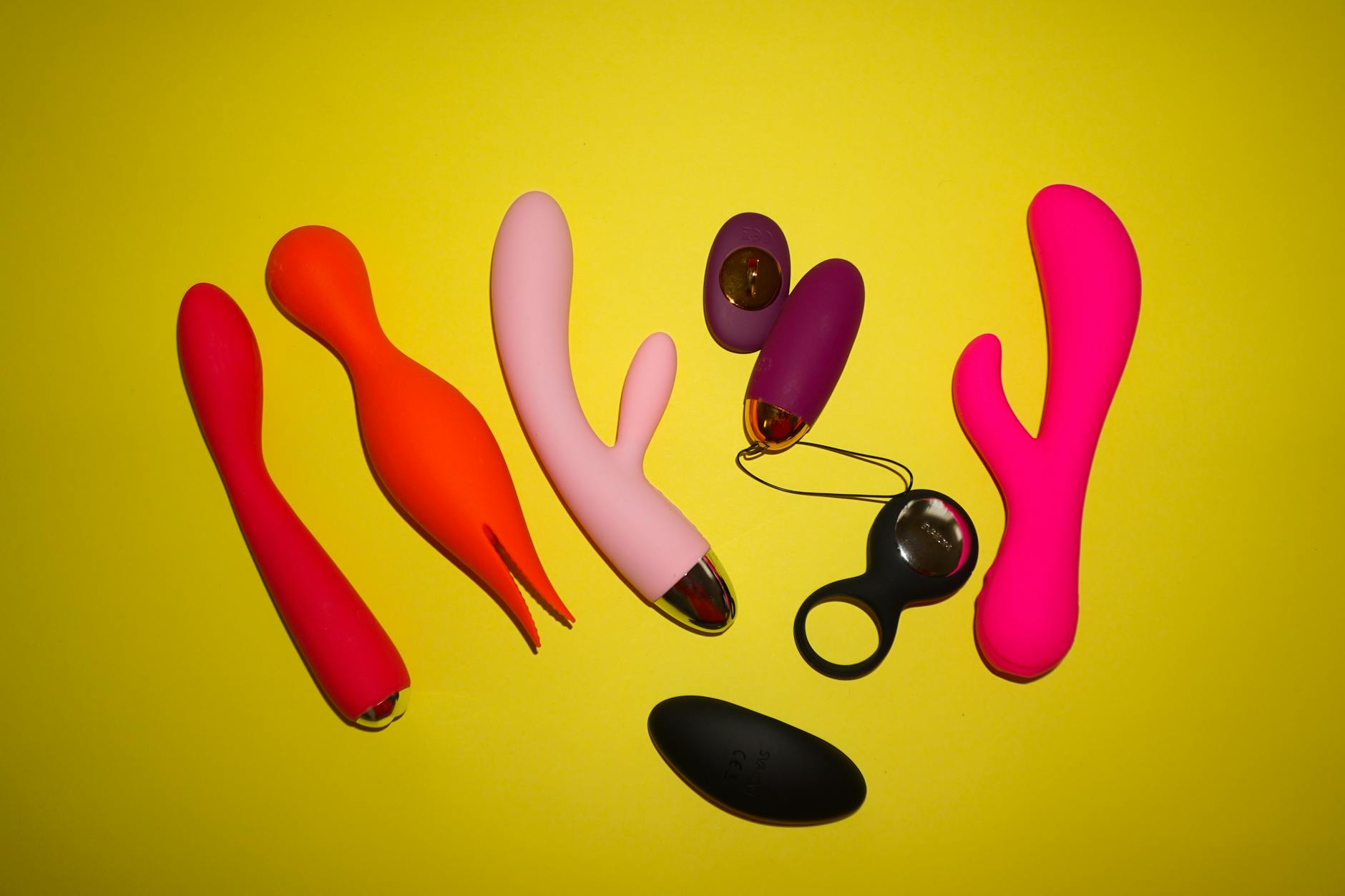
Here's what actually helps. And it's not switching medications (that's between you and your doctor). It's understanding the physiology, adjusting your approach, and sometimes using tools like lemon clitoral vibrators that work with your medication instead of against it.
How antidepressants and other meds kill arousal
The most common culprits are SSRIs (selective serotonin reuptake inhibitors like sertraline, fluoxetine, paroxetine). They work by keeping serotonin in your brain longer, which helps regulate mood. But serotonin also regulates dopamine, and dopamine is central to sexual motivation and pleasure.
Other medications do similar damage through different routes. Antihistamines dry out mucous membranes (yes, including down there). Beta blockers reduce blood flow, which means slower arousal. Antipsychotics can interfere with prolactin, a hormone that affects libido. Some birth control pills do this too.
The effect isn't random. You're not being selfish or broken. Your brain chemistry has been chemically shifted. Arousal takes longer. Orgasms feel muted or require way more stimulation. Sometimes sensation just won't build no matter how much you try.
Why standard vibrators often don't work when you're on medication
If you're already experiencing numbness or slow arousal, a basic bullet vibrator might feel like nothing. Traditional vibrators work through sustained vibration against tissue, which means they're betting on baseline sensitivity. When medication has dimmed that sensitivity, you're fighting an uphill battle.
Lemon vibrators work differently. Specifically, lemon clitoral vibrators like the Lem use air-suction technology instead of simple vibration. Here's why that matters: suction stimulates a broader nerve network across the clitoris without requiring the same intensity of direct pressure. It's like the difference between someone gently pressing a single nerve versus activating a whole network. You get more sensation feedback with less reliance on raw nerve sensitivity.
When your medication has flattened arousal, suction-based devices often feel like something's actually happening in a way that straight vibration doesn't.
The medication side effect conversation you need to have
First, talk to your prescribing doctor or pharmacist. Not because they'll automatically have a solution, but because they need to know you're experiencing this. Some people can switch to a different medication with fewer sexual side effects. Others can't, and that's real. Bupropion (Wellbutrin), for example, is less likely to cause sexual dysfunction than SSRIs, but it's not right for everyone. Buspar can sometimes be added to reduce SSRI-induced sexual side effects.
But here's what I tell my clients: don't wait for medication adjustments to start rebuilding sensation. The two things can happen at the same time.
Three specific strategies for using lemon vibrators on medication
When you're medicated and numb, stimulation intensity matters less than consistency and the right type of stimulation. I recommend three approaches:
Pattern exploration over raw intensity. If you're using a lemon vibrator, try different suction patterns rather than just cranking the strongest setting. The Lem has multiple intensity levels and patterns. Start low. Spend 10 minutes on pattern 1 or 2. Let your body remember what sensation feels like. Don't chase the orgasm. Chase the feeling.
Longer warm-up, different timing. Medication-induced numbness often means arousal takes 20 to 40 minutes instead of 5. Budget for it. Use lemon vibrators as part of extended foreplay, not as a quickie tool. Some people find that using a clitoral vibrator in the morning when they're more alert works better than evening attempts. Pay attention to your own energy and timing.
Layered stimulation. Medication flattens sensation. Multiple types of input can restore it. Use a lemon clitoral vibrator on external tissue while your partner provides other stimulation, or alternate between solo use and partnered touch. The variation helps.
When to talk to your doctor about medication switches
If you're taking an SSRI and sexual side effects are severe, ask about these options specifically. Your doctor should be willing to discuss them.
Switching to bupropion if depression is your diagnosis (it won't work for all conditions). Adding a medication like buspar or bupropion to boost arousal while staying on your current medication. Timing adjustment: taking your SSRI at night instead of morning so it's not at peak levels during times you typically have sex. Dosage reduction if your mood is stable. Switching to a different SSRI that has fewer sexual side effects (all SSRIs aren't equal).
But I'm also direct about this: your mental health medication is protecting you. If sexual side effects mean you have to choose between your stability and your pleasure, the medication wins. We work around it instead.
Making pleasure feel like something again
One of the strangest parts of medication-induced numbness is the psychological component. You stop trying because trying feels pointless. Your partner might feel rejected. You might feel broken. But you're not. You're medicated.
When you start using lemon vibrators or clitoral vibrators again after a period of numbness, the goal isn't to have a perfect orgasm. It's to notice something. Anything. A gentle pulse. A slight tingle. A moment where sensation registers. That's the reset.
Most people find that sensation gradually returns once they start engaging consistently. Your nervous system learns again. Your brain reconnects to the feedback. It takes time, but it happens.
The partner conversation
If you're using medication that's affecting your arousal and you have a partner, tell them specifically what's happening. Not "I'm not attracted to you anymore" but "My medication is making arousal harder. Here's what I'm doing about it. Here's what I need from you."
Your partner can help by understanding that you need longer warm-up time, different types of touch, or tools like lemon clitoral vibrators that work better with your current neurochemistry. Some partners find this a relief because suddenly the "problem" isn't about the relationship. It's about chemistry. And that's actually fixable.
People also ask
Can I take anything to counteract medication-induced sexual side effects?
Buspar and bupropion are sometimes added specifically to reduce SSRI-induced sexual dysfunction. Some people find that ginkgo biloba or L-arginine supplements help, though the evidence is mixed. Talk to your prescriber about what's safe to add to your specific medication. Never add supplements without checking, as some can interact with psychiatric medications.
Will my arousal come back if I stop the medication?
For most people, yes. Sexual side effects usually reverse within 2 to 6 weeks of stopping an SSRI. But stopping psychiatric medication without medical supervision is risky. If side effects are genuinely unbearable, work with your doctor on a safe plan. There are alternatives that might work better for you.
Is it normal that lemon vibrators feel better than my partner's touch when I'm on antidepressants?
Completely normal. Lemon clitoral vibrators and similar devices provide consistent, intense stimulation that can cut through medication-induced numbness more effectively than variable touch. Your partner isn't failing you. The medication is just requiring a different approach. Many couples integrate vibrators into partnered sex specifically for this reason.
What if I've been on medication for years and I can't remember what normal arousal felt like?
You're not alone. Some people stay on medication long enough that their baseline shifts. Using a lemon vibrator consistently can help your nervous system relearn sensation. It's not about chasing what you felt before. It's about building new pathways. This takes weeks or months, not days.
Should I tell my doctor I'm using a vibrator?
Yes, but only if it feels safe. Your doctor doesn't need a graphic description. You can simply say "I'm using a personal massager to help with arousal while on this medication." A good doctor will support you. A judgmental one isn't the right fit.
Can I combine medication adjustment with using a lemon vibrator for better results?
Yes. Actually, combining strategies works better than waiting for a single fix. Work with your doctor on medication optimization while also starting to rebuild sensation with consistent use of a clitoral vibrator. The two approaches support each other.
The bottom line
Medication-induced sexual dysfunction is real, it's common, and it's not your fault. What's also real is that you don't have to accept numbness as the permanent trade-off for your mental health. Lemon vibrators, clitoral vibrators designed with air-suction technology, and honest conversations with your prescriber can help you reclaim sensation.
Your arousal matters. Your pleasure matters. And there are tools and strategies that work when your brain chemistry has been shifted by medication. Start with consistency, patience, and the willingness to try a different approach. Most people find their way back.
If you're struggling with the intersection of medication and pleasure, start with a conversation with your prescriber. And if you want to talk through relationship dynamics around this, we're here.
Get in touch anytime.