The honest part nobody mentions
Antipsychotics save lives. They also flatten sensation in ways that feel deeply unfair. You're taking medication because your mental health depends on it, and the cost is often a kind of emotional and physical numbness that extends into places you didn't expect. Your pleasure responses get quieter. Touch feels more distant. Orgasms either disappear or feel like watching them happen from across a room.
This is not in your head. It's not about attraction or your relationship. It's pharmacology.
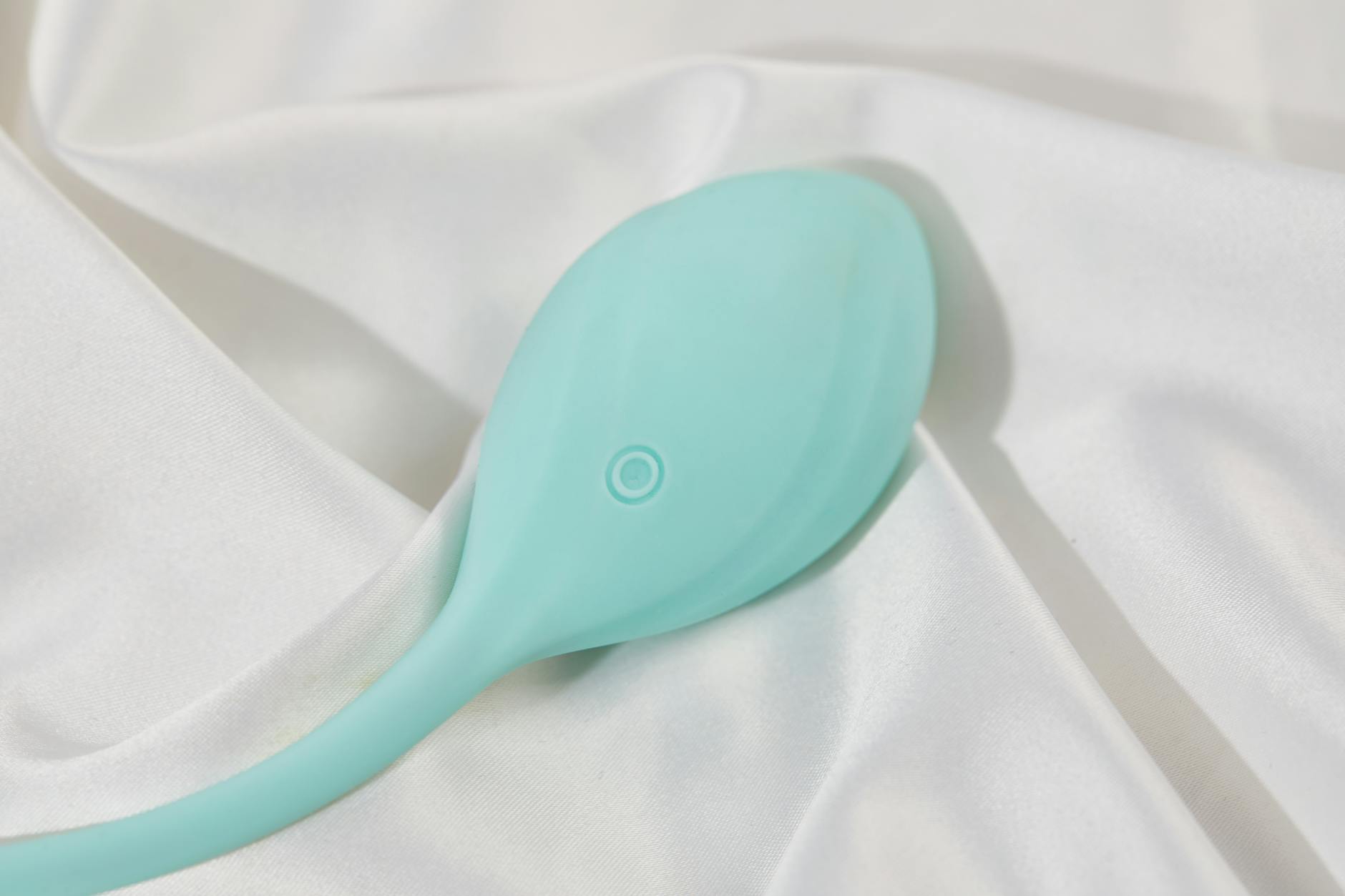
Here's what I've seen work for people navigating this specific overlap: lemon vibrators, particularly models that use suction like the Lem, tend to bypass some of the flattening effect in ways that traditional vibrators don't. Not because they're magic, but because of how they work mechanically.
Why antipsychotics specifically change pleasure sensation
Antipsychotics work by blocking dopamine. Dopamine is your brain's pleasure and motivation chemical, so the trade-off is real. Beyond dopamine, many antipsychotics also affect serotonin and can blunt the cascade of neural responses that typically happens during arousal. They slow your ability to reach excitement, compress the intensity of sensation, and sometimes make physical touch feel oddly distant even when you want it.
The flattening is often worst in the first few months, and some people do regain sensation over time as their body adjusts. But not everyone. And for many, the plateau never fully goes away.
Here's what doesn't change: your clitoral nerves are still there. Your brain's capacity for pleasure hasn't disappeared. You're not broken. You're just working against a neurochemical headwind that a regular vibrator wasn't really designed for.
How suction technology addresses medication-dulled sensation
Traditional vibrators rely on friction and speed to stimulate. When sensation is already muted, faster vibrations often don't help. You end up chasing intensity that won't arrive, which is frustrating and exhausting.
Lemon clitoral vibrators use air-pulse or suction technology instead. Rather than vibrating against tissue, they create rhythmic suction patterns that stimulate the entire clitoral structure, not just the surface. Think of it as engaging a broader neural network. The sensation travels deeper, activates more nerve endings at once, and often registers as more intense even when baseline sensation is suppressed.
I've had many clients report that when traditional vibrators feel like nothing at all, a lemon sucker actually cuts through that numbness. Not always fully, but enough to make pleasure feel possible again.
Starting with the right settings and rhythm
If you're using a lemon vibrator (like Hello Nancy's Lem) for the first time after starting antipsychotics, don't jump to high intensity. You'll want to experiment with patterns and duration instead.
Start with the lowest suction setting and spend 2-3 minutes just learning how it feels. Your body might take longer to register pleasure than it did before medication. That's not a sign it's not working. It's just a slower warm-up.
Many people find that the rhythmic pulse patterns work better than constant suction. Try the pulsing modes first. Let your focus land on the sensation itself rather than chasing a specific outcome. That shifts something neurologically. You're training your brain to notice the stimulation rather than demanding it feel a certain way.
Medication timing and pleasure windows
Your medication doesn't work the same every hour of the day. Antipsychotics have peak concentrations and troughs. Some people find that pleasure is slightly less flattened in the hours right before their next dose, when the medication level dips a bit. Others notice windows of better sensation in early morning before they take their medication.
If you're willing to experiment, track when you feel most like yourself physically for a few weeks. Your pleasure window might not be when you expect it. Once you notice a pattern, plan intimate time around that window. It's not ideal, but it works.
Also: don't skip doses to improve sensation. The payoff isn't worth the risk to your mental health. But understanding your medication's cycle can help you be strategic about when you engage.
The partner conversation that actually helps
If you're with someone, they need to understand this is not about them. People often interpret dulled pleasure as lack of attraction, which compounds the shame and distance. That's a conversation to have directly and early.
What helps: "When I use this device, it helps me feel sensation I'm struggling to access right now. This is about me and my medication, not about what I feel for you." That clarity prevents resentment from building in both directions.
Some partners actually find it freeing because it takes pressure off them to be responsible for your pleasure. You're taking ownership of your own sensation and pleasure-seeking, which is empowering for both of you.
When to talk to your prescriber
If sensation loss is severe and affecting your quality of life significantly, mention it to whoever prescribed the antipsychotic. Not all antipsychotics affect sensation equally. Dosage adjustments, timing changes, or switching to a different medication in the same class sometimes help without compromising your mental health.
But here's the reality: many prescribers don't ask about sexual or physical pleasure. You might need to bring it up directly. Frame it as "This medication is helping my mental health, but I'm noticing significant changes in physical sensation and pleasure. Are there other options we could explore, or ways to manage this side effect?"
Some prescribers will have good answers. Some won't. But you deserve to have the conversation.
Layering pleasure tools over time
One lemon vibrator alone might not feel like enough. You might need to combine approaches. Some people find that using a clitoral vibrator alongside a lemon sucker, or using lubricant to increase sensation transfer, makes a real difference.
Water-based lubricant especially helps when sensation is muted. It increases the surface contact and warmth, which your dulled nerve endings pick up more readily.
You might also experiment with longer warm-up time. Where you once needed 10 minutes, you might now need 20 or 30. That's not failure. That's adaptation. Your body still works. It just works slower.
The neuroplasticity piece
Here's something that might feel counterintuitive: pleasure isn't purely neurochemical. Your brain also learns where pleasure comes from through repetition. If you consistently use a lemon vibrator and notice even small sensations, your brain starts predicting pleasure in response to that stimulus. Over weeks and months, your body can become more responsive to that specific tool even if your baseline sensation hasn't improved.
It's like how your brain learns to recognize a song. The first listen feels new. By the tenth, your brain anticipates the next note. The pleasure doesn't come from the sound itself, but from your brain's pattern recognition.
Keep using what works. Your body learns.
When numbness is textural, not just intensity-based
Sometimes antipsychotics don't just reduce intensity. They change the quality of sensation. Touch might feel numb, distant, or weirdly detached. This is different from low sensation and requires a slightly different approach.
In these cases, the suction aspect of a lemon vibrator can help create a distinct sensation that breaks through the numbness. The rhythmic pull is different enough from normal touch that your nervous system might register it more clearly. It gives your brain something distinctly different to process.
That novelty can be therapeutic. Your body notices something new when everything else feels muted.
FAQ: Antipsychotics, medication, and pleasure recovery
Can you switch antipsychotics to improve sensation without losing mental health benefits?
Sometimes. Different antipsychotics have different side effect profiles. Some people do find that switching to a different medication in the same class helps with sensation while maintaining symptom control. This is absolutely a conversation to have with your prescriber, but it requires their clinical judgment. They'll weigh whether the change is worth any potential shift in symptom management. You might also ask about dosage adjustment first, which sometimes helps without switching medications entirely.
How long does it take for antipsychotic-related numbness to improve if it's going to?
For many people, some adjustment happens in the first three to six months. After that, baseline sensation often plateaus at a new level. It can improve further over a year or longer, but the most dramatic changes usually happen early. This is why working with what you have now, rather than waiting for it to return on its own, tends to be more practical.
Does using a lemon vibrator regularly help train your body to feel more sensation over time?
Yes, often. Your nervous system learns through repetition. If you consistently stimulate with a lemon sucker and actually notice sensation, your brain's reward pathways start lighting up in response to that stimulus. Over weeks, you may notice the sensation feels more vivid, not because the medication has changed, but because your brain has learned to anticipate and amplify the signal. This is neuroplasticity at work.
Are there supplements or other interventions that help restore sensation while on antipsychotics?
Some research suggests that dopamine-supporting supplements like L-tyrosine or rhodiola might help, but evidence is limited and you should discuss any supplements with your prescriber first, especially since they interact with psychiatric medications. For most people, the mechanical approach (using tools designed to bypass the numbness) works more reliably than supplements.
What if you're on a combination of antipsychotic plus antidepressant? Does that make sensation worse?
Sometimes. Both classes of medication can affect pleasure and arousal. If you're on both, you're working against a double headwind neurochemically. The approaches in this article still apply, but you might notice you need even longer warm-up time or more intense stimulation. Lemon vibrators still tend to work better than traditional vibrators in this situation, but be patient with yourself.
Is it normal to feel guilty or ashamed about needing a device to feel pleasure on antipsychotics?
It's incredibly common, but it's also misplaced guilt. You're taking medication that your brain and mental health depend on. Using a tool to reclaim a part of your life that the medication affects isn't weakness or excess. It's adaptation. Your pleasure matters. Your mental health also matters. Both can be true at the same time.
The bottom line
Antipsychotics flatten sensation in ways that feel unfair and permanent. They're not permanent, even if they feel that way now. A lemon vibrator, specifically one using suction technology, offers a pathway back to pleasure that works with your medication rather than against it. You might not feel exactly what you felt before. But you can feel something real, and that's enough to rebuild your intimate life.