You're alone or with a partner. Either way, there's a clock. Not literally. Mentally. You know the feeling. Orgasm should be happening by now. Your partner is waiting. You're taking too long. You're not responding like you should. The pressure builds, the pleasure drains, and suddenly you're performing for an audience of one: yourself.
It starts early. Media, porn, romance novels, and locker room talk all paint a picture of instant, effortless pleasure. Five minutes of foreplay, boom, orgasm. The reality is wildly different, but the expectation sticks. Add a partner into the mix and the pressure multiplies. They're waiting. You feel responsible for their pleasure and the smooth rhythm of the encounter. Minutes feel like hours when you're aware of being watched.
What happens physiologically is this. Your nervous system shifts from the parasympathetic (rest-and-digest, arousal-friendly) to the sympathetic (fight-or-flight, arousal-hostile). Blood pools away from your genitals. Your clitoris loses sensitivity. Ironically, the harder you focus on reaching climax, the less available your body becomes for the sensation that gets you there.
I see this constantly in couples. One partner finishes quickly. The other feels the pressure to match that speed. Resentment builds. Frustration builds. Pleasure evaporates.
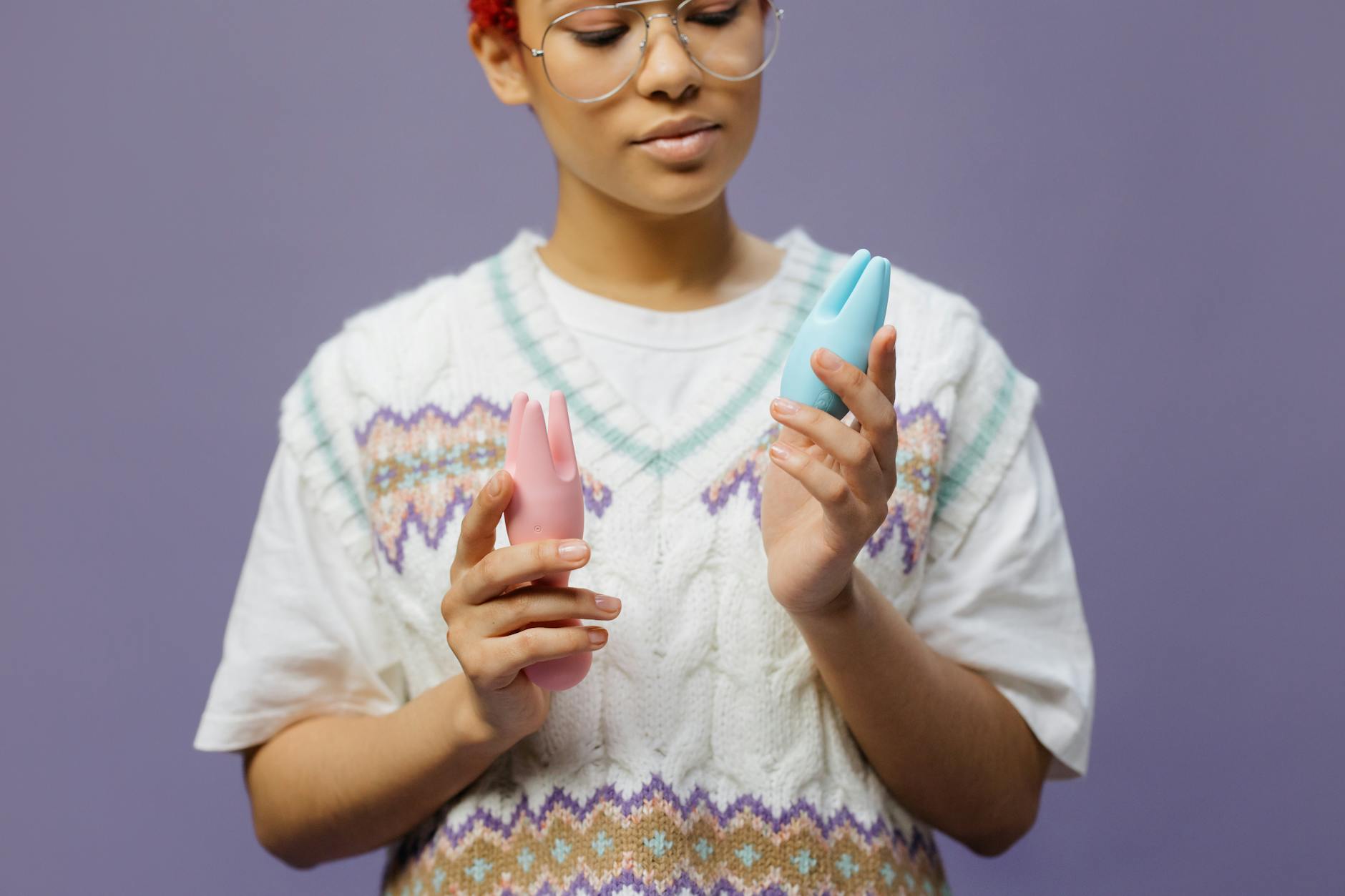
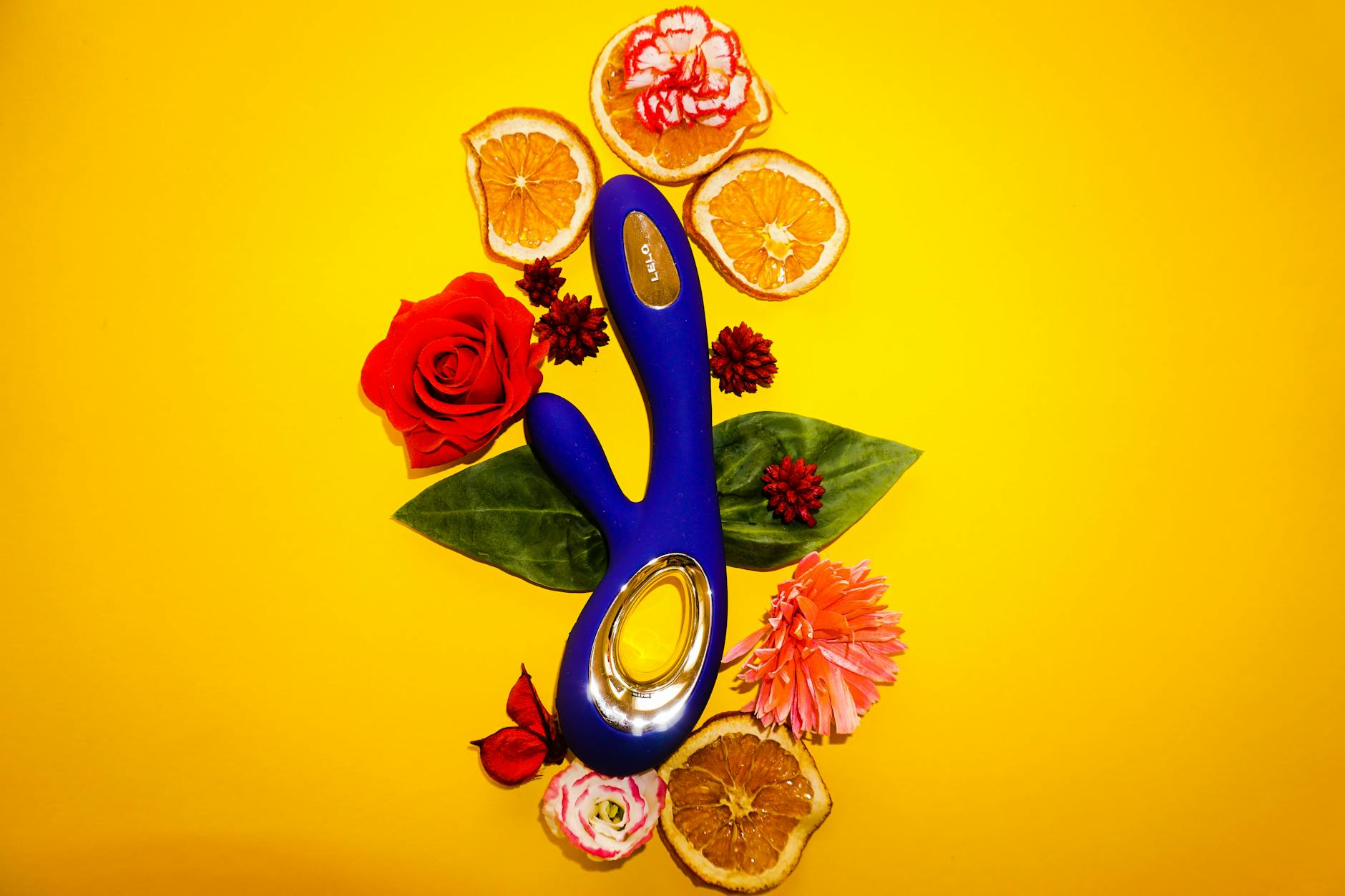
Here's where a lemon clitoral vibrator like the Lem shifts the dynamic. The suction-based design bypasses friction-dependent stimulation. That matters because it means you're not relying on rhythm or intensity alone. The Lem works with your body's natural response, not against it.
But the real magic is psychological. Using a lemon vibrator is a permission structure. It says, out loud, "This is not about speed. This is about sensation." It removes the expectation that your hand or your partner's touch alone should be enough. It introduces a tool specifically designed to deliver consistent sensation without requiring you to perform or judge yourself.
When you hold the Lem, you're choosing your own pace. That's sovereignty over your body.
First, accept that performance pressure is your nervous system's way of trying to help. It's not a character flaw. It's a survival mechanism that learned somewhere along the way that pleasure needs to be quick, efficient, or justified. That learning is wrong, but it's not your fault.
Second, separate timing from success. An orgasm that takes 20 minutes is not a failure. An orgasm that doesn't happen at all and you still felt pleasure is not a failure. An orgasm that happens three minutes in and you both loved it is a success. There is no timer. There is no rubric.
Third, if you're with a partner, name the pressure. "I feel like I'm taking too long" is a conversation starter. "I feel like you're waiting" is data he or she needs to hear. Most partners don't realize they're broadcasting impatience. Most of them will immediately reassure you. Saying it out loud breaks the spell of the unspoken timer.
Start by using it alone, first. No timeline. No performance. Just you, the lemon vibrator, and whatever sensation emerges. This is baseline data. This is you learning what your body can do when there's no audience, no stakes, no clock.
Here's a practical sequence:
Begin with zero expectations. Set a timer for 30 minutes if you need to. Not a timer for orgasm. A timer for "stop thinking about what should be happening and just feel." That permission matters.
Start at the lowest suction setting. The Lem's gentle rhythm is designed to build sensation without overwhelming the clitoris. Let your body warm up. This isn't a sprint.
Notice when your attention drifts to the timer. When you catch yourself thinking "How much longer?" gently return to the sensation. This is a skill, not a failure. Your mind will wander a thousand times. Bring it back a thousand and one.
Let the orgasm surprise you. This is the hard part. Stop trying to engineer it. When you feel a shift in your nervous system, in your breath, in the tightness in your legs, that's arousal building. Breathe into it. Stay present. Let the body do its job.
If climax doesn't arrive, that's fine too. You've still spent 20 or 30 minutes in deep sensation. Your body has released oxytocin and endorphins. You've practiced presence in your own pleasure. That's not nothing.
Use the Lem together. Tell your partner the truth. "I get in my head about how long this takes. Can we do this differently?" Then bring out the lemon vibrator and show them what you want. Maybe they stimulate your body while you hold the Lem. Maybe you use it while they're inside you. Maybe you use it while they watch, fully present but not in control of the timeline.
The key is control. When you hold the tool, you hold the pace. Your partner becomes a supporting player in your pleasure, not the director. That flip in power dynamics dissolves the performance pressure instantly.
If your partner resists, that's a separate conversation. That's about their comfort with your pleasure, and that's not something a lemon vibrator can fix. But it's important data.
Using a lemon vibrator consistently, without the pressure, is how you reprogram your arousal response. Your nervous system learns, slowly, that pleasure doesn't require performance. That sensation is available even when there's no endpoint. That your body can relax enough to respond deeply.
Many of my clients report that after a few weeks of solo use of the Lem, the pressure starts to lift, even in partnered situations. Your body's baseline shifts. You become less hypervigilant about whether something is happening on schedule. You trust your arousal more.
That's not magic. That's neuroplasticity. That's your nervous system relearning what's actually true.
Sometimes the pressure is so deeply wired that a tool alone won't shift it. That's when talking to a therapist trained in sex-positive work, or exploring <a href="/blog/why-lemon-vibrators-deliver-better-sensation-when-arousal-feels-slower-after-40">how slower arousal might actually be an asset to your pleasure</a>, becomes valuable. Performance anxiety is real. It's treatable. It's not something you have to white-knuckle through.
Also consider whether there's something in your relationship that's contributing to the pressure. Resentment. Disconnection. A partner who genuinely doesn't care about your pleasure. Those are relationship problems masquerading as sexual problems, and they need relationship-level solutions.
The lemon vibrator is a tool. It's a brilliant one. But it works best when the ground beneath it is stable.
Here's what I want you to know. Your pleasure doesn't need to be efficient. It doesn't need to happen on someone else's timeline. It doesn't need to be justified or rushed or performed. When you pick up a lemon clitoral vibrator and use it because you want to feel good, not because you're trying to hit a mark, you're reclaiming something fundamental.
You're saying your body matters more than the clock. You're saying sensation matters more than speed. You're saying your pleasure is worth the time it takes.
That's not selfish. That's actually the healthiest thing you can do for your sexuality, and for any partnership built on that sexuality.
There's no "should." Research shows the average time from arousal to orgasm is about 4 minutes for people with penises and 10-20 minutes for people with vulvas, but these are averages. Some people arrive in 2 minutes. Some need 45. Stress, hormones, medication, relationship dynamics, and your own neurochemistry all matter. The only relevant timeline is your own.
Yes. It's so common that it's almost universal in mixed-sex couples. Our bodies are wired differently. Porn and media have warped expectations. Silence about realistic timelines means most people feel broken or slow. You're neither. You're normal. The way to fix this is conversation, not shame.
No. The research on vibrator use shows the opposite. People who use vibrators regularly often report easier orgasms across contexts, including without the tool. The Lem works with your body's ability to respond, it doesn't reprogram you to need it. Some people become preferentially satisfied by lemon vibrators, and that's fine. That's just knowing what works for you.
Absolutely. If your partner feels pressure to finish or perform, bringing the Lem into partnered sex removes some of the burden. It distributes sensation and responsibility. Many couples find that tools actually ease performance pressure for both people.
Then you've still spent time in sensation and presence. That's the real goal. An orgasm is a bonus, not the baseline requirement for good sex. Some of my clients' best sexual experiences involve no orgasm at all. They've just never had permission to call that a success before.
Yes. In fact, it's an elegant solution. You control the clitoral stimulation. Your partner can focus on whatever feels good to them. You're both getting something. You're both present. The pressure dissolves because the expectation that one thing should do everything dissolves with it.
The timer in your head is a real obstacle. So is the silence around timelines. But they're both fixable. Start with the permission structure. Use the Lem alone until you remember what pleasure feels like without judgment. Then bring that ease into partnered moments. Your nervous system will follow.