Let's talk about the pain nobody warns you about
Vulva pain during sex or stimulation is weirdly lonely. It's not talked about the way other sexual issues are. You feel broken, frustrated, and maybe a little ashamed. And then there's the guilt: the pressure to "just power through it" or the fear that pleasure is permanently off the table for you.
Here's the honest truth: vulva pain is real, it's more common than you think, and it absolutely does not mean you can't have orgasms again.
What vulva pain actually is (and isn't)
Vulva pain covers a lot of territory. It could be vulvodynia (chronic pain without an obvious cause), provoked vestibulodynia (pain triggered by touch or penetration), or pain from endometriosis, vaginismus, or even scar tissue from past injury or surgery. Each one responds differently to stimulation, which is why a blanket "use this toy" approach doesn't work.
Here's what matters: your nervous system has learned to interpret certain sensations as a threat. That's not weakness. That's protection. Your body is doing its job. The goal isn't to ignore the pain or "tough it out." It's to slowly, safely retrain your nervous system to recognize pleasure as safe again.
Why traditional vibrators can backfire
Most vibrators work through direct mechanical friction. They buzz, they rumble, they pound. If your vulva is already sensitized or inflamed, that friction can feel sharp, triggering, or downright painful. Adding more stimulus to an already-stressed area just teaches your nervous system that stimulation equals pain.
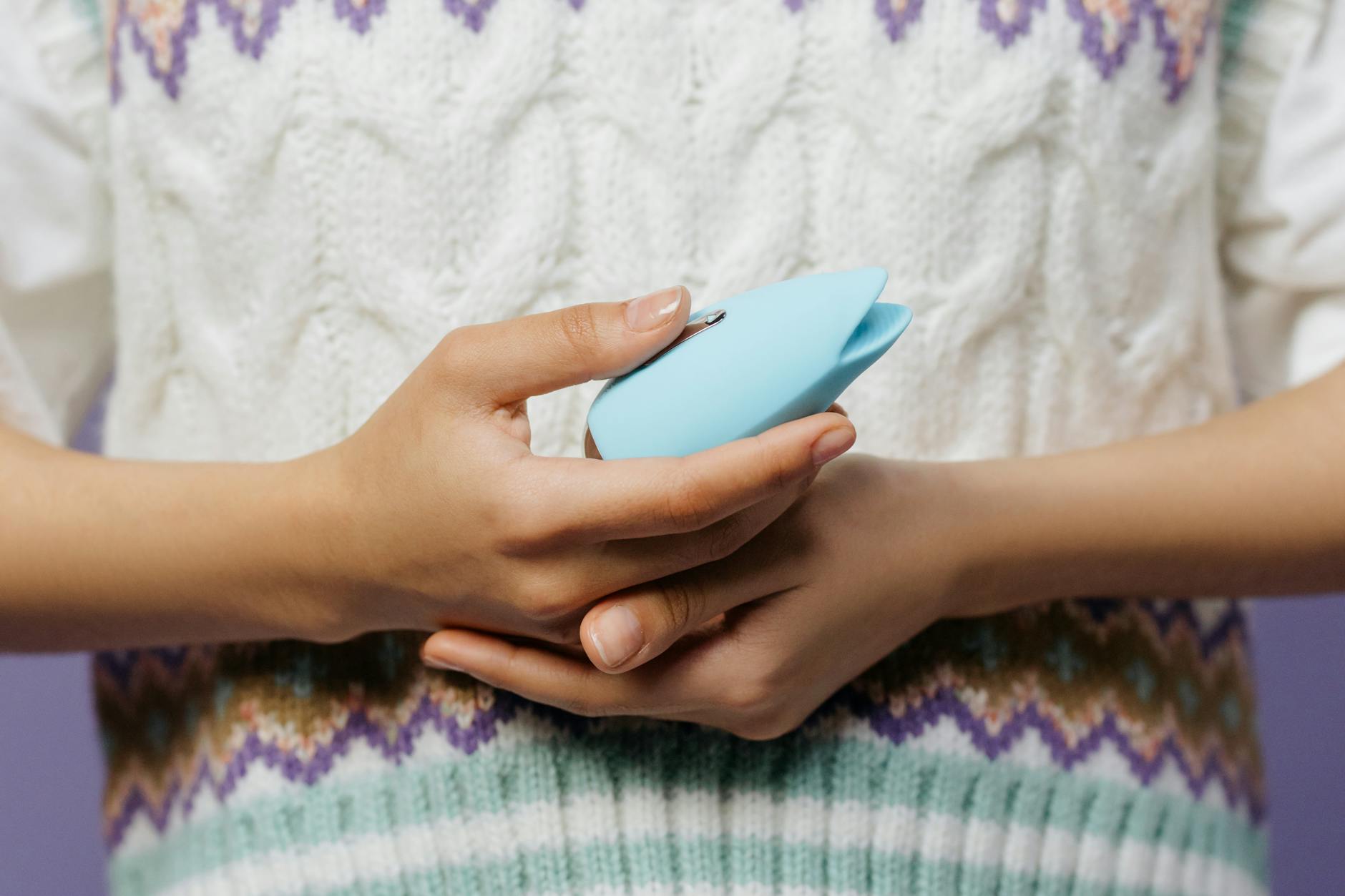
This is where air-suction clitoral vibrators like those from Get Lem Clit Toy work differently. Instead of friction-based buzz, they use gentle suction and pulsing. The sensation is less about direct pressure and more about a rhythmic, enveloping stimulation. For people with vulva pain, this can feel wildly different. Not every person finds it helpful, but for many, the shift from friction to suction is the difference between pain and pleasure.
The pacing strategy that actually works
If pain has been part of your sexual experience, your body expects it. Jumping straight into any stimulation, even gentle stimulation, can trigger a pain response before your nervous system catches up. The key is going absurdly slow.
Start without the toy. Spend time touching the external vulva with your hands. No goal, no pressure to feel aroused. Just gentle, familiar touch. Do this for several days or weeks if you need to. Your nervous system needs to learn that touch here can be safe.
Once that feels genuinely comfortable, introduce the toy at the lowest setting. Not on the clitoris yet. Start on the outer labia, the mons pubis, anywhere that feels less triggering. Spend time here. Again, no rush. Your brain is learning.
When you do move to the clitoris, stay at the lowest intensity. A lemon clitoral vibrator has multiple settings for exactly this reason. Start at pattern 1. Let it run for 30 seconds, then pause. This on-off rhythm helps your nervous system process the sensation in chunks rather than one overwhelming wave.
Lubrication and barrier methods
If your vulva is sensitive, direct contact with a toy can feel too intense, even on the lowest setting. Water-based lubricant isn't just for ease. It's also a buffering layer.
Try this: apply lubricant directly to your vulva and to the toy. This creates a smooth glide and reduces friction. It also slightly dulls the sensation if the vibration feels too sharp.
For people with severe pain, some find relief by using the lemon vibrator through underwear or a thin cloth. You're getting the stimulation and the rhythm without the direct sensation. It sounds like a workaround, but it's actually a legitimate desensitization technique. Your nervous system gets to experience pleasure in a safer container.
The nervous system reset
Pain creates patterns in your brain. Repeated pain = your nervous system starts expecting pain. Breaking that cycle takes deliberate, repeated counter-evidence. This means many small sessions of pleasure without pain, more than one big session.
Better to use your lemon clitoral vibrator for five minutes every other day than for 30 minutes once a week. Small, consistent exposures to pleasure train your nervous system faster than sporadic longer sessions.
If you start and immediately feel pain, stop. Don't push through. Pushing through teaches your nervous system that this is dangerous. Use that session as data: what exactly triggered the pain? The vibration level? The location? The duration? Adjust and try again tomorrow.
When to bring a partner into this
If you have a partner, they often want to help but don't know how. Pain can create shame around sexual contact, which then creates distance. Rebuilding pleasure works better when your partner understands what's happening.
Tell them clearly: "I'm working on rebuilding sensation. This isn't about you. It's about my nervous system learning that touch here is safe." Involve them in the pacing strategy if that feels right. Let them know what settings and what pace feel manageable. Sometimes having a partner present, calm, and patient actually speeds up the retraining process. Sometimes solo exploration feels safer at first. Both are fine.
Physical stretching that helps
Tight pelvic floor muscles often make pain worse because tension + stimulation = more pain. Gentle stretching isn't going to cure vulvodynia, but it can make stimulation feel less sharp.
Try a figure-four stretch: lie on your back, one leg bent, the other leg crossed over it, gently fold forward. Hold for 30 seconds. Do this daily, especially on days you're working with your lemon vibrator.
Child's pose also helps release tension in the pelvic floor. Hold it for a minute or two, breathing deeply. The breath is important. Shallow breathing keeps tension locked in. Deep breathing signals your nervous system that it's safe to release.
When to see a specialist
If pain is severe or hasn't improved after four weeks of this work, see a pelvic floor physical therapist. Not all physical therapists understand vulva pain. Look for someone trained in pelvic floor dysfunction or pain science. They can identify if the issue is muscular tension, scar tissue, or something else, and they can give you targeted exercises.
Some people also benefit from a talk with their gynecologist. Pain can sometimes signal endometriosis, cysts, or other issues that need medical attention. Get the medical picture clear before assuming it's all nervous system retraining.
The reframe that changes everything
Right now, you might see your vulva as a source of pain. That's understandable. But pain is information, not identity. Your body isn't broken. It's telling you something. The work here isn't about ignoring that message. It's about slowly, patiently helping your nervous system understand that pleasure is possible again.
A lemon clitoral vibrator is a tool in that process, not the whole solution. The real work is the patience, the consistency, and the willingness to move slowly enough that your nervous system catches up.
Orgasms when you've experienced pain aren't the same as they were before. They might feel different, take longer to build, require different settings. That's not less. It's just different. And often, once you're on the other side of pain, those orgasms feel earned in a way that changes their meaning completely.