Let's talk about the guilt first
Desire doesn't follow a grief timeline. You might expect it to disappear entirely for months, maybe years. Instead, it sneaks back in waves.that moment when arousal surfaces again can feel disorienting. Maybe you're sad. Maybe you're still processing loss. And suddenly, your body wants something that feels impossible to reconcile with where your heart is.
That contradiction isn't a sign you're healing wrong or that you didn't care enough. It's just how bodies work.
The neurology of grief and pleasure
Grief activates the parasympathetic nervous system. The sympathetic system—the one responsible for arousal—gets suppressed. Over time, as your brain processes loss and integrates it into your story, that suppression loosens. Desire doesn't wait for your grief to be "done." It arrives before you're ready, which is actually how you know you're moving through it.
This biological reality matters because it separates you from a story you might be telling yourself. Wanting pleasure again doesn't mean you've forgotten. It doesn't mean the loss mattered less. It means your nervous system is signaling that it's safe to feel other things now.
Why lemon vibrators help with this particular transition
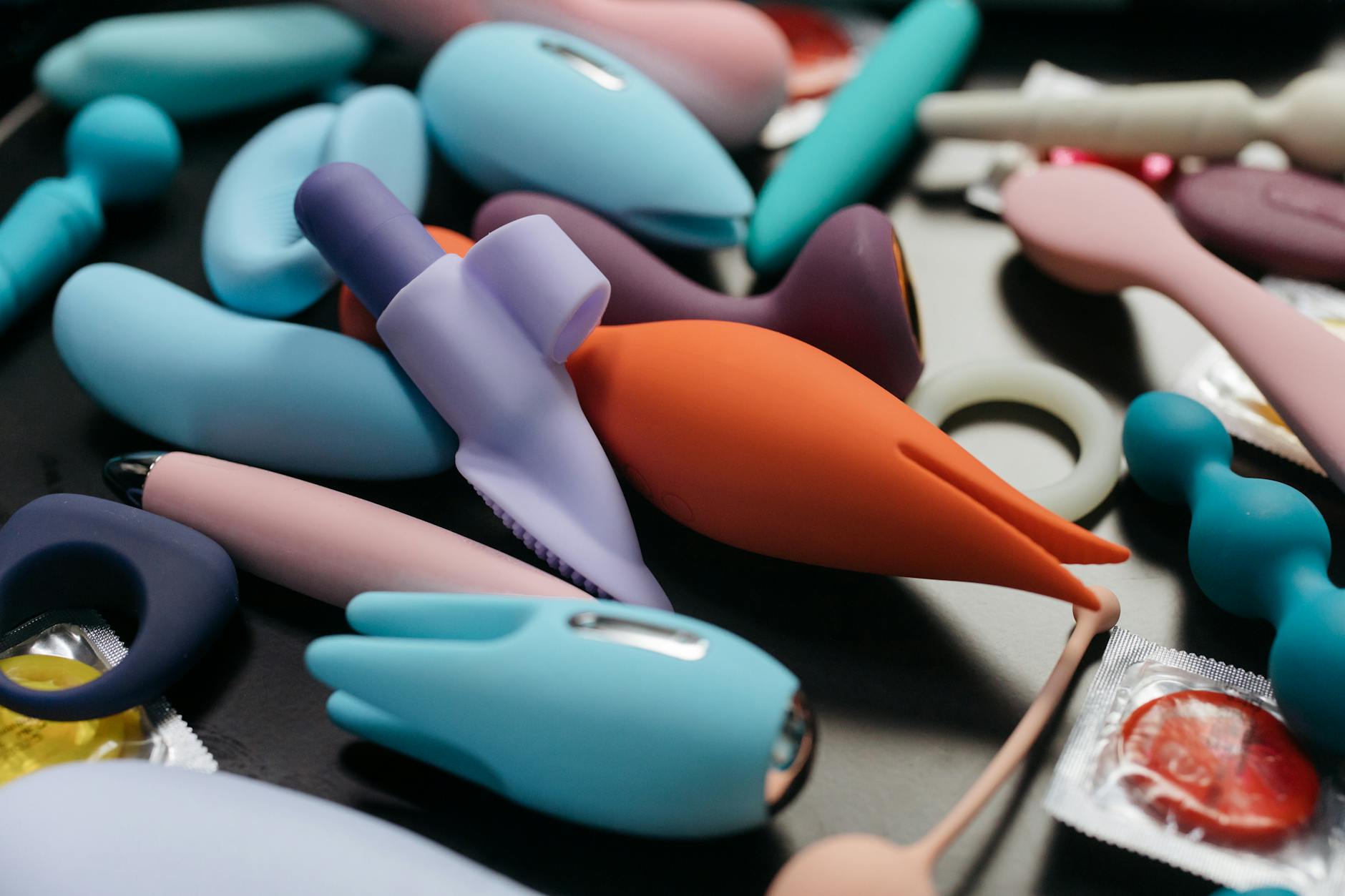
Lemon clitoral vibrators like those from Get Lem Clit Toy are designed around suction rather than direct vibration. That matters here because suction feels gentler, more diffuse, less demanding of your attention. When you're grieving, you don't want something that requires you to be "present" in a high-intensity way. You want something that feels like permission to be present without performance.
The suction pattern also bypasses one of the hardest parts of grief sex: the shame spiral. Direct vibration can feel too mechanical, too much like "using" your body. Suction feels more like your body is being cared for. That shift in sensation often shifts the emotional charge too.
Starting when you're not ready (and that's the point)
Here's what I tell clients: you don't have to wait until you feel "ready" in some ideal sense. Ready is a myth. Instead, you start small. Solo. No timeline, no goal.
Take a lemon vibrator. Start with the lowest suction pattern (pattern 1 or 2 if you're using the Lem). Let it sit against your clitoris without expectation of arousal or orgasm. The goal is literally just sensation—to remind your nervous system that pleasure is still available to you, even while you're sad.
Do this for 2-3 minutes. That's it. Your body doesn't need to get anywhere. You're not trying to come. You're just reintroducing yourself to the feeling of being wanted by your own body.
The guilt conversation you actually need to have
If you're partnered, talking about this with your partner matters. Not "I want to use a vibrator again," though that's part of it. The real conversation is: "I'm feeling desire again, and it's confusing because I'm still grieving. I need this to feel okay."
That conversation usually reveals that your partner is grieving too and feeling similarly complicated. They might think wanting sex means they don't care about the loss. They might feel guilty about having felt desire all along. Getting those fears on the table dissolves most of the shame immediately.
If you're solo, the conversation is internal. Give yourself permission. Say it out loud if you need to: "I'm sad and I'm also allowed to feel pleasure. Both can be true."
How the timeline actually works
Weeks 1-2: Solo exploration with the vibrator on low settings. No orgasm goal. Just sensation and permission. Do this 2-3 times a week if it feels right. If it doesn't, skip it. You're listening, not forcing.
Weeks 3-4: Increase duration slightly. Try patterns 2-3 if low feels too gentle now. Still solo. Still no pressure. But notice if arousal is building. Don't chase it. Just notice.
Weeks 5-8: If partnered, introduce it to shared time. Not as a fix or a Band-Aid. As a tool that helps you both feel less alone in your bodies. Start with your partner watching if that feels safe. Then graduate to them touching you while you use it. Then to simultaneous pleasure.
Throughout: If guilt spikes, pause. Sit with it. Ask yourself if it's actual moral guilt (which usually means boundaries have been crossed) or grief guilt (which usually means you're just sad and your brain is looking for something to blame). They feel the same but they're not.
Grief guilt is normal and will fade. It doesn't need fixing. It needs time.
The specific technique that works for grief-adjacent arousal
Start with your vibrator off. Hold it against your clitoris for 30 seconds. Breathe. Notice the weight, the warmth, the texture. Then turn it on to pattern 1. Let it stay there for 2-3 minutes without moving it around. Your instinct might be to search for the "right spot." Resist that. Suction does the searching for you.
If you notice your mind wandering to sadness, that's fine. You're not supposed to stay in arousal-only headspace. You're allowed to grieve and feel pleasure at the same time. The two don't cancel each other out.
After 3 minutes, gradually increase the pattern intensity (pattern 2, then 3) but only if your body is asking for more. If pattern 1 is enough, stay there. There's no achievement level here.
If orgasm happens, great. If it doesn't, that's also great. You're rebuilding the relationship with pleasure, and that doesn't require a climax every time.
When to bring in a partner (if you have one)
Once you've done solo exploration for 4-6 weeks, partnered play becomes less scary. Your partner has watched you practice. You've proven to yourself that pleasure and grief can coexist. Now you're not introducing vibration into partnership. You're introducing partnership into something you've already normalized.
Start simple. Use the vibrator while they're beside you, not touching. Let them see that you're safe, that this is gentle, that it's not a replacement for them. Then have them use it on you while you're calm. No pressure for sex afterward. The goal is just to share the experience without it meaning something it doesn't yet.
Many couples find that using lemon clitoral vibrators together after loss becomes a way to grieve together. It's intimate without being performative. It's pleasurable without demanding happiness. It's exactly what some people need.
The difference between guilt and genuine red flags
Grief guilt tells you: "I shouldn't feel good when things are sad." That's normal. It dissolves.
Genuine red flags sound like: "My partner is pushing this on me when I've said no" or "I'm using this to avoid processing my loss." Those need actual attention. The first is a boundary issue. The second is a sign you need a therapist alongside the vibrator.
But basic grief guilt? That's just your nervous system catching up to your heart. Time and gentle, consensual pleasure will soften it.
FAQ
How long should I wait after a loss before using a vibrator?
There's no universal timeline. Most people find that 4-6 weeks after a major loss is when desire starts to reappear. Some take months. Some feel ready within days. Listen to your body, not a clock. If you're getting arousal signals, that's your nervous system saying it's safe to feel something other than grief. That's permission enough.
Can using a lemon vibrator be disrespectful to someone I've lost?
No. Pleasure is not betrayal. Your body surviving loss and continuing to want sensation is a sign of resilience, not cruelty. If you lost a partner, using a lemon clitoral vibrator honors the fact that your sexuality is yours, that it survives, that you survive. That's actually profound.
What if arousal feels mechanical or fake after loss?
It often does at first. Grief numbs sensation. So arousal in early grief can feel like you're performing it rather than feeling it. That's normal neurologically and will pass. The suction from a lemon vibrator helps bridge that gap because it doesn't require you to generate your own intensity. It's gentler, which makes it easier to trust.
Should I tell my partner I'm using a vibrator after loss?
If you're partnered and usually tell each other about sexual exploration, yes. If your dynamic is private, you don't have to. But if you're using it to avoid intimacy with them or to suppress desire for them, then keeping it secret is worth examining. Open conversation usually dissolves the shame faster than secrecy.
Is it normal to feel sadder while using a vibrator?
Yes. Pleasure can unlock emotion. Sometimes sensation cracks open feelings you've been holding. If you find yourself crying during or after, that's not a sign something is wrong. It's a sign something is moving. Let it move. After, reach for water and a soft blanket.
How do I talk to a new partner about pleasure after loss?
Honestly and early. "I'm still grieving [person/situation], and that affects my arousal sometimes. I'm using a lemon vibrator to help rebuild that connection with my body. I'm telling you because I want you to understand where I'm at." Most partners appreciate the clarity. It removes the guesswork and the fear.
The bottom line
Desire returning after loss is not a betrayal. It's proof you're still here. Using lemon vibrators during this transition gives your body permission to feel good while your heart is still mending. That contradiction is not a problem to solve. It's the whole point of being human.
If you need support unpacking the emotional side of grief and sexuality, reach out. If you just need permission to feel pleasure again, here it is.