
The resistance is almost never about the toy
Let's be real. When a partner says they don't want you to use a vibrator, especially a lemon clitoral vibrator like the Lem, the objection is almost never actually about the toy itself. It's about what they think the toy means. And that's the conversation worth having.
I've worked with hundreds of couples where one partner wants to introduce a vibrator and the other person pulls back. The stated reasons range from "It feels like you're replacing me" to "I don't like toys" to "My ex used one and it felt weird." But underneath nearly every resistance is one of three core fears: inadequacy, rejection, or loss of control. Understanding which one your partner is actually feeling changes everything about how you approach this.
Here's what I know from my work as a couples therapist: the couples who successfully integrate clitoral vibrators into their shared sex life are the ones who address the emotional layer first, before they ever unwrap the Lem.
Why partners resist, and what's really going on
When someone pulls back from the idea of vibrators, they're usually protecting something. Let me walk you through the three most common patterns.
Pattern One: "I'm not enough."
Your partner thinks a vibrator means you need something they can't provide. This is about inadequacy. They believe their hands, their body, their effort should be sufficient. A lemon vibrator, in this framework, becomes evidence that they've failed to satisfy you.
What's actually true: clitoral vibrators enhance sensation. They don't replace anything. Your partner can be present, engaged, and inside or beside you while you use the Lem. The vibration isn't a substitute for them. It's an addition that often makes the shared experience more intense, not less.
Pattern Two: "I'm losing you."
Some partners associate vibrators with solo sex or extramarital affairs. They worry that introducing toys means you're mentally checking out of the relationship, or that you prefer the toy to them. This fear often comes from attachment anxiety or a history of infidelity or abandonment.
What's actually true: using lemon sexual toys together during partnered sex deepens intimacy when it's framed as joint exploration. The vulnerability of showing a partner exactly what feels good, then using the toy together, often creates more closeness, not less.
Pattern Three: "I need to be in charge."
Other partners feel like a vibrator takes away their agency or control. If you're setting the pace, the intensity, the rhythm with the Lem, they're no longer the primary driver of the experience. This can feel emasculating or disempowering, particularly for partners socialized to believe they should be the sole source of pleasure.
What's actually true: pleasure isn't a zero-sum game. You having agency over your own sensation doesn't diminish theirs. In fact, partners often report that watching someone they care about experience intense pleasure is deeply arousing.
Before you introduce the Lem: the reframing conversation
Don't lead with the toy. Lead with the conversation. Here's how I coach couples through this.
Step One: Get curious, not defensive.
Instead of "I want to try a vibrator and I don't understand why you're resistant," try: "I've been thinking about ways we could both feel more pleasure, and I want to understand what comes up for you around vibrators. Can we talk about that?"
This is a genuine question, not a setup. You're inviting them to tell you what's actually scary, not defending your desire. Most partners will soften when they feel heard instead of attacked.
Step Two: Identify the actual fear.
Listen without interrupting. If they say "It makes me feel like I'm not enough," don't immediately argue. Say: "That makes sense. Tell me more about that." Keep asking until you understand the root. Is it that they feel incompetent? Replaceable? Excluded?
Step Three: Separate the fear from the fact.
Once you know the fear, name it explicitly: "I hear you. You're worried that if I use a vibrator, you'll feel like you're not enough. That's a real worry, and I want to tell you what's actually true for me." Then tell them. "I think you're hot. I want you. I also want to explore my own body with new sensations, and I'd love for you to be part of that. Those two things exist together."
Step Four: Propose a plan, not a demand.
Instead of "I'm getting a lemon vibrator," try: "What if we started by just talking about what turns you on when you think about us having more pleasure? And then we could explore tools together, including things like the Lem, without any pressure. Does that feel okay?"
How to introduce lemon clitoral vibrators without triggering defense
If the emotional conversation went well, the actual introduction is easier. Here's the sequence that works.
Phase One: Education, not sales.
Show your partner research on how air-suction technology in lemon vibrators (and why the Lem works the way it does) enhances clitoral pleasure without damaging tissue or reducing sensitivity. Some partners feel less threatened when they understand the mechanics. It's science, not magic. It's tool, not replacement.
You might say: "The Lem works through suction rather than vibration, which means it creates a different sensation. Some people find it really intense. I'm curious to explore it, and I'd want you there."
Phase Two: Introduce it in a low-pressure context.
Don't surprise them with it mid-sex. Instead, maybe you're together on a weekend morning, feeling close, and you bring it out: "I got the Lem. Want to explore it together? No pressure. We can just look at it, talk about it, no expectations."
Many partners feel less defensive when there's time and space, not urgency.
Phase Three: Use it first in solo play they observe.
Some partners feel less threatened if they watch you use it alone first, while they're present. This removes the performance aspect and lets them see you genuinely enjoying yourself without them having to do anything. Many couples report this is actually incredibly sexy. Your partner gets to witness your pleasure without responsibility. You get to feel safe exploring.
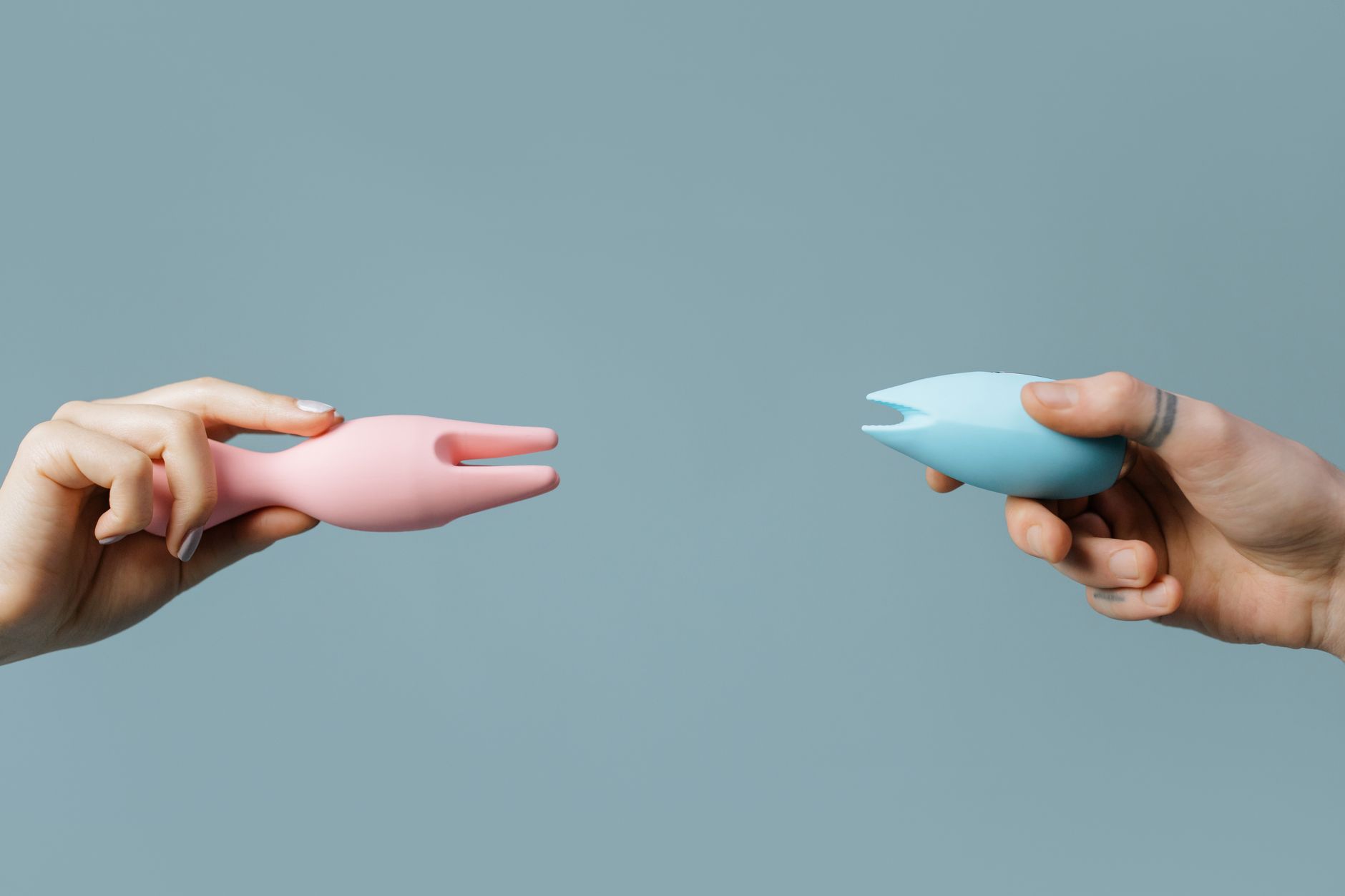
Photo by cottonbro studio on Pexels
Phase Four: Integrate it into partnered sex slowly.
Once they've seen you use the Lem solo and felt less threatened, the next step is together. You might use it while they're inside you. You might use it while they're kissing you. The key is that they stay engaged, present, and involved. They're not watching from the sidelines. They're part of the experience.
What to do if they still resist after genuine conversation
Sometimes you've had the conversation, you've been patient, you've explained it well, and your partner still says no. Now you have a choice to make.
If this is truly non-negotiable for them (and they've genuinely explored why), you need to ask yourself: can I accept that this isn't part of our sex life? Or is this a core incompatibility?
There's no universal right answer. Some people are willing to let go of vibrators for their relationship. Others find that their pleasure needs aren't negotiable. What matters is that you're honest with yourself about what you actually need, and that you make that choice consciously, not out of guilt or obligation.
If you do decide this is important to you, you can set a boundary: "I respect that this isn't something you want to explore together. I'm going to use the Lem on my own time, and I hope you can accept that part of my sexuality. I'd prefer if we could do this together, but my pleasure matters too."
This isn't selfish. It's actually the clearest, kindest thing you can do for both of you.
The deeper thing: why partners come around
When I work with couples who've successfully integrated lemon sexual toys into their sex life, the shift usually comes when the resistant partner actually witnesses their partner's pleasure. Seeing someone you care about experience real, undeniable satisfaction is a powerful antidote to insecurity.
Your partner may stop resisting not because you convinced them intellectually, but because they felt how good it felt to be part of your pleasure. That's the real work. Not persuasion. Presence.
When you use the Lem together, make space for them to be there. Invite them in. Let them see your face, hear your breath, feel your body respond. That's the permission they often need to let go of the fear.
People also ask
What if my partner thinks vibrators will desensitize me?
This is a common concern, especially around lemon clitoral vibrators. The science is clear: vibrators don't cause desensitization. Consistent stimulation at very high frequencies can, but the Lem and other quality adult toys are designed to avoid that. Your tissue doesn't become numb. If anything, people who regularly use clitoral vibrators often become more attuned to their own sensation, not less. You might mention this research in your conversation, but know that sometimes the fear isn't really about desensitization. It's about something else.
How do I talk about this if I'm embarrassed?
Embarrassment is usually a sign that you're about to have a real conversation. Start by naming it: "I'm a little embarrassed talking about this, which is probably obvious, but this matters to me." That honesty often disarms your partner. They see you being vulnerable, not demanding. The conversation becomes collaborative instead of adversarial.
What if introducing toys makes our sex less frequent?
This is actually backwards. Couples who introduce new elements, including lemon adult toys, usually report more frequent sex, not less. Why? Because there's novelty. Because someone's actively problem-solving around pleasure. Because the conversation itself creates intimacy. If frequency drops after introducing toys, it usually means something else is wrong in the relationship that the toys just made visible.
Is it okay to use the Lem if my partner isn't interested?
Yes. Your sexuality doesn't require your partner's approval. That said, be thoughtful about the boundary. Some partners can handle you using vibrators solo. Others feel genuinely betrayed. You're allowed to have needs. They're allowed to have boundaries. The question is whether you can both live inside those boundaries. If you can't, that's information worth having.
How long should we wait before trying this again if they said no?
There's no timeline. Some partners need months or years. Some shift their perspective after a single conversation. The best predictor isn't time. It's whether the underlying fear has actually been addressed. If your partner is still afraid you'll leave them or feel inadequate, waiting won't help. Going back to the emotional conversation eventually will.
Can we use a lemon vibrator if our sex life is already struggling?
Maybe, but probably not as the first solution. If your relationship is struggling with desire, frequency, or connection, introducing a toy can sometimes help. But more often, you need to address what's underneath first. If you're not having sex because you're resentful or disconnected, the Lem won't fix that. Consider a conversation or couples therapy before investing in new tools. Once the foundation feels solid, then explore together.
The thing about partnership and pleasure
What I've learned from years of working with couples is that the resistance to lemon vibrators, or to any tool that enhances pleasure, is almost always about something deeper. It's about safety. About feeling wanted. About control and vulnerability.
The couples who thrive are the ones who get curious about those deeper things instead of just fighting about the toy. The ones who ask "what does this fear tell me about what I need?" instead of "why won't you just let me use it?"
Your partner's resistance isn't the problem. It's information. And once you understand what it's actually pointing to, you can usually find a path forward that works for both of you. Sometimes that path includes the Lem. Sometimes it doesn't. Either way, you'll have done the real work. And that's what actually builds lasting pleasure and intimacy.
If you're navigating this alone and feel stuck, that's what couples communication is for. Reach out. This conversation matters.