When the body says yes but the heart says no
Honestly, this one shows up in my office constantly. A couple who still has sex regularly, sometimes even frequently, but something's missing. The physical part works fine. The emotional part feels like trying to fill a bucket with a hole in the bottom.
One partner describes it as going through the motions. The other feels rejected even though sex is happening. Both feel lonely during intimacy, which might be the loneliest feeling there is. And then they blame themselves, or worse, they blame the sex itself.
Here's what's actually happening: emotional disconnection creates a feedback loop in the body. Even if you want sex, your nervous system doesn't fully relax into it. Arousal stalls or feels hollow. The whole thing becomes transactional instead of connective. That's not a libido problem. That's a trust problem wearing a sexuality costume.
Why emotional distance kills physical response
Your nervous system doesn't care about logic. It cares about safety. When emotional intimacy is absent, your body registers that as a threat, even if intellectually you want sex and you're attracted to your partner. Cortisol stays slightly elevated. The vagus nerve, which regulates relaxation, stays in a partial defensive state. That means arousal takes forever, sensation feels muted, and orgasm feels either impossible or hollow.
From a neurological standpoint, real pleasure requires parasympathetic activation. That's the "rest and digest" nervous system state. You can't access it while part of your brain is asking, "Are we actually okay? Can I trust this person right now?" Those two things live in completely different brain regions.
Women especially internalize this. We've been taught that we need to be aroused to have sex, that if we're not into it, we're broken. But arousal isn't a character flaw. It's information. It's your body saying, "I need emotional safety first."
The Lemon Vibrator as a reset tool
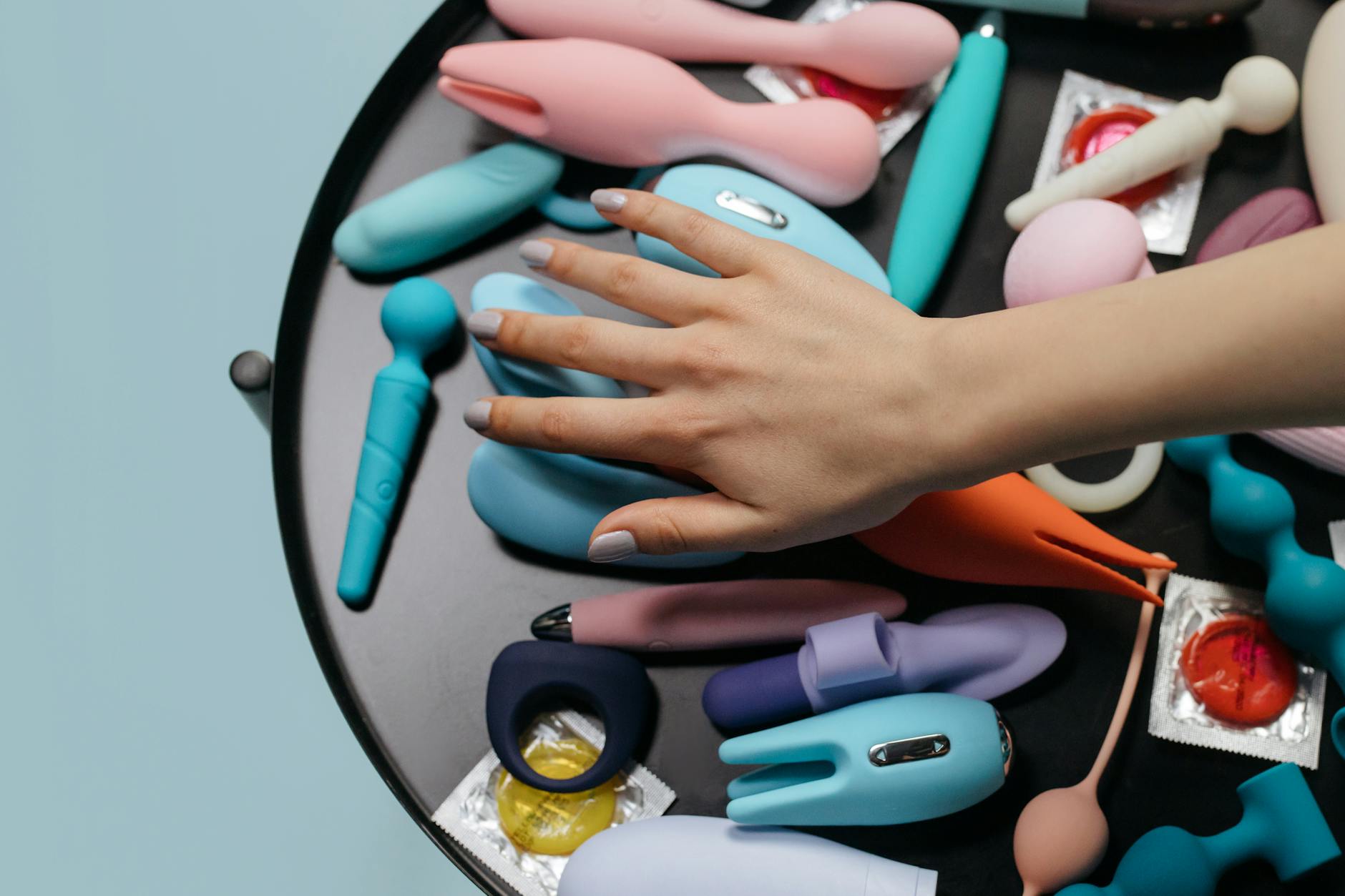
This is where lemon clitoral vibrators come in, but not in the way you might think. The lemon vibrator isn't the solution. It's a translator. It gives your body permission to experience pleasure independent of the emotional narrative you're running in your head.
When you use a lemon vibrator alone, in moments of real presence, something shifts. You're not performing. You're not waiting for someone else's rhythm. You're not managing anyone's feelings. You're just exploring sensation without the weight of emotional labor. That's when your nervous system can actually downshift.
The suction-based technology of lemon clitoral vibrators works especially well here because it's dramatically different from how a partner would typically stimulate you. That difference matters. It breaks the pattern. Your body doesn't go into autopilot. It has to pay attention, which pulls you out of your head and into physical sensation. That's where reconnection actually starts.
Rebuilding emotional safety first, then using pleasure tools
But here's the thing nobody says clearly: a vibrator won't fix an actual emotional breach. If there's infidelity, ongoing dishonesty, or untreated resentment, no amount of clitoral stimulation fixes that. You need to address the breach first, usually with a therapist or a serious conversation that includes accountability.
That said, if the emotional distance is situational, if it's built on miscommunication or stress rather than betrayal, then rebuilding happens in layers. First comes honesty about how you're feeling. Then comes repair work. Then, once there's some repair happening, pleasure tools can help you reconnect to sensation and each other.
The lemon vibrator becomes part of a deliberate practice. You use it alone for a few weeks, reconnecting to what genuine pleasure feels like when there's no performance pressure. You might use it with your partner present but not involved, learning that they can witness your pleasure without it being their responsibility. Eventually, that presence becomes arousing again because it stops feeling obligatory.
Breaking the performance cycle
One major pattern I see: when emotional intimacy is low, sex becomes a negotiation instead of an invitation. One partner initiates, the other says yes out of obligation or guilt, then everybody's tense. The person initiating feels rejected no matter what happens. The person responding feels resentful for having to be in a body they don't feel safe in.
A lemon clitoral vibrator interrupts this loop. It removes the negotiation. You don't need permission. You don't owe anyone access to your body. You don't have to prove anything. When you take back solo pleasure as something you do for yourself, not something you're doing to manage someone else's feelings, the dynamic changes.
Then, when you do have partnered sex, it's because you actually want to, not because you're trying to fix the relationship through your body. That's when real physical and emotional intimacy can start rebuilding.
What this looks like in practice
Let's say you're in this situation. Here's a specific path forward.
First, spend 2-3 weeks using a lemon vibrator solo, without agenda. Not to prove something. Just to remember what pleasure feels like when you're the only person in the room. Notice what emerges. Notice what fantasies or sensations come up when there's no one watching. This is data about your actual desires, not your obligatory ones.
Second, have an actual conversation with your partner about the emotional distance. Not during sex. Not to blame. Just: "I've been feeling disconnected, and I think that's affecting everything. I want to rebuild that closeness, and I need to be honest about it." That honesty is usually what breaks the cycle faster than anything else.
Third, consider bringing a lemon vibrator into partnered time, but frame it differently than you might expect. It's not about spicing things up. It's about you getting what you need so that being together feels genuinely pleasurable instead of obligatory. Some couples find that watching their partner use a vibrator, without pressure to perform or reciprocate immediately, is actually deeply intimate because it's based on genuine pleasure, not duty.
When to get professional support
If the emotional distance is persistent and the conversation doesn't shift anything, that's when couples therapy actually matters. A skilled therapist can help you both understand what created the distance and what rebuilding actually requires. Some couples need to grieve what they thought their relationship would be. Some need to rebuild trust after a specific betrayal. Some just need to learn how to ask for what they need.
A lemon clitoral vibrator is a useful tool, but it's not a therapist. It can help you reconnect to your body. It can't help you resolve the emotional breach on its own.
The hard truth about pleasure and connection
You deserve physical intimacy that feels good in your body AND safe in your heart. Not one or the other. Both. That's not asking too much. That's baseline.
If you're using a vibrator to avoid dealing with emotional distance, that's real, and it's worth naming. But if you're using it to remember what genuine pleasure feels like while you rebuild trust? That's repair. That's taking yourself seriously. That's the kind of self-respect that actually attracts the kind of partner who wants to show up emotionally.
FAQ
Why does my clitoris feel numb when I'm emotionally distant from my partner?
Your nervous system prioritizes safety over pleasure. When there's emotional disconnection, your body stays partially in a defensive state, which suppresses genital sensation. This isn't psychological weakness. It's a protective mechanism. Once emotional safety rebuilds, sensation usually returns naturally.
Can using a lemon vibrator alone help me figure out if I actually want my partner?
Yes. When you're solo and using a clitoral vibrator with zero performance pressure, you discover what genuinely arouses you versus what you've trained yourself to want. That clarity often illuminates relationship issues that were buried under obligation. Sometimes it confirms you want the relationship. Sometimes it clarifies that you don't. Both answers are useful.
My partner feels threatened when I use a vibrator. Is that normal?
It's common, but it usually signals an underlying fear. Your partner might feel replaced, or inadequate, or worried that you're checking out emotionally. The conversation isn't about whether the vibrator is okay. It's about what your partner is actually afraid of. Once you address that fear, the vibrator becomes less threatening because they understand it's about your pleasure, not their failure.
How do I know if my emotional distance is temporary stress or a real relationship problem?
Temporary stress usually responds to increased communication and small reconnection gestures. You feel the shift within a few weeks. Real relationship problems persist despite effort and usually involve patterns of breach (infidelity, dishonesty, contempt) rather than just circumstance. If you're unsure, therapy can clarify that.
Should I be using a lemon clitoral vibrator if I'm considering leaving my relationship?
That depends on whether you're considering leaving because the relationship is actually incompatible, or because you're burned out and haven't named it. A vibrator helps you reconnect to your own desires, which is useful information either way. But it's not a decision-making tool. That's what therapy is for.
How long does it usually take for emotional intimacy to rebuild?
There's no standard timeline. If it's situational stress and miscommunication, sometimes a few honest conversations create a shift within weeks. If there's been betrayal or years of resentment, actual rebuilding takes months or longer. Working with a couples therapist usually accelerates the process because you have a neutral third party helping you both stay honest.