
Let's be real about what medical procedures do to your body
When you're recovering from surgery, medication changes, or medical treatment, pleasure isn't usually top of mind. Your body is focused on healing. But here's what catches people off guard: once physical recovery happens, your nervous system and sensation patterns don't automatically bounce back to where they were.
Anesthesia, pain medications, hormonal treatments, and the stress response to surgery all reshape how your body registers touch. You might feel numb in places that used to light up. Or sensation might come back hypersensitive and overwhelming. Maybe arousal takes longer. Maybe touch that felt good before now feels muted or even uncomfortable.
This is temporary, but it's real. And lemon vibrators, specifically air-suction clitoral vibrators like the Lem, can be one of the gentlest ways to help your nervous system remember pleasure.
What medical procedures actually change about sensation
Different procedures affect your body in different ways. Understanding which one applies to you matters because it changes your approach.
Surgery involving the abdomen or pelvic region. Hysterectomy, fibroid removal, appendectomy, c-section. The nervous system around the surgical site goes quiet while it heals. Even after incisions close, nerve fibers regrow slowly. Some areas may feel tingly, numb, or overly tender for weeks or months. The clitoris itself isn't usually affected directly, but the pathways that carry sensation can feel disrupted.
Medications that reshape sensation. Certain antidepressants, blood pressure meds, and hormonal treatments are known sexual side effects. They dull the body's capacity to build arousal and reach orgasm. The sensation is still technically there, but it feels muffled, like trying to feel pleasure through a thick blanket.
Radiation or chemotherapy. These treatments can create burning or numbness in the vulva and pelvic floor. Tissue becomes more fragile. The vaginal lining thins. Arousal fluid production drops dramatically. Sensation feels sharp or absent, sometimes both at once.
Pelvic floor dysfunction or physical therapy. If you've been working with a PT to relax or strengthen your pelvic floor, your nervous system has been relearning how to coordinate those muscles. That retraining period can feel like your body has gone offline. It hasn't. It's recalibrating.
Why lemon clitoral vibrators work during recovery
Air-suction vibrators like the Lem operate on a completely different principle than traditional vibrating toys. Instead of oscillating against sensitive tissue, they create rhythmic suction and release. This gentle pulsing mimics the way your body naturally responds to arousal without requiring the same intensity of sensation that you might need before recovery.
Three reasons they're recovery-friendly:
They don't require high sensation. If your body is still numb or hypersensitive, traditional vibrators can feel too intense or not intense enough. The Lem's gentle suction works across a wider range of sensitivity. It's not trying to force sensation into an offline nervous system. It's meeting you where you are.
They support gradual nervous system rewiring. Your nervous system remembers pleasure, but it needs gentle reminders. Low-intensity suction is enough signal to wake up those pathways without overwhelming fresh nerve endings. You're essentially saying to your body: "Hey, pleasure is still possible. We're going to find it together."
The pulsing matches arousal rhythms. Real arousal isn't a straight line. It builds, plateaus, dips, builds again. The Lem's pulsing pattern echoes that natural rhythm. During recovery, when your body feels out of sync with itself, matching its own timing can feel less jarring than forcing external intensity onto it.
How to use lemon vibrators safely during recovery
If your doctor or PT has cleared you for sexual activity, here's the protocol I recommend to my clients.
Start with the lowest setting. The Lem has multiple intensity levels for this exact reason. Resist the urge to turn it up because you "should" feel something. You will feel something at the lower settings. It might just be subtle at first. That's the point. Let sensation gradually increase as your nervous system wakes back up.
Keep sessions short, 10-15 minutes maximum. Your body is still healing. Extended stimulation, even gentle stimulation, taxes your nervous system. You're not trying to reach orgasm. You're training your body to recognize pleasure as safe.
Use plenty of lubrication. Medical procedures and recovery medications often reduce natural lubrication. A good water-based lube isn't a sign that something is wrong. It's a tool that lets the suction work properly without friction that could irritate healing tissue.
Stop immediately if you feel pain. Sensation should range from nothing to pleasant. If it ever sharpens into pain, stop. Pain means something is still healing. There's no prize for pushing through it. Your nervous system will rewire faster if you respect its pace.
Establish a small window of time. 2-3 times a week is usually enough during early recovery. More frequent sessions don't speed healing. They can actually overstimulate a recovering nervous system. Consistency matters more than frequency.
When to talk to your doctor or PT
Here's the thing nobody tells you: your medical team wants to know when sensation isn't coming back. If you're six weeks out from surgery and you still feel completely numb, that's worth mentioning. If pain appears during gentle stimulation, that's worth reporting. If numbness is spreading or getting worse, not better, that's a flag.
Your doctor needs to know you're trying to rebuild intimacy because they might recommend other supports. Pelvic floor PT can accelerate nervous system recovery. Some doctors prescribe low-dose topical treatments to support tissue healing in the vulva. Others refer to a sexual health specialist who works with post-medical-procedure patients.
The goal is getting your full self back, which includes pleasure. Your medical team should support that, not assume you'll just be okay without it.
The emotional part matters as much as the physical part
Here's something I see constantly: people get clearance from their doctor and then feel panicked because the physical sensation still isn't there. They feel broken. They feel like the healing failed. It didn't.
Your brain has been through something. Your body has been through something. That's a psychological recovery too, not just a physical one. You might be grieving the version of your body that didn't need healing. You might be scared that sensation won't come back.
Talking to a therapist or your partner about this is as much part of recovery as the lemon vibrator is. Pleasure isn't just a body thing. It's a nervous system, mind, and heart thing all tangled together.
If you have a partner, let them know what's happening. "My body is recovering and sensation is rebuilding slowly" is useful information. "I might need lower intensity stimulation right now" is useful information. Trying to pretend everything is normal will exhaust both of you.
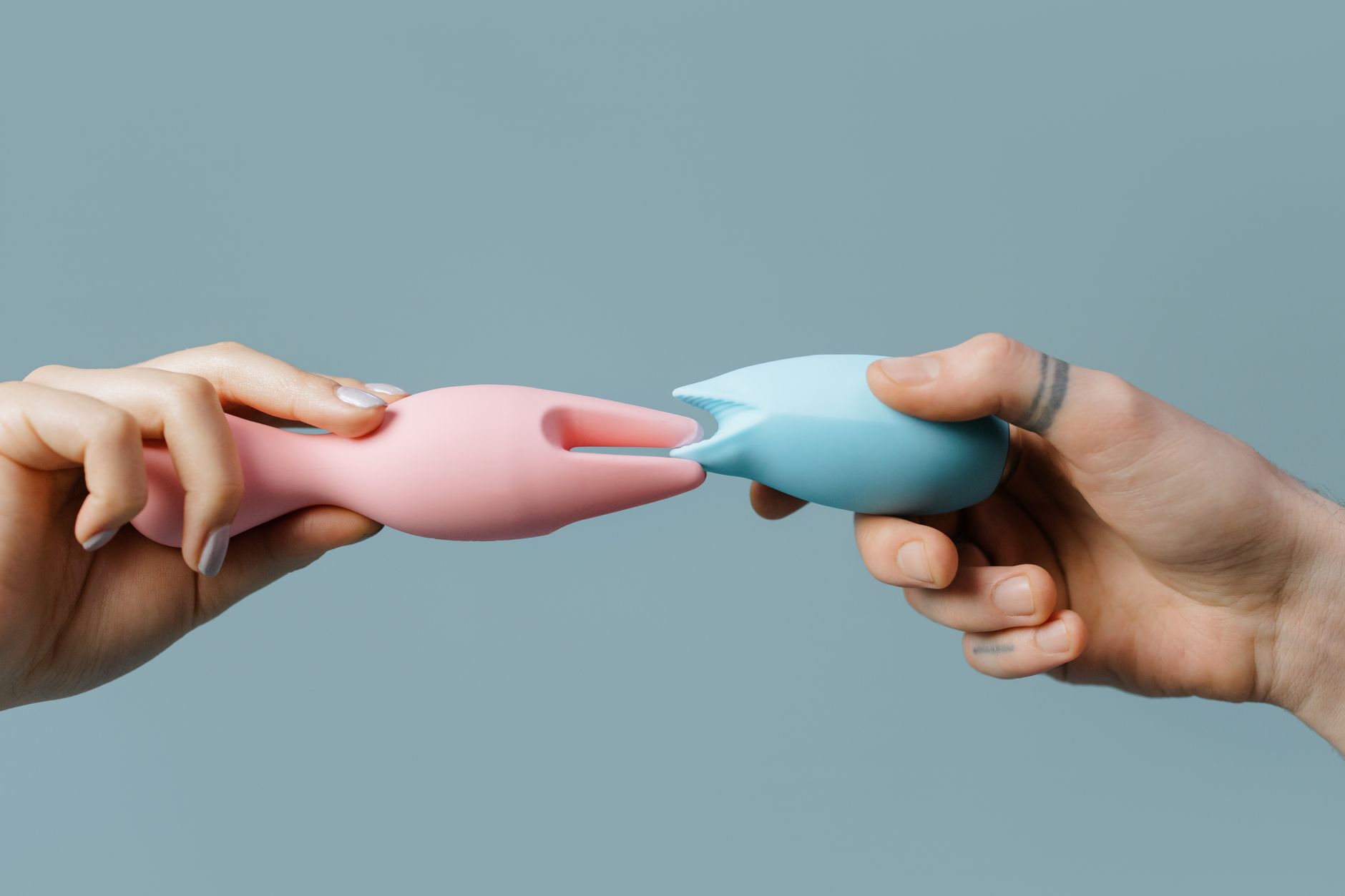
Photo by cottonbro studio on Pexels
Rebuilding your pleasure timeline
Most people see noticeable sensation changes within 4-8 weeks of gentle lemon vibrator use during recovery. Some see shifts within days. Others take 3-4 months. Your timeline isn't wrong if it doesn't match someone else's.
What usually happens: first you notice subtle warmth or tingling. Then you start feeling the Lem's pulsing more clearly. Then arousal starts building a little faster. Then sensations that were muffled start sharpening. Then you reach for a little more intensity because your nervous system is ready for it.
Each of these steps is your body saying yes, healing is happening, we're ready for the next phase.
When you do start feeling like your sensation is returning, that's when you might explore lemon sexual toys with different intensity patterns or settings. But during recovery, simpler is always better. The gentle suction of a lemon clitoral vibrator does the job your nervous system actually needs.
People also ask
How long after surgery can I use a clitoral vibrator?
Most doctors clear you for penetration or external stimulation 4-6 weeks after abdominal or pelvic surgery. Ask specifically about external clitoral stimulation, since that's different from internal activity. Once cleared, start with the lowest intensity setting and short sessions. Your doctor's timeline is physical clearance. Your nervous system recovery timeline may take longer.
Will using a lemon vibrator during recovery speed up sensation coming back?
Gentle, consistent stimulation helps your nervous system remember pleasure pathways, but it's not magic. What it does is prevent deconditioning. By using lemon clitoral vibrators gently during recovery, you're keeping those pathways warm so sensation has less distance to travel when it returns. Think of it like keeping a muscle engaged during rehab, not like forcing the muscle to work harder.
Can I hurt myself by using a vibrator while still healing?
Not if you respect two rules: only external stimulation on externally cleared areas, and stop if pain appears. Pleasure and gentle sensation won't harm healing tissue. Sharp or burning pain will. Your nervous system sends clear signals. Listen to them.
What if sensation still feels muted after months of using a lemon vibrator?
Check three things: medication side effects (some drugs permanently alter sensation and you might need to discuss alternatives with your prescriber), ongoing pelvic floor tension (a PT can identify this), and whether you're using enough lubrication. If all three check out and sensation still isn't returning, that's worth a conversation with your doctor or a sexual health specialist. Persistent numbness can sometimes indicate ongoing nerve healing that needs different support.
Is it normal to feel overstimulated by a lemon vibrator during recovery?
Completely normal. Your nervous system is extra sensitive. Try the lowest setting, use it for shorter periods, or even try it without turning it on at first, just to let your body get used to the sensation. Overstimulation isn't a sign you shouldn't use it. It's a sign to dial back the intensity until your nervous system catches up.
Can I use a lemon vibrator if I had pelvic floor physical therapy?
Yes, once your PT clears you. Actually, lemon clitoral vibrators can support PT progress because they help your pelvic floor remember that relaxation and pleasure go together. Your PT wants you to rebuild sensation and arousal. A lemon vibrator is a useful tool for that conversation with your PT.
You're not behind, you're healing
Medical recovery rewires more than just the specific area your doctor treated. It touches your nervous system, your confidence, your sense of what your body is capable of. Using a lemon clitoral vibrator during this time isn't about performance or proving something. It's about sending a signal to your body: "You're safe. Pleasure is still possible. We're rebuilding together."
That signal matters more than the vibrator itself. The Lem just makes it easier to send. Start low, stay patient, listen to your body, and trust that sensation rebuilds faster than you think when you're not fighting it.
If you have questions about your specific recovery timeline or how lemon vibrators might fit into it, reach out. We're here to help you get back to the fullness of your body, whatever that looks like for you right now.