Let's name the guilt first
Here's the thing about masturbation guilt in relationships. It almost never comes from your partner. It comes from your parents' silences, your teenage shame spirals, religious messages that didn't stick but somehow still live in your nervous system, and this weird cultural assumption that solo pleasure is somehow a betrayal of couplehood. None of that is true. And all of it is real.
Most people I work with who feel guilty about using lemon vibrators for solo play aren't actually worried their partner will be angry. They're worried it means something about the relationship that isn't true. That they're not satisfied. That they're cheating (they're not). That wanting their own pleasure is selfish (it isn't). That a lemon clitoral vibrator is a replacement instead of a tool (it's a tool).
Let's untangle that.
Where the guilt actually lives
The guilt usually sits in one of three places.
First, the old story. You absorbed messages early: good girls don't, sex is for men, your pleasure doesn't matter, wanting things is greedy. These aren't rational arguments you're making now. They're neural grooves worn deep by repetition. Your brain fires the guilt reflex before you even consciously decide to feel it.
Second, the partnership anxiety. You have a partner, and somewhere in there is a fear. If I want solo pleasure, does that mean I don't want them? If I prefer the Lem sometimes, does that mean something's wrong? If I need forty minutes alone with myself, am I rejecting them? The answer to all three is no. But the fear is real, and it deserves to be named instead of swallowed.
Third, the shame of wanting. This is the quietest one. It's not about judgment from outside. It's an internal flinch at admitting you have desires that exist separate from anyone else. That you're not always available. That you have a sexuality that isn't relational. Wanting that feels somehow indulgent or broken.
None of these are character flaws. They're patterns. And patterns can shift.
The clinical part: what actually happens when you masturbate
Let me give you the data because sometimes the rationality helps quiet the noise.
When you have solo pleasure, your brain releases dopamine, oxytocin, and serotonin. These neurochemicals improve mood, reduce stress, and actually strengthen emotional regulation. You're literally becoming calmer, more resilient, and more available to your partner. You're not depleting anything. You're refilling your own tank.
Regular solo pleasure also keeps your sexual self alive. When you're in a long-term relationship, there's a real risk that sex becomes collaborative only. You stop learning your own body, your own responses, your own desires. Then when you show up with your partner, you're operating from old data. Lemon vibrators, used solo, are actually a way of staying in conversation with yourself. Of remembering what turns you on. Of keeping that part of you awake and curious.
For people with partners, solo play often makes partnered sex better. You know what works. You're not waiting for them to figure it out. You arrive with clarity instead of hope.
How to separate the guilt from the action
The guilt won't vanish overnight. But you can stop letting it make your decisions.
Name it without believing it. When you feel the guilt rise, get specific. Is it "I'm being selfish"? Is it "My partner will feel hurt"? Is it "Good people don't do this"? Name the actual thought. Then ask: is this mine, or did I borrow it? Most guilt thoughts aren't yours. They're inherited. The moment you notice that, they lose some power.
Separate solo pleasure from your relationship. This is important. Solo pleasure is not relationship commentary. Using a lemon clitoral vibrator alone doesn't mean anything about your desire for your partner. It means you're taking care of yourself. Those are different categories. A therapist colleague of mine uses this frame: partnered sex is about connection; solo play is about maintenance and self-knowledge. Both can exist without the second one threatening the first.
Tell your partner if you want to. Not because you owe them access to your sexuality. You don't. But because shame grows in silence, and trust grows in honesty. You don't need permission. But you might need them to know. Something like: "I've been using solo time to get to know my body better. It helps me feel more clear about what I like, and it actually makes me feel more present with you." That's the truth. They might surprise you by being relieved.

Photo by cottonbro studio on Pexels
Why lemon vibrators specifically help with guilt
This might sound odd, but the design of air-suction clitoral vibrators like the Lem actually shifts something about how people relate to solo pleasure.
First, they feel less like a replacement. Lemon vibrators use suction and gentle pulsing instead of intense vibration, which creates a sensation that's wildly different from partnered sex. That difference is actually helpful because it makes clear: this is its own thing. It's not a substitute. It's a mode.
Second, they're built for sustained pleasure without strain. Traditional vibrators require constant intensity. With lemon sexual toys, you can layer in rhythm changes, pressure variations, speed adjustments. It feels more like self-care and less like consumption. People describe it as more meditative. That frame helps quiet the guilt.
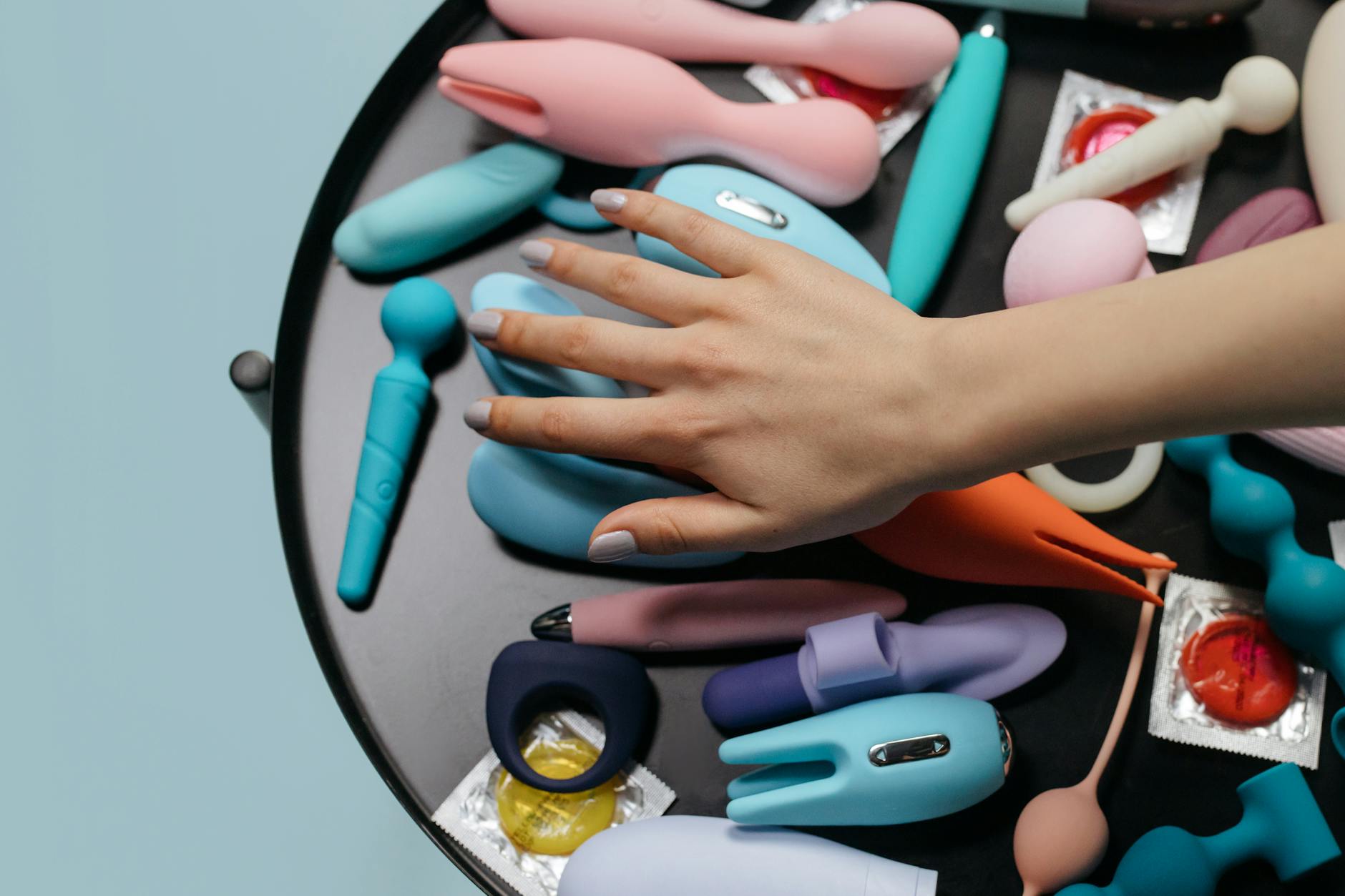
Third, there's something about the aesthetic. Lemon vibrators come in colors and shapes that feel intentional rather than clinical. You're not hiding shame equipment. You're holding a tool you chose, deliberately, for yourself. That small shift from hiding to choosing can reshape the whole experience.
The conversation with your partner, if you decide to have it
If you're with a partner and the guilt is partly about them, this conversation might help.
Start before you're activated. Not during sex or when you're already feeling weird about it. Pick a calm moment. Say something like: "I want to talk about something I've been processing. I've been feeling guilty about solo pleasure because of old messages I picked up. I'm working on that. I wanted you to know because I don't want that shame to keep me from something that actually helps me."
Then wait. Let them respond. Many partners actually feel relief hearing this. It's not rejection. It's self-care. And self-care is hot.
If your partner expresses insecurity ("Does this mean you don't want me?"), you can say: "No. This is about staying connected to myself so I can show up better for us. It's separate." That's not defensive. It's clear.
If they say nothing's wrong, great. If they express discomfort, that's worth exploring together. But notice the difference between their actual reaction and your predicted guilt. Most of the time they're not the same.
How to actually use a lemon clitoral vibrator without the weight
Once you've untangled some of the guilt, here's how to use them.
Set a time, not a goal. Don't go in trying to orgasm. Go in to explore sensation. Give yourself fifteen to twenty minutes where the only objective is to notice what feels good. That removes the performance pressure that often sneaks guilt in through the back door.
Start slow. With lemon vibrators, start on pattern one or two. Let sensation build gradually. This isn't about efficiency. It's about presence.
Notice what your body wants. Does it want steady suction? Does it want pulsing? Does it want you to build up pressure or ease it down? Your body's preferences will tell you things about yourself you didn't know. Write them down if that helps. Make your solo time about becoming an expert on yourself.
End when you want, not when you think you should. Solo pleasure doesn't have a timer. You can stop at pleasure without orgasm. You can stop after orgasm. You can come multiple times. There is no wrong answer. The guilt loves to sneak in here and make you feel like you should orgasm faster or longer or differently. Ignore that voice.
The longer-term shift
Guilt usually doesn't disappear all at once. But it does weaken with repetition. Each time you use a lemon vibrator solo without shame, you're building a new neural pathway. The old "this is wrong" message gets quieter. The new "this is self-care" message gets louder.
After a few months of regular solo pleasure, most people notice something shifts. The guilt doesn't vanish, but it stops driving the decisions. You're using lemon sexual toys because they feel good, not because you're fighting shame or proving something.
And here's the thing nobody tells you: once you've built that relationship with yourself, your whole sexuality changes. You have more clarity. More presence. More actual pleasure. And that does show up in partnership. Not because you're performing better, but because you know yourself better.
That's not selfish. That's the opposite.
People also ask
Is it normal to feel guilty about masturbation when you're in a relationship?
Completely. Most people internalize messages that solo pleasure is wrong or that partnership should mean you don't need it anymore. Those messages aren't based on anything real. They're cultural noise. The guilt is normal. Acting on it anyway is brave.
Will my partner feel hurt if I use lemon vibrators solo?
Unless they've explicitly told you otherwise, your partner's feelings about solo pleasure are their own work to do. You're not responsible for managing their insecurity. That said, if you want to tell them, most partners actually appreciate the honesty. It's not rejection. It's clarity.
Do I need to tell my partner I'm using a lemon clitoral vibrator alone?
No. You don't owe anyone access to your solo sexuality. But shame often grows when we keep things hidden. If the secrecy is adding to the guilt, telling them might help. If you're hiding it out of genuine privacy preference, that's different. Do what serves you.
Will using lemon sexual toys alone make me less interested in my partner?
No. The opposite is usually true. Solo pleasure that's shame-free actually increases desire and presence. You show up more whole when you're not depleting yourself trying to be everything for someone else.
How often should I use a lemon vibrator solo?
As often as you want. There's no quota. Some people use them weekly. Some use them a few times a month. Your body will tell you what feels right. There's no "too much" unless it's interfering with your life (which almost never happens).
What if my guilt doesn't go away?
That's a signal to work with a therapist on where the guilt came from. Sometimes guilt isn't just old messages. Sometimes it's worth exploring deeper. And that's okay. Therapy can help you trace the guilt back to its source and actually metabolize it instead of just white-knuckling through.
The bottom line
Your pleasure is not a betrayal. Solo satisfaction doesn't mean partnership isn't enough. Using lemon vibrators or any clitoral vibrators alone is an act of self-knowledge, not selfishness. The guilt you're feeling isn't evidence that anything's wrong. It's evidence that you've absorbed a message that doesn't belong to you.
You get to want things for yourself. You get to explore your body without permission. You get to use tools like a Lem to become an expert on what turns you on. And you get to do all of that while being in a committed relationship. Those things aren't in conflict.
The moment you stop waiting for permission and start claiming your own pleasure as a legitimate part of your life, something shifts. The guilt doesn't always vanish immediately. But it stops being the boss of you.
Start with that. Everything else follows.