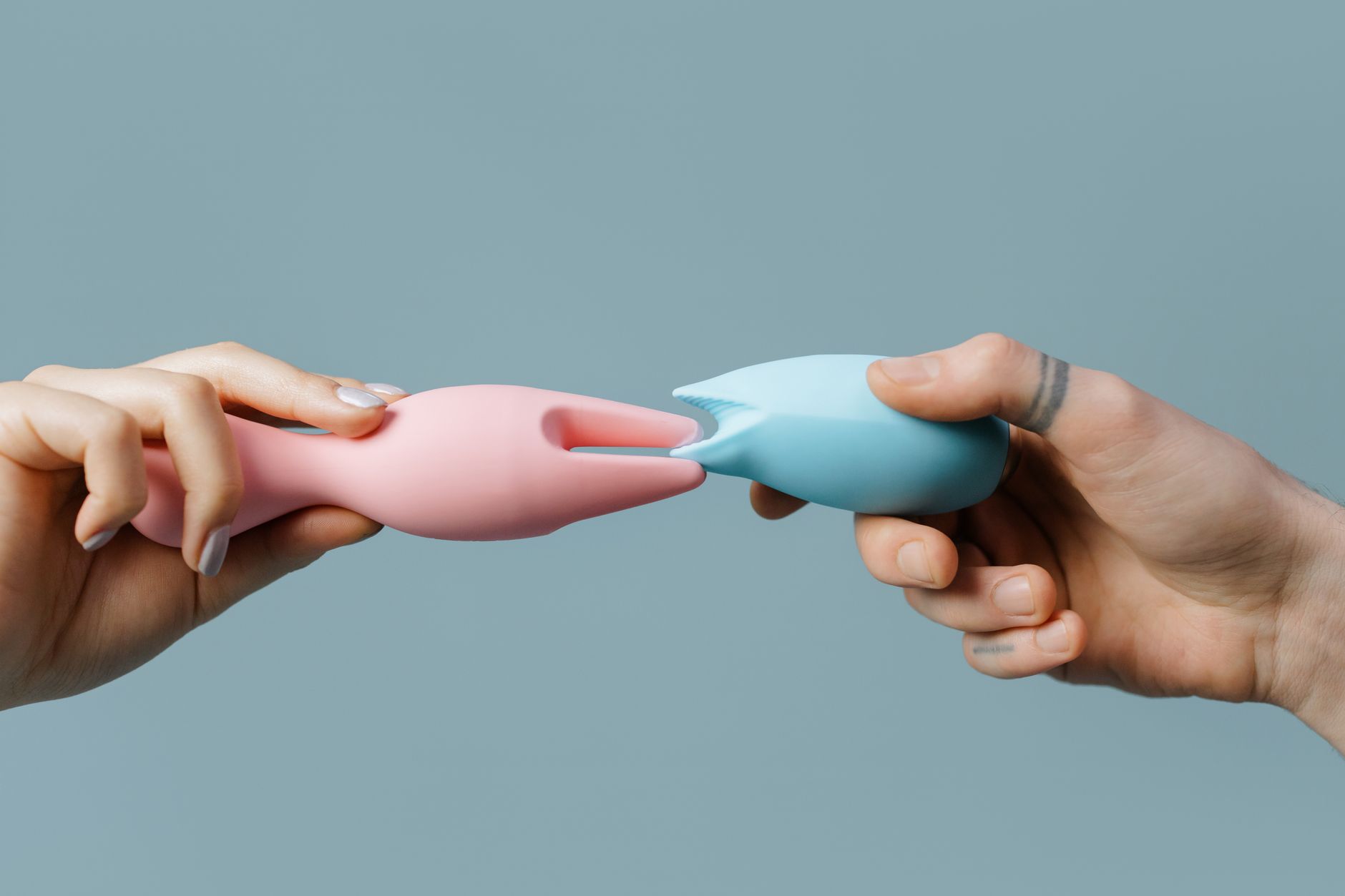
The tension nobody talks about
Here's the thing. Your partner wants to be inside you. You want direct clitoral stimulation to actually come. Both of those things are completely reasonable. And somehow, they've turned into enemies in your head.
This isn't a compromise problem. It's an integration problem. And once you reframe it, the solution gets obvious.
Why clitoral stimulation during penetration matters
About 65-70% of people with vulvas need direct clitoral contact to orgasm during partnered sex. That's not a malfunction. That's your baseline wiring. Penetration alone, for most people, feels good but doesn't land the orgasm.
Your partner probably knows this intellectually. But there's a difference between knowing it and feeling it. Some partners internalize penetration-focused sex as "real" sex, and anything else feels like a consolation prize. That story has to go.
The good news: a clitoral vibrator like the Lem doesn't compete with penetration. It amplifies the whole experience. Your partner is doing their part. The vibrator handles the thing their body can't reliably do alone. That's not replacement. That's collaboration.
The conversation before anything happens
Let's skip the awkward "I need a vibrator to come" speech, because that's not what this is.
Instead, try: "I've been thinking about how we could both get exactly what we want without it feeling like a trade-off. I can come from clitoral stimulation during penetration, and I'd love to use my Lem while we're together. That way we both get the full experience." That's honest and action-oriented.
If your partner resists, you need to understand why. Is it insecurity (they think the vibrator means they're not enough)? Discomfort with sex toys in general? A mismatch in what sex means to them? Those are different conversations with different solutions. But don't skip the conversation. Resentment builds fast when someone feels bulldozed.
How to physically integrate it
There are three main positions that work well:
Missionary or face-to-face variation. You hold the Lem between your bodies while they enter. This gives you direct clitoral contact and keeps eye contact and closeness. The vibrator sits flat against your skin, and they feel the vibration through their own body. Many partners find this intensifies their sensation too.
From behind. You're in control of the vibrator's placement and pressure since you can reach it easily. They're providing the thrusting rhythm. The Lem's small size means it doesn't interfere with their movement.
You on top. Full control over depth and pace for both of you. You can angle the vibrator exactly where you need it, and they can stay still or move as much as you want. This position often gives partners the clearest view of what's happening, which reduces anxiety.
Start slow. Five minutes of penetration before introducing the vibrator. This keeps the buildup from feeling rushed and lets both of you settle into the rhythm first.
The timing piece
Don't wait until you're already frustrated. Introduce the vibrator early enough that it's part of foreplay, not a last-minute fix. This changes the narrative from "I need help" to "let's both feel good."
Most people need about 10-15 minutes of clitoral stimulation (with or without penetration) to reach orgasm. Plan for that. If your partner comes first, the vibrator is already in your hands, and you can keep going. If you're close and they finishes, they can slow down or pull back slightly while you finish with the vibrator. Neither of you has to stop.
What actually changes in your nervous system
When you're not worried about "taking too long" or "needing too much," your entire nervous system calms down. You can actually feel what's happening instead of monitoring whether your partner is getting impatient. That shift alone often makes orgasm easier and more intense.
For your partner, the pressure to be the sole source of your pleasure lifts. Ironically, that usually makes them more relaxed, more present, and more able to enjoy what they're actually experiencing.
The lemon vibrators that work best for this
You want something small enough to fit between your bodies, quiet enough that you're not distracted, and powerful enough to deliver. The Lem is built exactly for this. It's designed for clitoral suction, not vibration, which means it works differently than a traditional vibrator. The sensation is concentrated and responsive, and it's small enough that it doesn't create awkward angles during partnered sex.
If you're still shopping, check out our guide to choosing the right clitoral vibrator. The right tool genuinely changes how this integration works.
Managing the emotional piece
If your partner has any lingering weirdness about this, address it directly. "I love being inside you. The vibrator isn't replacing that. It's letting me feel everything you're doing while also getting the stimulation I need to come." Specific and grounded.
Also be willing to listen to their side. Maybe they're worried about finishing too fast and looking like they don't care about your pleasure. Maybe they've had partners in the past who used a toy as a workaround for emotional distance. Those are real feelings worth understanding.
If you two have been struggling with mismatched pleasure timelines for a while, this might be the thing that finally makes sex feel mutual instead of transactional.
What happens if he comes first
Your partner finishes before you do. Totally normal. Here's what doesn't have to happen: him feeling guilty or you feeling abandoned.
Instead: he can stay inside if he wants (or pull out), and you keep the vibrator going. He can use his hand or mouth somewhere else. He can just be present and watch. The point is, the vibrator means you're not left hanging. You have what you need to finish, and he's part of that ending, not absent from it.
The thing nobody mentions
Most couples who integrate toys into partnered sex report that their sex life actually improves across the board. The conversation itself opens things up. Both people feel heard. The pressure drops. And once you've figured out one thing together, other conversations become easier too.
You're not compromising with a vibrator. You're building a whole new version of sex that works for both of you.
People also ask
Can you use a lemon vibrator during every time you have sex?
Yes, if you want. Some couples use it every time. Others bring it out when they have time and energy for longer sessions. There's no rule. Build it into your routine if it feels good, or use it when you know you need it. Your pleasure matters every single time.
What if your partner feels emasculated by the vibrator?
That's insecurity, not reality. A vibrator does something his body literally cannot do on its own—provide consistent clitoral suction or pressure from exactly the angle that triggers your orgasm. It's not a replacement for him. It's a tool that lets you both win. If this feeling comes up, get specific about what he's actually worried about. Most of the time, reassurance happens fast once it's named.
Is it better to use the vibrator during penetration or before or after?
All three work, depending on what you both want. Before: you get warmed up and more aroused, which makes everything that follows feel better. During: you get both sensations at once, which many people find intensely pleasurable. After: if he finishes first, the vibrator becomes your closing move. Experiment and notice what feels best.
How do you talk about wanting a vibrator without hurting your partner's feelings?
Start with the truth: "I want us both to feel good, and I've realized I need direct clitoral stimulation to come during penetration. That's not something your body can do. So I'd like to use a vibrator with you, so we're both getting what we need." Frame it as a tool for mutual pleasure, not as his failure. Because it's not.
What if you're still nervous about bringing it up?
Start smaller. Bring it into solo masturbation first while he's around, or mention it casually during a non-sexual moment. "I've been curious about the Lem. Would you want to try it together sometime?" Lower stakes, easier entry point. Most partners are more open than you expect once the shame is removed.
Can you use lemon clitoral vibrators if you've never used a toy before with a partner?
Completely. In fact, using it together for the first time often feels less intimidating than trying it alone first. You're doing it as a team, which changes the energy entirely. Just start with lower intensity settings and let your body adjust to the sensation.
The bottom line
You don't have to choose between your orgasm and your partner's pleasure. You don't have to fake anything or settle for less. A clitoral vibrator is just a tool that lets both of you get exactly what you need in the same encounter. It's not romance-breaking. It's clarity-building. And honestly, most couples wish they'd started sooner.