Let's start with the hard part
Vaginismus and pain during intercourse aren't rare. They're so common that most practitioners see multiple cases every week. What's rare is talking about them openly, which means most people who experience them feel alone and broken. Neither is true.
Here's what I know after twenty years working with couples through sexual pain: the nervous system is involved in almost every case, and that's actually good news. Because what the nervous system learned to do, it can learn to undo.
Lemon vibrators and lemon clitoral vibrators fit into this picture in a specific, practical way. This isn't about forcing penetration or pushing through pain. It's about teaching your body that pleasure is possible, and that you're safe.
What vaginismus and painful intercourse actually are
Vaginismus is involuntary muscle tension in the pelvic floor that makes penetration difficult or impossible. It's not psychological weakness. It's not a reflection of desire or commitment. It's your nervous system doing exactly what it was designed to do: protect you from perceived threat.
Painful intercourse (dyspareunia) can stem from vaginismus, but also from inflammation, endometriosis, pelvic floor dysfunction, hormonal shifts, or past trauma. The two often overlap, but they're not always the same thing.
The common thread: touch to the vaginal opening or inside the vagina triggers protective tension. The pelvic floor muscles clench. The body says no, even when the mind says yes.
This is where most people get stuck. They feel broken. Their partner feels rejected. The anxiety about pain creates more tension, which creates more pain. The cycle tightens.
Why lemon suction toys are different for bodies with sexual pain
Traditional vibrators rely on direct friction against tissue. For bodies with vaginismus or pain, friction can feel threatening. The pelvic floor tenses up in response, which makes everything worse.
Lemon clitoral vibrators work differently. The suction mechanism is gentle and diffuse. Instead of direct pressure on one spot, it creates a broader sensation that feels less invasive. For many people with sexual pain, this feels fundamentally safer.
Here's the physiology: suction stimulates the clitoris without requiring you to relax the vaginal opening. You can explore pleasure on your own terms, at your own pace, without the nervous system perceiving threat. That distinction matters because safety is the prerequisite for healing.

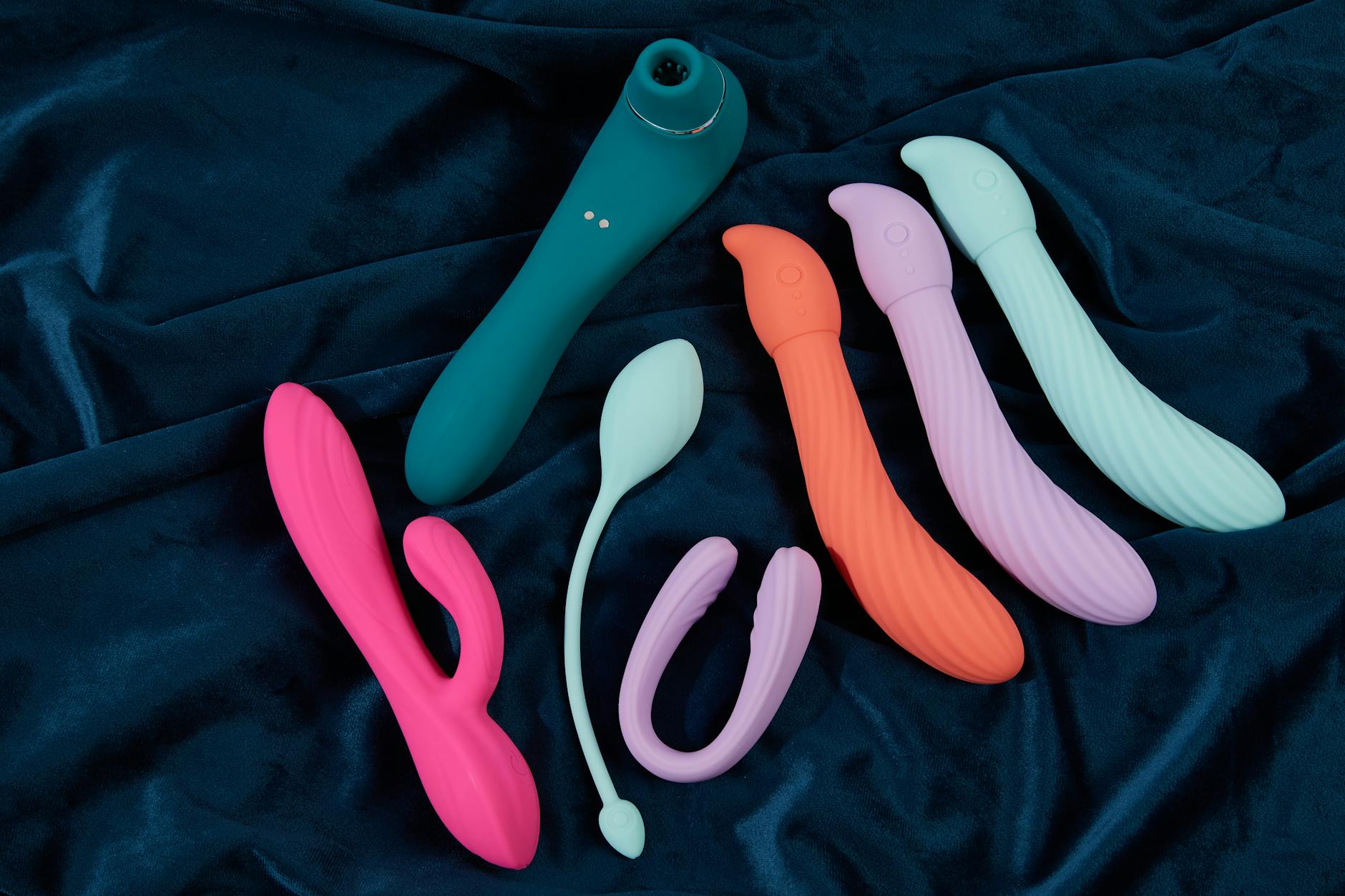
Photo by cottonbro studio on Pexels
Building comfort at your own pace
If you have vaginismus or pain during sex, the goal is not to jump to penetration. The goal is to rebuild your relationship with pleasure and your body's capacity to relax.
Start with external use only. A lemon vibrator on the external clitoris creates arousal and pleasure without any internal demand. This is the foundation. Many people find that regular external stimulation, without pressure to do anything more, gradually shifts the nervous system's baseline from "threat" to "safe."
When you're ready to explore further, slow down. Move to the vaginal opening only when you feel genuinely relaxed, not pressured. Use plenty of water-based lubricant. The goal is to build tolerance, which takes time, not to push through discomfort.
This isn't a fast process. Healing the nervous system takes weeks or months, not days. But the research is clear: gradual, self-directed exposure to pleasure in a safe context works. You're literally rewiring your nervous system's response to touch.
The role of your partner (if you have one)
Partners often feel helpless when their partner has sexual pain. They worry they're the cause. They feel rejected. They don't know how to help.
Here's what actually helps: patience and communication. Lots of it.
If you're in a partnership, be explicit about what you're doing with a lemon vibrator or lemon suction toy and why. Tell them: "I'm exploring pleasure on my own terms. This helps my nervous system learn that my body is safe. When I'm ready to include you, I'll tell you." This is not rejection. It's the path toward shared intimacy.
Your partner can be present without being penetrative. They can hold you. They can watch. They can use the toy on you with your guidance. But the key is consent and communication at every micro-step. Vaginismus often comes with a history of having your boundaries ignored, so rebuilding trust in your body's signals matters more than anything else.
When to see a specialist
A lemon vibrator is a helpful tool, but it's not a replacement for professional care. If you have vaginismus or pain during sex, consider seeing a pelvic floor physical therapist. They specialize in this exact issue and can rule out structural problems, teach you how to relax the pelvic floor, and guide you through desensitization.
If past trauma is part of your story, a trauma-informed sex therapist or somatic therapist can help you work through what's stored in your body. You don't have to heal alone.
Many people use lemon clitoral vibrators as part of a broader treatment plan that includes therapy and physical therapy. That combination is often what creates lasting change.
Reframing pleasure as healing
Here's what I've seen shift in couples: when someone with vaginismus starts using a lemon vibrator or another lemon sexual toy for self-exploration, something changes in their nervous system. Not overnight. But gradually, the association with touch shifts from "danger" to "neutral" to "pleasant" to "pleasurable."
This is not selfish. This is not avoiding your partner. This is medicine for your body.
Pleasure is actually a form of healing. When you experience pleasure safely, your nervous system learns a new story about what your body is capable of. That story then transfers to other contexts. Over time, the anticipatory anxiety about penetration decreases. The protective tension releases. Intimacy becomes possible again.
I encourage people to stop thinking of this as a problem to solve and start thinking of it as a skill to rebuild. Your body isn't broken. It's just learned to protect you really well. It can learn something different.
The practical toolkit
If you're exploring a lemon vibrator or lemon clitoral vibrator for the first time with vaginismus or pain, here's what I recommend:
Start with the lowest intensity setting. Suction toys like the Lem feel softer than they sound, but begin gentle anyway. Use plenty of water-based lubricant, even for external use, because it reduces friction and feels good. Give yourself at least twenty minutes. Arousal takes longer when your nervous system is in protective mode, and that's completely normal.
Use it solo first. Explore what feels good without any performance pressure or partner presence. This is about you and your body rebuilding trust.
If you have a partner, introduce them gradually. Show them what you like. Tell them what feels good and what doesn't. Let them know if your comfort level changes day to day. Your nervous system might be more or less activated depending on stress, sleep, hormones, and what's happening in your relationship.
Be patient with setbacks. Healing isn't linear. Some days you'll feel more open than others. That's not failure. That's your body having a conversation with you.
FAQ: Lemon Vibrators and Sexual Pain
Can a lemon clitoral vibrator help with vaginismus?
Yes, but as part of a bigger picture. A lemon vibrator or lemon suction toy can help you build comfort with pleasure and desensitize your nervous system to touch. But vaginismus also usually needs pelvic floor physical therapy and often therapy to address the roots. Use the vibrator as one tool, not the only tool.
Is it normal to feel more anxious when I first use a lemon vibrator if I have sexual pain?
Completely. Your nervous system might interpret even a gentle tool as a threat at first. This is why starting with external use only, in a relaxed environment, with no pressure to progress, matters. Anxiety usually decreases as your body learns the tool is safe.
Can my partner use a lemon suction toy on me if I have vaginismus?
Yes, but only if you want them to and you've communicated clearly about what feels okay. Many people find it helpful to use the toy on themselves first, to learn what sensations feel good and to establish a sense of control. Then, if you want, they can participate. The key is always your consent and your pace.
How long does it usually take for vaginismus to improve?
There's no universal timeline. Some people see shifts in a few weeks. Others take months. The research suggests that consistent, gradual exposure to pleasure in a safe context, combined with pelvic floor therapy, produces change in most cases. Patience and consistency matter more than speed.
What if a lemon vibrator doesn't help?
Then you might need a different approach. Some people find that a lower-intensity vibrator works better. Some need to address trauma or relationship dynamics first. Some need pelvic floor therapy before toys feel okay. Everyone's nervous system is different. It's worth exploring different tools, but always in concert with professional guidance.
Is it normal to feel guilty about using a lemon clitoral vibrator if I have a partner?
Extremely normal, and worth examining. Guilt often comes from the belief that pleasure outside your partner's body is somehow a rejection. It's not. Self-pleasure is part of sexual health, especially when you're healing. A partner who loves you will understand that exploring your own pleasure on your own terms is actually part of rebuilding desire and intimacy together. If they don't, that's a conversation worth having, possibly with a couples therapist.