Let's be real about postpartum pleasure
Your body just did something extraordinary. And now, maybe six weeks or six months in, you're wondering if pleasure is even still available to you, or if it's going to feel completely alien if you try.
Here's the thing: postpartum tissue feels different. Not broken, not permanently changed, but genuinely different in ways that make some toys feel too intense, too direct, or honestly uncomfortable. Lemon vibrators, especially the way they work with suction rather than traditional buzzing, can be revelatory for postpartum bodies. But you need to know why they feel different, and what intensity actually means when you're healing.
What happens to tissue after vaginal delivery
During pregnancy and birth, the tissues supporting your vulva and pelvic floor stretch significantly. Even if you had a relatively straightforward delivery, that tissue is inflamed, tender, and still rebalancing its nerve sensitivity for months afterward. The skin is thinner. The muscle underneath is fatigued and needs to rebuild its coordination. Sensations that felt normal before now feel sharp or overwhelming.
Add hormonal shifts to the mix, especially if you're breastfeeding. Prolactin suppresses estrogen. Lower estrogen means vaginal tissues produce less natural lubrication and become more delicate. Everything becomes more sensitive in ways that can feel either good or painfully exposed, depending on what you're doing.
This is not permanent. But it is real, and dismissing it (as some providers do) means you either avoid pleasure entirely or choose the wrong tools and wonder why they're uncomfortable.
Why lemon vibrators work better for postpartum bodies
A traditional vibrator sends direct, rhythmic buzzing straight into tissue. That works great when tissue is thick and resilient. Postpartum tissue needs something different.
Lemon clitoral vibrators use gentle suction paired with subtle pulsing patterns. That suction is crucial. Instead of pressing directly onto delicate, tender tissue, the gentle suction stimulates the nerves without the aggressive friction. It's like the difference between rubbing a healing wound and carefully lifting the edges with something soft.
The Lem, for example, starts at lower intensity levels (1-3) that feel almost soothing rather than stimulating. You're not hammering a sensitive area. You're inviting arousal gradually, which is exactly what postpartum nervous systems need.
Second, lemon sucker toys work brilliantly alongside the pelvic floor changes. During pregnancy, the pelvic floor muscles get stretched and sometimes damaged (even without tearing). They need time to regain their normal tone and coordination. Suction stimulation actually helps activate those muscles gently, rather than forcing them into a rhythm they're not ready for.
Timeline for when pleasure returns
Let's separate medical clearance from actual readiness. You might get the green light from your OB at six weeks, but that doesn't mean your tissue wants a vibrator yet.
Weeks 1-6: Don't. Your body is bleeding, inflamed, and focused entirely on immediate recovery.
Weeks 6-12: Check with your provider, but also check with yourself. Can you move without soreness? Does light touch feel okay, or does everything feel tender? If you're still having pain during basic movement, introduce any vibrator very, very gently if at all.
Months 3-6: This is when many people are ready to explore again. Tissue has rebuilt. Inflammation has calmed down. But intensity still needs to be low. Start with pattern 1 or 2 on the Lem. Think of it as introducing your nervous system back to pleasure, not testing endurance.
Month 6 and beyond: Intensity tolerance typically starts climbing as tissue continues to stabilize. But every body is different. Some people are ready to explore higher patterns by month 4. Others need longer.
If you've had a C-section, the timeline is similar, but the tissue involved is different. You're not recovering from vaginal stretching, but from abdominal surgery and the hormonal shifts of recovery. Suction toys are still easier than direct vibration because there's no pressure on healing scar tissue or surrounding nerves.
How to introduce a lemon clitoral vibrator safely
Three rules that matter:
Start solo. Your first time exploring pleasure postpartum is not the moment to manage someone else's energy or expectations. You need to focus entirely on what your own body is telling you. That might sound obvious, but a lot of people skip this step because they think they're supposed to be available to a partner right away. You're not. Your pleasure comes first.
Use plenty of lubrication. Water-based lube is essential. Even if you don't feel like you need it logically, use it anyway. Postpartum tissue often doesn't produce lubrication the way it used to, and introducing a lemon sucker to completely dry tissue can feel scratchy or uncomfortable. Lube changes everything.
Start with pattern 1. Do not skip ahead. The Lem has multiple intensity levels and patterns. Pattern 1 is designed to feel gently stimulating, almost like a light massage with a pulse. That's the entrance. After a few sessions at that level, if it feels consistently good, try pattern 2. This isn't about being timid. It's about letting healing tissue adapt at its own pace.
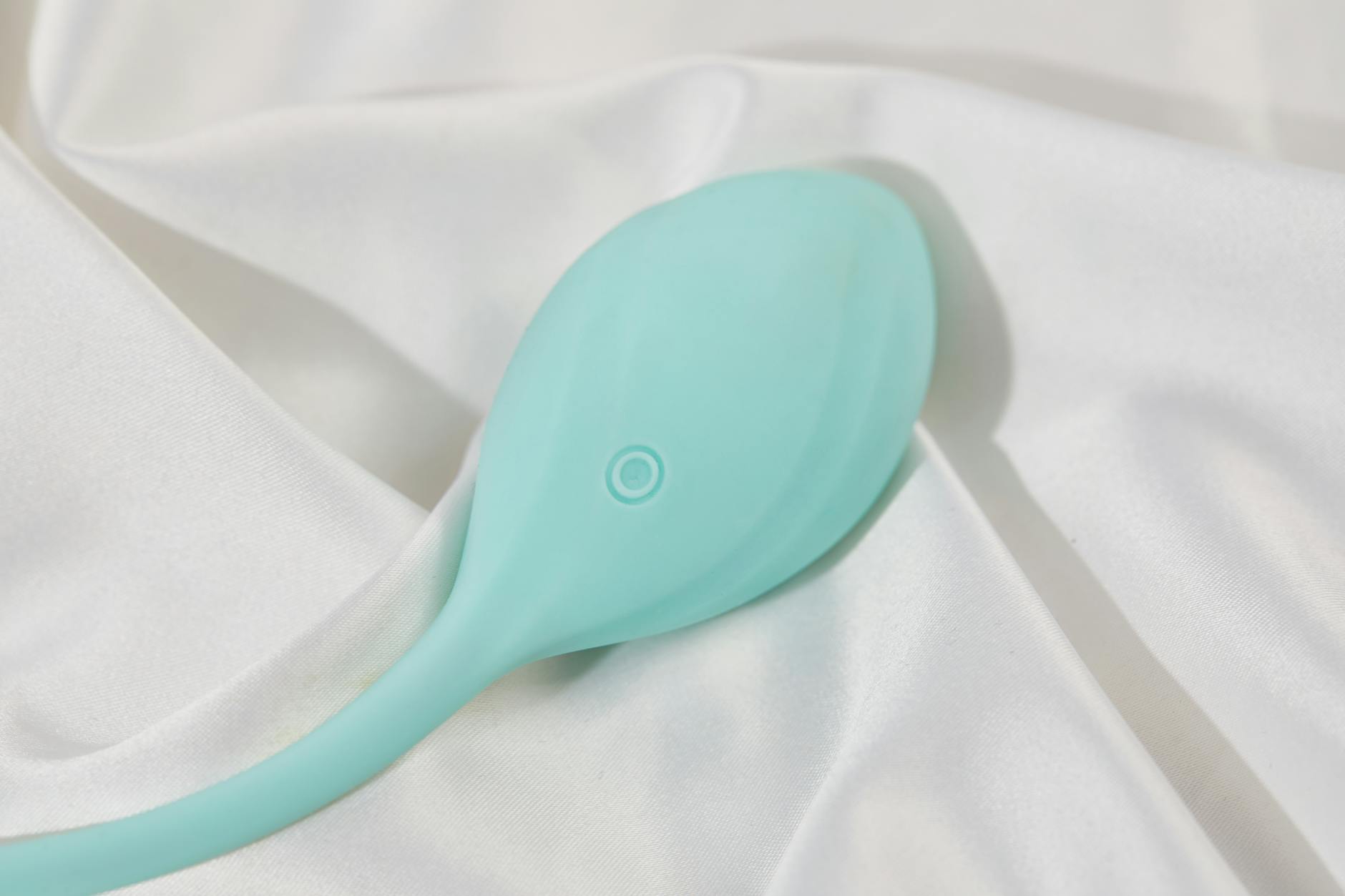
Photo by IFONNX Toys on Pexels
When postpartum intensity feels different (and that's okay)
You might notice that orgasms feel muted, or slower to build, or surprisingly intense. All of these are normal. Your nervous system has been through something big. Its sensitivities have shifted. The pelvic floor muscles work differently when they're still rebuilding.
Some people describe orgasms as feeling more localized or concentrated, especially if they're using a lemon clitoral vibrator. That's because suction stimulation focuses nerves more directly than traditional vibration. It's not less intense so much as differently intense.
If you're struggling to orgasm at all postpartum, that's also common. Some of it is physical healing. A lot of it is psychological. You've been touched constantly by a baby. You might feel touched out. You might be exhausted. You might be grieving the body you had before, even if you love being a parent. Pleasure doesn't come back on a schedule. It comes back when your whole nervous system feels safe and interested.
How to use a lemon vibrator when your body feels unfamiliar covers some of these psychological shifts in more detail. It's worth reading whether you're postpartum or navigating other body changes.
Talking about this with your partner
If you have one, your partner needs to understand that this phase is not about them. It's not rejection. It's not that you don't want them. It's that your body is healing and needs a very specific set of conditions to feel safe with touch again.
The conversation to have is not "I don't want you to touch me." It's "I want to rebuild this with you, and I need us to start slowly so I can stay present." That might mean exploring with a lemon clitoral vibrator on your own first, then later inviting your partner to join. Or it might mean learning how to use a lemon vibrator with your partner in ways that feel good for your recovering body.
The most important thing: your partner needs to know that when you're ready, lemon vibrators exist and they're not a threat to anything. They're a tool for you to rebuild your own pleasure on your timeline.
When to check in with a provider
If you're past six months postpartum and sex or any kind of stimulation still causes pain, that's worth mentioning to your OB or midwife. Sometimes scar tissue forms in ways that need attention. Sometimes the pelvic floor gets stuck in a protective pattern and needs a physical therapist. Sometimes hormonal shifts are still off and can be addressed.
None of this means you're broken. It means your body needs a little specialized help, and that help exists.
Also, if you've had significant tearing or a fourth-degree tear, or if you had a C-section with complications, your pelvic floor might benefit from working with a pelvic floor physical therapist before returning to any kind of penetration or intense stimulation. They can show you what's healed and what still needs support.
The truth about pleasure coming back
Postpartum is not the end of your sexual life. It's a reset, sometimes a reimagining. Many people find that once they're on the other side of those early months, their pleasure feels different because they know their body better, or because they finally have permission to explore without the pressure of fertility cycling.
A lemon vibrator can be part of that reentry. It works with the tissue you have right now, not against it. It lets you rebuild pleasure at a pace that feels safe. And it's quiet enough that you can use it even when a baby might wake up at any moment, which is honestly the most practical thing about it.
Give yourself time. Use lubrication. Start low. And know that what you're feeling is normal, temporary, and completely manageable with patience and the right tools.
FAQ: Postpartum pleasure and lemon vibrators
How long after delivery should I wait before using any vibrator?
Medical clearance is usually around six weeks, but that's a starting point, not a finish line. Your tissue needs that time to stop actively bleeding and start rebuilding. Using a vibrator before six weeks would be introducing unnecessary risk of infection or aggravating an already inflamed area. After six weeks, listen to your body. If you still have pain with basic activity, wait longer. If you feel ready, start with the lowest intensity.
Will a lemon clitoral vibrator feel better than a traditional vibrator postpartum?
Most likely, yes. Suction-based stimulation is gentler on healing tissue because it doesn't require direct pressure or friction. Traditional vibrators buzz directly into tissue, which can feel overwhelming or uncomfortable when that tissue is still tender. That said, if you find any vibrator uncomfortable postpartum, that's normal. Some people aren't ready for any kind of toy for several months. That's okay.
Can I use a lemon vibrator while breastfeeding?
Yes. The hormonal changes of breastfeeding do affect tissue sensitivity and lubrication, but using a lemon vibrator won't affect your milk supply or harm the baby. Just be aware that sensation might be different than you remember. Prolactin (the hormone that drives milk production) suppresses estrogen, which can make tissue more delicate. Use extra lubrication and start at lower intensities.
What if using a lemon sucker toy triggers pain or spotting?
Stop and rest. Spotting or pain during intimate activity postpartum might mean tissue is still healing or there's low-grade inflammation. It's not dangerous on its own, but it's your body saying "not yet." Give it more time. If pain persists weeks or months postpartum, or if it gets worse, mention it to your provider. Sometimes scar tissue or pelvic floor tension needs specific intervention.
Is it normal if I can't orgasm postpartum even with a lemon vibrator?
Completely normal. Orgasm requires your nervous system to feel safe, your body to be present, and a whole cascade of physical and emotional conditions to align. Postpartum, you're often exhausted, touched out, adjusting to a new identity, and managing significant bodily changes. Even if you had no trouble orgasming before, this is a different context. Give yourself grace. The capacity returns. The timeline is different for everyone.
Can I use a lemon clitoral vibrator if I had a C-section?
Yes, absolutely. You're not recovering from vaginal stretching, so the tissue involved is different. But you are recovering from abdominal surgery and the same hormonal shifts that come with postpartum. Start at low intensities, use lubrication, and avoid putting pressure on your scar or the surrounding area. If touching near your scar causes discomfort or triggers emotional responses, that's normal too. Your nervous system is protecting the injury site.
Your body is not broken postpartum. It's healing, reshaping, and recalibrating. Lemon vibrators are designed to work with that process, not against it. Use them gently, use them when you're ready, and remember that your pleasure timeline belongs entirely to you.