How clitoral sensation actually changes over time
Let's get real. Your clitoris isn't aging the same way your knees are. But it is changing, and pretending otherwise wastes years of potential pleasure.
Here's what happens: the clitoral glans loses some of its elasticity over time. Blood flow patterns shift slightly. The tissue covering the clitoris may feel a little less responsive to traditional vibration. Many people report that direct stimulation that used to send them wild now feels either dull or, paradoxically, too intense. Neither feeling means you're broken. It means your clitoris is telling you it needs a different approach.
Why friction-based toys stop working the same way
Most vibrators rely on oscillation—back-and-forth movement that requires a certain amount of clitoral firmness to transmit sensation effectively. Think of it like this: when tissue is less elastic, that vibration wave disperses differently. The nerve endings are still there. The capacity for pleasure hasn't gone anywhere. But the delivery mechanism has become inefficient.
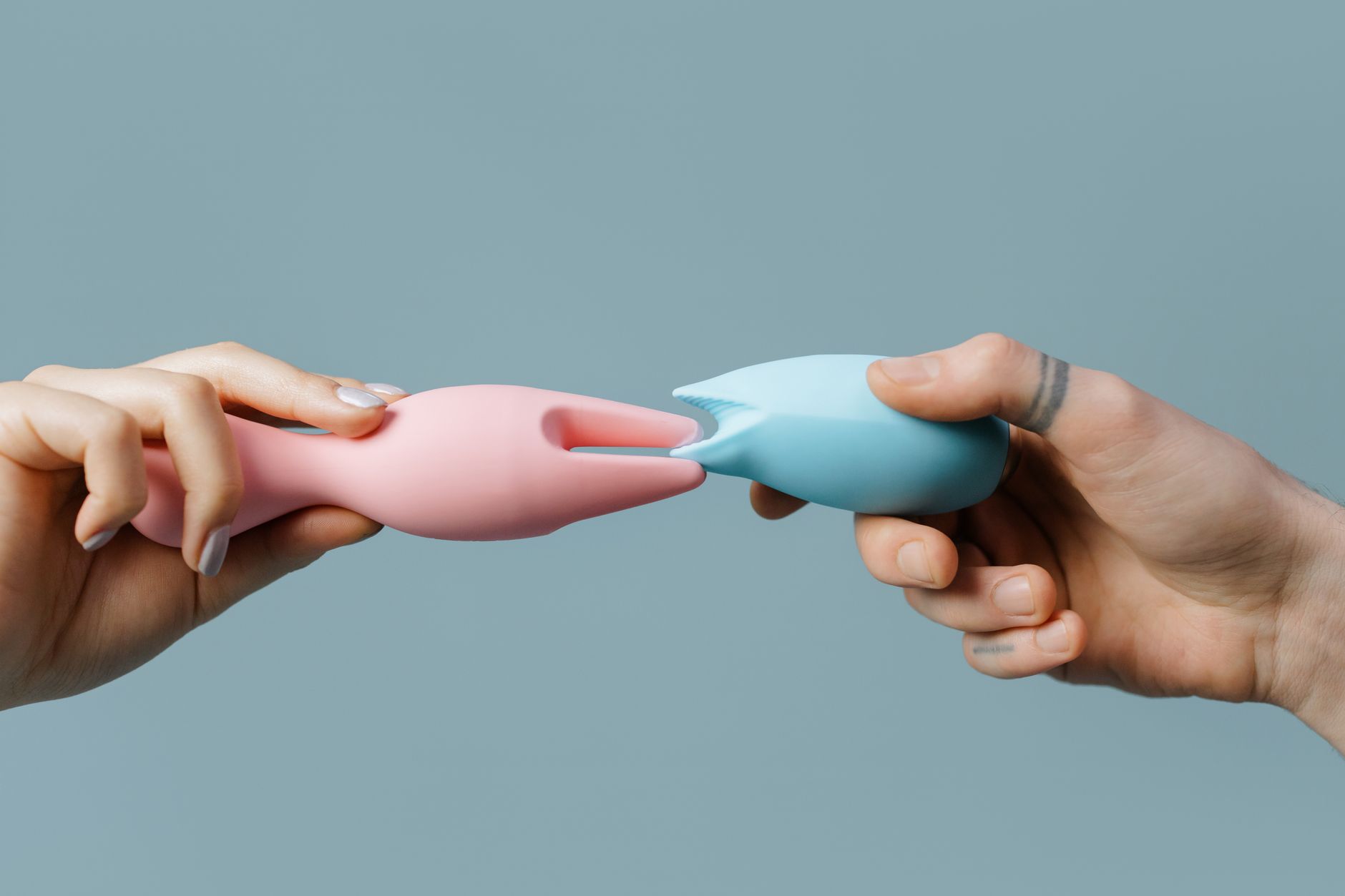
This is where lemon vibrators change the game. Suction-based stimulation doesn't rely on friction or elasticity. It works by creating gentle pressure and release cycles that stimulate the clitoral nerve endings through a completely different neural pathway. It's not that suction is "newer" or "better" in some abstract sense. It's that it bypasses the exact mechanical problem that age-related tissue changes create.
When you use a lemon clitoral vibrator, you're not fighting against your body's natural changes. You're working with them.
The physiological shifts nobody talks about
Three things happen to clitoral tissue as we age, and understanding them changes everything about how you approach pleasure.
Loss of collagen elasticity. Your clitoris contains erectile tissue—yes, like a penis. That tissue responds to blood flow and arousal signals. Over time, collagen breaks down slightly, which means the tissue doesn't "plump up" quite as dramatically during arousal. The glans may feel less prominent or responsive to light touch. This isn't permanent dysfunction. It's a structural shift that calls for different stimulus intensity or type.
Nerve sensitivity redistribution. The clitoris has roughly 8,000 nerve endings, and they don't age uniformly. Some become slightly less responsive to vibration while others actually become more sensitive to pressure and suction. That's why something that felt amazing at 25 can feel overwhelming or underwhelming at 45, 55, or 65. Your nerve endings are literally reorganizing their response patterns.
Hormonal influence on vascularity. Estrogen helps maintain blood vessel tone and clitoral engorgement. As hormone levels change—whether from age, medication, or other factors—blood flow to the clitoris can become slower or less pronounced. This means arousal takes longer to build and the clitoris may not engorge as fully. Suction directly addresses this by creating negative pressure that draws blood into the tissue, essentially replacing what hormonal decline has made less automatic.
Why lemon vibrators work when regular vibrators feel flat
Lemon suction toys work through four mechanisms that align perfectly with how clitoral tissue responds as it ages.
Mechanism one: bypass elasticity requirements. Suction doesn't need the tissue to be maximally firm. It works equally well on tissue that's less engorged, which means you get stimulation even during the slower arousal ramp-up that age often brings.
Mechanism two: stimulate multiple nerve pathways simultaneously. Vibration hits one primary nerve response. Suction creates rhythmic pressure changes that engage surface nerves, deeper pressure sensors, and the clitoral body simultaneously. Older nerve endings often respond better to this multi-layered stimulation.
Mechanism three: increase local blood flow actively. Rather than waiting for arousal to happen naturally, suction immediately increases blood flow to the clitoris. This means faster engorgement, which means faster arousal, which often means easier orgasm. It's not cheating. It's working smarter.
Mechanism four: feel less intense on sensitive days. Some days, direct vibration feels like sandpaper on an open nerve. Suction has a gentler entry point. You can start at the lowest setting and the sensation is still present and building, rather than that harsh stimulation-or-nothing binary that many vibrators create.
How to build sensation gradually when everything feels muted
If you've been experiencing what feels like generalized clitoral numbness or sluggish arousal, here's the protocol that works.
Week one: sensation mapping. Don't use any toy yet. Spend three sessions exploring your clitoris with just your fingers and a water-based lubricant. Touch different areas. Notice where sensation is strongest. Some people find that the sides of the clitoris are more responsive than the tip. Others notice that very light touch creates more feeling than firm pressure. Map your own sensitivity landscape. This takes fifteen minutes and saves weeks of frustration.
Week two: introduce suction at the lowest setting. Use a lemon vibrator on its gentlest pattern. Spend at least ten minutes at each session. The goal is not orgasm. It's habituation. You're teaching your nerve endings that this new stimulus is safe and worth paying attention to. Many people find that after three or four sessions at this level, sensation suddenly "clicks" and becomes much more pronounced.
Week three: layer in warmth and time. Arousal is cumulative when sensation is slower to build. Spend longer in foreplay, whatever that means for you. A hot shower, gentle partner touch, or solo exploration all create baseline arousal. Then introduce the lemon vibrator. You'll notice the difference between adding it to a body that's already partially aroused versus a cold start.
Week four and beyond: find your pattern. Some people thrive with longer sessions at lower intensities. Others do better with shorter sessions at moderate intensity. A partner might join in, or this might remain solo time. The point is that you've built enough data to know what actually works for your changed body, rather than trying to recreate what worked at thirty.
The role of lubrication when sensation shifts
This cannot be overstated: water-based lubricant becomes more important, not less, as sensation changes with age. Here's why.
When clitoral tissue is less engorged naturally, friction increases relative to stimulation. Lubrication reduces that friction, which means the sensation feels smoother and less irritating. Second, lube increases the surface area of contact for suction to work on. A dry or under-lubricated clitoris is a smaller target for the lemon vibrator's opening. Add lube, and the seal is better, the suction is more effective, and sensation multiplies.
Reapply every five minutes or as needed. This isn't laziness or overcomplexity. It's the difference between sensation that builds and sensation that stalls.
Partnered pleasure when sensation shifts
If you have a partner, this transition is a conversation, not a solo fix. Here's what works.
Don't frame it as "I'm getting old and things are changing." Frame it as "I've learned something new about how my body feels good." These are neurologically different conversations. One lands as loss. The other lands as discovery. Many partners are genuinely relieved to have a clear, testable solution rather than watching their partner struggle with sensation that used to work.
If your partner is involved in your pleasure, show them how the lemon vibrator works on you first. Let them see which settings make you respond. This removes the guesswork and the shame. Some couples find that introducing a suction-based toy creates a new kind of intimacy, because the partner is now learning your body in real time rather than assuming they already know it.
If your partner resists the toy itself, you might explore why. Often it's not about the toy at all. It's anxiety that the toy means something about their performance. A good conversation—separate from the bedroom—clarifies that a toy is a tool for sensation, not a referendum on partnership. How to Use Lemon Vibrators When Your Partner Resists Sex Toys goes deeper into this dynamic if you need support.
Medication side effects that compound age-related changes
Anti-depressants, blood pressure medications, and hormonal treatments can all reduce clitoral sensation on their own. When combined with age-related changes, the effect compounds. If you're on medication that you think is affecting sensation, don't stop taking it. Instead, talk to your prescriber about the timing of doses, whether alternatives exist, or whether adding other interventions might help.
Many people find that using a lemon clitoral vibrator actively counteracts medication-induced numbness, because suction stimulates sensation through a different mechanism than the one the medication is dampening. It's not a perfect fix, but it often moves the dial significantly. How to Use Lemon Vibrators When Antidepressants Numb Your Sensation covers this territory in detail.
When to seek clinical support
If you've given lemon vibrators a genuine two-week trial at multiple intensity levels and sensation remains completely absent, or if pain appears, see a gynecologist or sexual medicine specialist. This isn't a sign you've failed. It's just information that something else is happening—maybe medication interaction, maybe hormonal, maybe nerve-related. A specialist can run tests and offer options you wouldn't know existed otherwise.
Sensation changes are normal. Complete absence of sensation, or pain, are worth investigating.
Frequently asked questions
How long does it take to rebuild clitoral sensitivity with a lemon vibrator?
Most people notice a shift within one to three weeks of consistent use, starting at gentle settings. "Consistent" means three to four times per week minimum. Your nervous system needs repetition to rewire its response to new stimulus. Some people feel a dramatic difference after one session. Others take a month. Both are normal. The key is patience without self-judgment. You're not trying to force feeling. You're creating the conditions for feeling to return.
Can a lemon clitoral vibrator make my clitoris too sensitive over time?
Not in a permanent way. If you find yourself becoming overstimulated after regular use, it usually means you need to drop the intensity or take a break. Your clitoris isn't being damaged. It's just fatigued, like a muscle after intense exercise. Most people find that taking two or three days off resets sensitivity. Some people do best with shorter sessions rather than longer ones. There's no universal rule. You're tuning the tool to match your body, not forcing your body to match the tool.
Is using a lemon vibrator different from regular vibration at any age, or is it just useful for older bodies?
Lemon suction toys work well for people of any age, but they're especially valuable when friction-based vibration stops being efficient. Some people find they prefer suction from the beginning of their sexual life. Others switch to it only when sensation changes. There's no age requirement or timeline. It's purely about what stimulates your particular clitoris. If you've been using traditional vibrators forever and they still work brilliantly, great. If they've stopped delivering, this is often the reason why.
Does using a lemon vibrator mean my partner can't satisfy me anymore?
Absolutely not. A suction toy is a tool, not a replacement. Partners can absolutely provide pleasure alongside or instead of a toy, depending on what you want in any given moment. The tool just expands your options. Many couples find that having a clear way to create sensation together reduces pressure and increases connection. The toy isn't a competitor. It's an option.
Can I use a lemon vibrator if I've had pelvic surgery or trauma?
Maybe, and it depends on the specifics. Talk to your pelvic floor physical therapist or gynecologist first. Some people find that gentle suction helps rebuild sensation after trauma or surgery. Others need to wait. The answer isn't "no." It's "ask your care team." There are usually ways to safely explore pleasure after pelvic events. You just need to know your particular starting point.
If clitoral sensation is changing, does that mean orgasm will be harder too?
Not necessarily. Sensation and orgasm are connected but not identical. You can have reduced sensation in the lead-up and still have powerful orgasms once arousal reaches threshold. Some people find that slower sensation build actually leads to more intense orgasms, because the entire pelvic floor gets more deeply involved. The path changes. The destination is still there.
The pleasure is still there. The pathway just shifts.
Clitoral sensation changes as you age. That's biology. But change doesn't mean loss. A lemon vibrator works because it acknowledges what your clitoris is actually doing now, not what it was doing ten or twenty years ago. That's not settling. That's meeting yourself where you are with tools that actually work. Your best orgasms might still be ahead of you. You're just going to find them through a different door.
If you're ready to explore what works for your changed body, a consultation with our team can help. Get in touch to talk through your specific situation.