Let's talk about friction
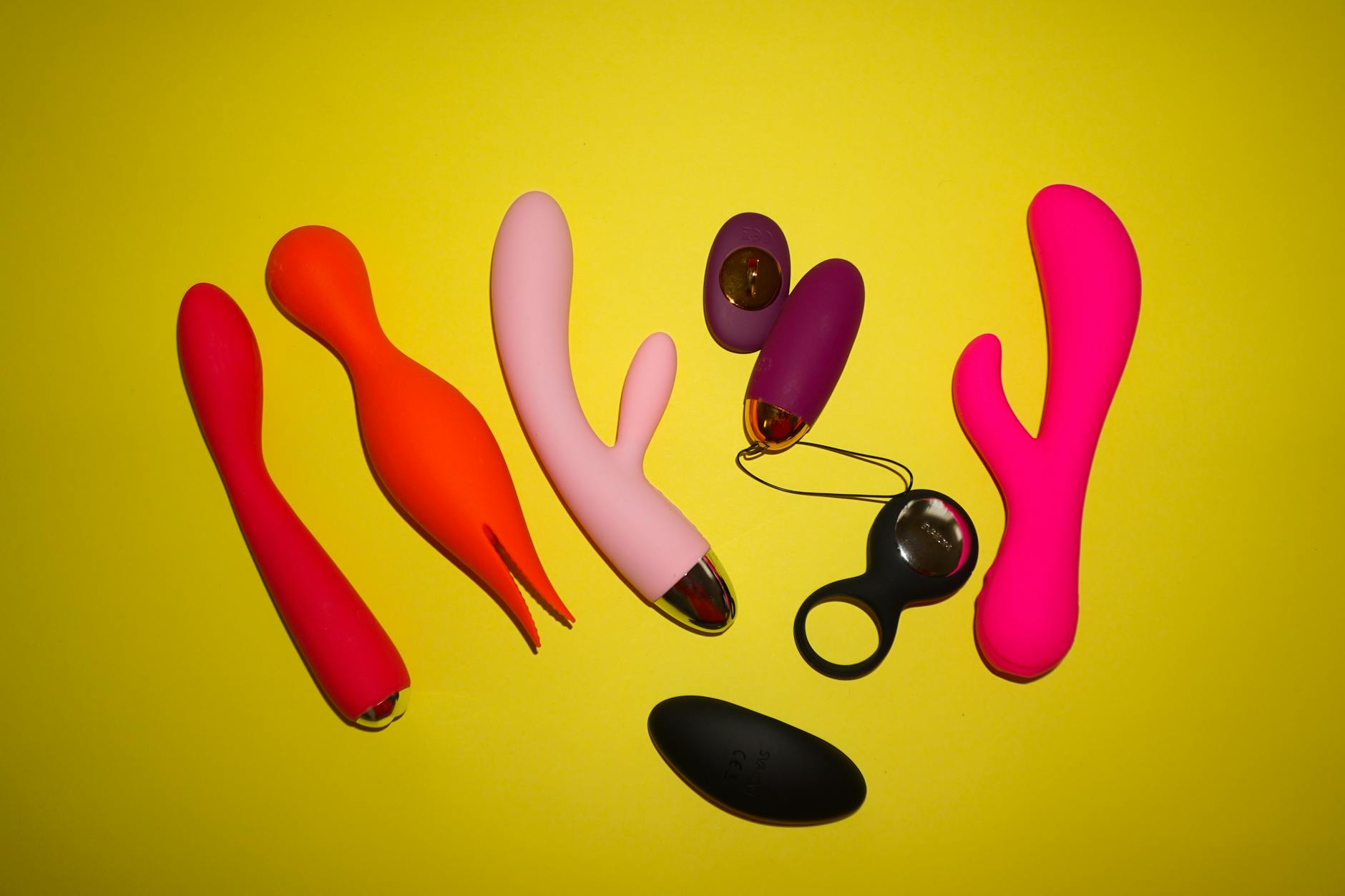
Most vibrators work by shaking. They oscillate against your tissue at high speed, which creates friction, heat, and intense direct pressure. For plenty of people, that's exactly right. For others—people with thin or reactive tissue, those dealing with nerve sensitivity, or anyone recovering from medical procedures—friction can range from uncomfortable to painful.
Lemon vibrators and other suction-based clitoral toys work differently. They use air-pulse technology to create a gentle seal and rhythmic suction pattern. No friction. Just waves of pressure that stimulate the thousands of nerve endings in your clitoris without rubbing against the surface. It's a fundamentally different mechanism, and for sensitive tissue, it often feels like the difference between night and day.
The tissue reality
Your clitoris is not uniform. The external glans (the visible part) is packed with nerve endings but covered in relatively thin, delicate mucous membrane. Unlike the tougher skin on your vulva, clitoral tissue is designed for responsiveness, not friction resistance. When that tissue is already sensitized—from hormonal shifts, skin conditions, recent childbirth, pelvic floor tension, or just individual variation—direct vibration can feel like static on a sunburn.
This is where the design of lemon vibrators matters. The suction chamber creates a microclimate of gentle pressure that distributes stimulation across a wider area instead of concentrating it at one point. You're not grinding a vibrating head against sensitive skin. You're creating rhythmic waves that engage the clitoral structure without the shearing force.
How suction actually stimulates
Here's the biomechanics. When a lemon sucker creates gentle suction, it pulls the delicate clitoral tissue up slightly into the chamber. The rhythmic pulses then create pressure waves that move through that tissue. Those waves reach the clitoral bulbs and erectile tissue deeper inside the vulva, which you can't see from the outside but which are absolutely critical to pleasure and orgasm.
Traditional vibrators, by contrast, rely on you pressing them firmly against your body and letting surface vibration do the work. This works beautifully for many people. For those with sensitive tissue, it requires more pressure, which often means more discomfort, which then means holding back, which tanks the whole experience.
With a suction-based approach like a lemon vibrator, you can get deep, satisfying stimulation with minimal surface contact. The gentle seal means you're not fighting friction. Your nervous system isn't bracing against roughness. You can actually relax into it.
Who benefits most
I see certain patterns in my clients. People recovering from childbirth often find that traditional vibrators feel too intense too quickly. The tissue is still tender, the nerve endings are firing constantly, and the last thing they want is more pressure. A gentle lemon clitoral vibrator lets them explore pleasure again without triggering pain or that itchy, raw sensation.
People managing pelvic floor tension similarly benefit. If your pelvic floor is already holding tightness—from stress, from protective patterns after trauma, from just chronic tension—adding a vibrator that requires you to press harder or grip tighter makes everything worse. The best tools for this population are ones that work with a light touch and reward relaxation rather than effort.
Postmenopausal people often have thinner clitoral tissue due to estrogen shifts. The architecture is the same, but the tissue is less plump, less forgiving. A lemon vibrator's gentle suction approach respects that change without requiring additional lubrication on top of extra pressure. As I explore in our guide on why lemon vibrators feel different during hormonal shifts, this is one of the most common reasons people switch to suction-based toys.
People with vulvodynia, lichen sclerosus, or other vulvar conditions that cause sensitivity or pain often find that anything involving friction triggers flares. Suction creates a completely different sensation profile. It's not friction-based, so it doesn't activate the same protective nervous system response.
The sensation science
Your clitoris has two main types of sensory nerve endings: pressure receptors and vibration receptors. Traditional vibrators primarily stimulate vibration receptors through rapid oscillation. Suction toys activate both pressure and vibration receptors through a different mechanism. You're getting a more complex, textured sensation.
Many people describe suction toys as feeling more "alive" or "responsive" than traditional vibrators. This is partly because you're engaging more sensory channels. It's also because suction engages deeper erectile tissue in a way surface vibration alone can't replicate. You're not just stimulating the exposed clitoral glans. You're creating movement in the entire clitoral structure.
For people with sensitive tissue, this matters enormously. Because the stimulation is more distributed and less reliant on surface friction, you can reach climax with less strain on delicate skin. Your nervous system gets to explore pleasure without the constant background of "this is uncomfortable" that can make reaching orgasm nearly impossible.
Building sensitivity, not wearing it down
One counterintuitive benefit of suction-based lemon vibrators is that they actually help rebuild sensation over time. When you're always reaching for the highest intensity setting on a friction-based toy to override discomfort, you're essentially training your nervous system to numb out. You're teaching your body to demand more and more to feel the same amount.
With gentler stimulation that doesn't trigger pain or protective tension, your nervous system can actually relax and become more responsive. Many of my clients report that after a few weeks of using a suction toy, they develop more nuanced sensation. Settings they started on feel different now. They're noticing subtler patterns. Their baseline sensitivity is actually improving.
This is the opposite of the numbing-out cycle that happens with aggressive vibration. You're not wearing down nerve endings through friction. You're creating space for your tissue to feel more, not less.
Temperature and texture matter too
Because lemon vibrators don't involve sustained friction, they also don't generate the same heat buildup. This sounds minor but it's meaningful for sensitive tissue. Heat intensifies sensation, which can become overwhelming. A cooler touch feels calmer, less inflammatory.
The material also matters. Quality silicone creates a gentler surface interaction than some other materials. When your tissue is already reactive, the difference between medical-grade silicone and cheaper materials can be the difference between pleasure and pain.
Starting if you're sensitive
If you're exploring lemon vibrators for the first time and you have sensitive tissue, start low. Really low. The lowest setting exists for a reason. Spend 10-15 minutes at pattern one or two before you even think about moving higher. Let your body figure out what the sensation actually is before you amplify it.
Use water-based lube, even though suction toys don't require as much as friction-based toys. Lube reduces any drag and makes the seal smoother. It also signals to your nervous system that this is a supported, intentional experience.
Stop if something hurts. I mean stop immediately, not "push through it." Pain and pleasure can feel adjacent, but with sensitive tissue, actual pain usually means something isn't right. A different pattern, a lower setting, or just a different day often fixes it. But forcing it doesn't.
The bigger picture
Choosing a lemon vibrator when you have sensitive tissue isn't about settling. It's about matching your tool to your actual body, not the body you think you should have. If you've spent years assuming you're just not a vibrator person because every toy you've tried was uncomfortable, a suction-based approach might completely change that equation.
Your sensitivity is not a limitation. It's information. And the right tool respects that information instead of working against it.
People also ask
Are lemon vibrators less powerful than traditional vibrators?
No. Power isn't just about raw vibration intensity. A lemon clitoral vibrator creates pressure waves that reach deep erectile tissue in ways that surface vibration alone can't. Many people find suction-based toys more powerful because they're engaging more of your clitoral anatomy. The sensation is different, not weaker.
Can I use a lemon vibrator if I don't have sensitive tissue?
Absolutely. Plenty of people use lemon vibrators as their primary toy regardless of tissue sensitivity. They like the sensation profile, the orgasm quality, or just the variety. Suction toys aren't only for people with pain or sensitivity. They're for anyone who wants to explore a different kind of stimulation.
Do lemon vibrators require more or less lubrication?
Less. Because there's no friction, you don't need the amount of lube you'd use with a friction-based vibrator. That said, a small amount of water-based lube makes the seal smoother and the experience more comfortable. It's optional but recommended, especially when you're starting out.
How long does it take to adjust to a lemon vibrator if I'm used to traditional ones?
Most people adjust within a few sessions. The first time or two might feel unfamiliar. By the third or fourth time, your body understands what's happening and can relax into it. If you're sensitive to begin with, this adjustment period often feels easier because you're not fighting discomfort.
Can hormonal shifts make traditional vibrators feel worse?
Yes. As described in our article on lemon vibrators during hormonal shifts, estrogen changes affect tissue thickness and resilience. The same vibrator that felt fine for years can suddenly feel too intense. This is one of the main reasons people switch to suction toys mid-life. You're not changing because something's wrong with you. Your tissue changed, and your tool should change with it.
Is there any risk to using suction toys if I have sensitive tissue?
As with any toy, the risk is minimal when you start low, use lubrication, and stop if something doesn't feel right. Because suction toys are gentler on the surface, they're actually lower-risk for people with conditions like vulvodynia or post-surgical sensitivity. Your main job is listening to your body and respecting what it tells you.
What comes next
If you're considering making the switch to a lemon vibrator or exploring suction-based toys for the first time, start with clear eyes. You're not settling for a gentler option because you're broken. You're choosing a tool that respects your actual tissue rather than forcing your body to adapt to a tool designed for someone else. That's empowerment.
Your pleasure matters. Your comfort matters. And the right toy—one that works with your body instead of against it—changes everything. Reach out if you want to talk through which lemon clitoral vibrator might be right for you. We're here to help.